Writer · 1564 – 1616
William Shakespeare
If you're interested in William Shakespeare, these historical figures share a similar impact, discipline, philosophy, or era. Each recommendation explains why the connection exists.
Similar Impact & Significance

Elizabeth I
89Elizabeth I was Queen of England from 1558 to 1603, whose long and stable reign — the Elizabethan era — saw a golden age of culture, the defeat of the Spanish Armada, and England's rise as a sea power.
Why Shakespeare's career flourished during the Elizabethan golden age over which she presided.

Johannes Gutenberg
93Johannes Gutenberg was a German inventor and printer who introduced movable-type printing to Europe around 1440, an innovation that transformed the spread of knowledge and helped launch the modern world.
Why Whose printing press allowed Shakespeare's works to be published and to endure.
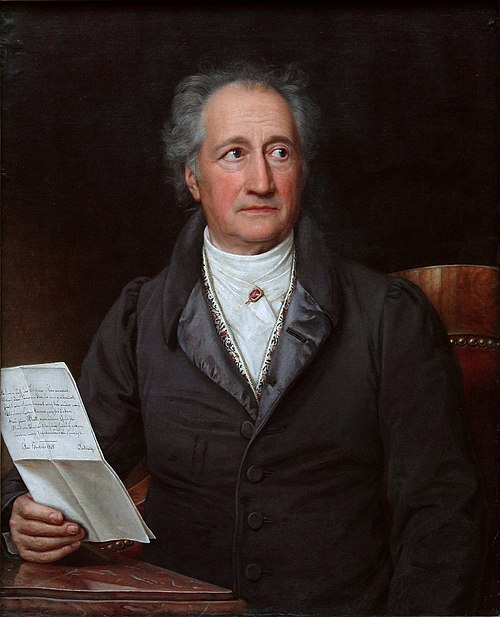
Johann Wolfgang von Goethe
92Johann Wolfgang von Goethe was a German writer, poet, and statesman, widely regarded as the greatest figure in German literature and one of the towering minds of European culture.
Why Also a writer & poet · Comparable historical impact

Dante Alighieri
93Dante Alighieri was an Italian poet of the late Middle Ages whose masterpiece, the Divine Comedy, is considered one of the greatest works of world literature and helped establish the Italian language.
Why Also a poet & writer · Comparable historical impact

Homer
95Homer was the legendary ancient Greek poet to whom the great epics the Iliad and the Odyssey are attributed, foundational works of Western literature.
Why Also a poet & writer · Comparable historical impact
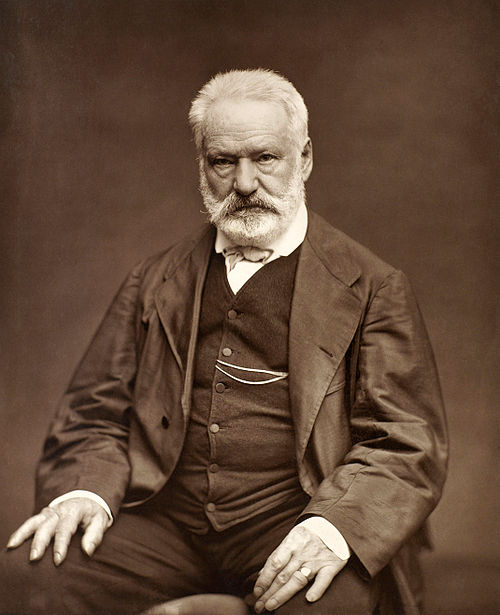
Victor Marie Hugo
89Victor Hugo was a French novelist, poet, and dramatist, the towering figure of French Romanticism, whose novels Les Misérables and The Hunchback of Notre-Dame are monuments of world literature.
Why Also a poet & writer · Comparable historical impact

Friedrich Nietzsche
92Friedrich Nietzsche was a German philosopher whose radical critiques of morality, religion, and truth—including the proclamation that "God is dead" and the ideal of the Übermensch—made him one of the most influential and provocative thinkers of the modern era.
Why Also a writer & poet · Comparable historical impact

Virgil
86Virgil was a Roman poet of the Augustan age whose epic the Aeneid became the national poem of Rome and one of the most influential works in all of Western literature.
Why Also a poet & writer · Comparable historical impact
Same Field or Discipline

Miguel de Cervantes
91Miguel de Cervantes was a Spanish writer whose novel Don Quixote is widely regarded as the first modern novel and one of the greatest works in world literature.
Why Also a writer & playwright · Active in the same era

Oscar Wilde
81Oscar Wilde was an Irish writer and wit, one of the most celebrated playwrights of late-Victorian London, whose sparkling comedies, the novel The Picture of Dorian Gray, and famous epigrams made him a legend — before a scandalous trial destroyed his career.
Why Also a playwright & writer

William Butler Yeats
80William Butler Yeats was an Irish poet and dramatist, one of the greatest poets of the 20th century and a driving force of the Irish Literary Revival, who won the Nobel Prize in Literature and helped found Ireland's national theatre.
Why Also a poet & playwright

Geoffrey Chaucer
81Geoffrey Chaucer was an English poet and civil servant of the 14th century, called the "Father of English literature", whose Canterbury Tales established English as a language worthy of great poetry.
Why Also a poet & writer · From the same civilization

John Milton
83John Milton was an English poet and political writer of the 17th century whose epic Paradise Lost is considered the greatest long poem in the English language and one of the supreme achievements of world literature.
Why Also a poet & writer · From the same civilization
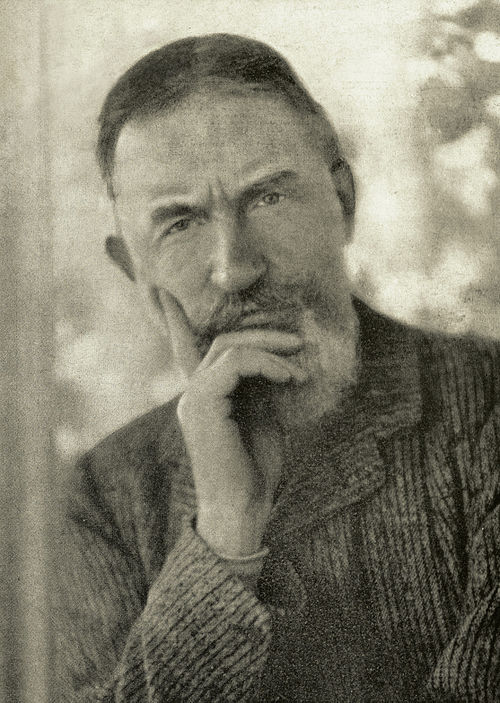
George Bernard Shaw
80George Bernard Shaw was an Irish playwright, critic and polemicist, the leading dramatist of his age after Shakespeare, whose witty, idea-driven plays such as Pygmalion won him the Nobel Prize in Literature and, uniquely, an Academy Award.
Why Also a playwright & writer

Henrik Ibsen
81Henrik Ibsen was a Norwegian playwright, often called the "father of modern drama" and second only to Shakespeare in influence on the theatre, whose realistic plays like A Doll's House confronted the moral and social questions of his age.
Why Also a playwright & writer
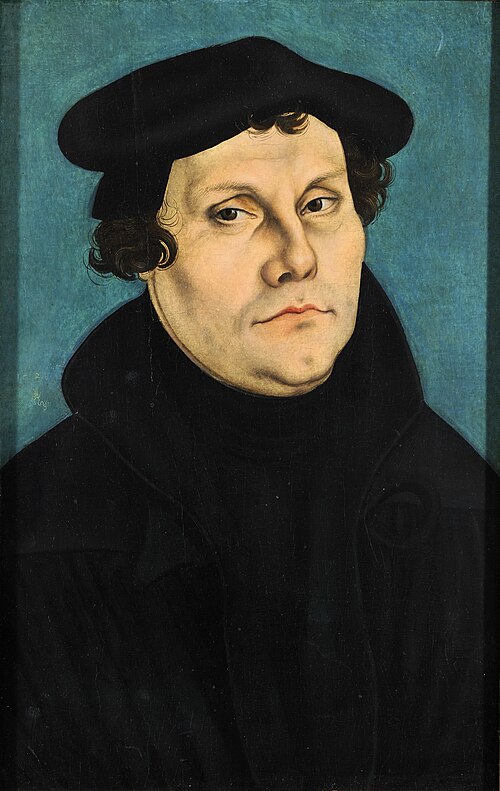
Martin Luther
91Martin Luther was a German theologian and reformer whose challenge to the Catholic Church sparked the Protestant Reformation and reshaped the religious, political and cultural landscape of Europe.
Why Also a writer · Active in the same era

Niccolò Machiavelli
88Niccolò Machiavelli was a Renaissance Italian diplomat, political philosopher and writer whose treatise The Prince founded modern political science and gave his name to ruthless statecraft.
Why Also a writer · Active in the same era

Agatha Christie
81Agatha Christie was an English writer, the best-selling novelist of all time, whose ingenious detective stories featuring Hercule Poirot and Miss Marple made her the undisputed "Queen of Crime".
Why Also a writer & playwright

Alexander Pushkin
81Alexander Pushkin was a Russian poet, playwright and novelist, regarded as the founder of modern Russian literature, whose verse novel Eugene Onegin and other works shaped the language and the writers who followed him.
Why Also a poet & playwright

Alexandre Dumas
81Alexandre Dumas was a French writer whose swashbuckling historical novels — The Three Musketeers and The Count of Monte Cristo — became some of the most popular and widely adapted stories in the world.
Why Also a writer & playwright

Anton Chekhov
81Anton Chekhov was a Russian playwright and short-story writer — and a practising physician — widely regarded as among the greatest masters of both the short story and modern drama, whose plays like The Cherry Orchard transformed the theatre.
Why Also a playwright & writer

Edgar Allan Poe
81Edgar Allan Poe was an American writer and poet, a master of the macabre, who invented the detective story, helped shape the modern short story and science fiction, and gave the world haunting tales and poems such as "The Raven".
Why Also a writer & poet

Herman Melville
80Herman Melville was an American novelist and poet whose Moby-Dick, neglected in his lifetime, is now regarded as one of the greatest novels ever written and a towering achievement of American literature.
Why Also a writer & poet

James Joyce
82James Joyce was an Irish novelist whose experimental masterpiece Ulysses is widely regarded as the greatest novel of the 20th century, and whose innovations in language and stream of consciousness transformed modern literature.
Why Also a writer & poet