Playwright · 1828 – 1906
Henrik Ibsen
Key Takeaways
- Ibsen is called the 'father of modern drama'.
- His play A Doll's House challenged the role of women in marriage and society.
- He brought serious social and moral questions onto the realistic stage.
- He is often ranked second only to Shakespeare among dramatists.
Henrik Ibsen dragged the theatre out of romance and melodrama and into the living room, where real people wrestled with real moral questions. For that, the Norwegian playwright is often called the father of modern drama.
Drama of conscience
Ibsen’s plays put ordinary middle-class life under a harsh light. A Doll’s House ends with a wife, Nora, walking out on her husband and children to find herself — a door-slam said to “echo across Europe.” Hedda Gabler, An Enemy of the People and Ghosts confronted hypocrisy, duty and the cost of truth with unflinching realism.
Shakespeare’s only rival
Critics often rank Ibsen second only to William Shakespeare among dramatists. Championed by writers like George Bernard Shaw and working alongside Anton Chekhov, this playwright of the modern era set the course of all the theatre that came after.
Influence
Ibsen made the theatre a place to confront the hard truths of marriage, hypocrisy and individual conscience, founding the modern realistic drama.
Legacy
His plays are among the most performed in the world, and 'Ibsenite' drama set the course of 20th-century theatre.
Major Works
- A Doll's House
- Hedda Gabler
- An Enemy of the People
Connections
Frequently Asked Questions
Who was Henrik Ibsen?
Henrik Ibsen (1828–1906) was a Norwegian playwright called the 'father of modern drama', author of A Doll's House and Hedda Gabler.
What is A Doll's House about?
A Doll's House portrays Nora, a wife who comes to see how her marriage and society confine her, and who ultimately leaves to seek her own identity — a landmark of modern theatre.
Citations & Sources
People Like Henrik

Anton Chekhov
81Anton Chekhov was a Russian playwright and short-story writer — and a practising physician — widely regarded as among the greatest masters of both the short story and modern drama, whose plays like The Cherry Orchard transformed the theatre.
Why A contemporary playwright who, with Ibsen, founded modern drama.
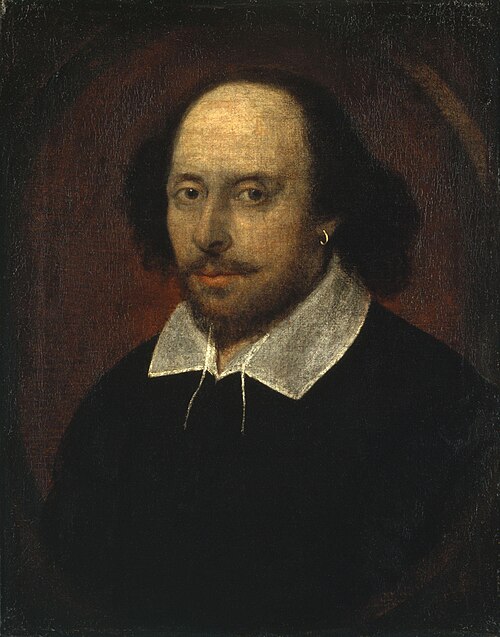
William Shakespeare
96William Shakespeare was an English playwright and poet widely regarded as the greatest writer in the English language and the world's preeminent dramatist.
Why The dramatist to whom Ibsen is most often compared in influence.
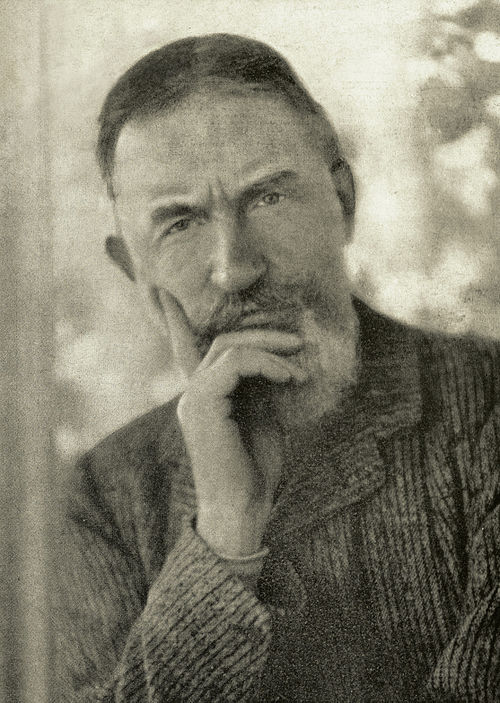
George Bernard Shaw
80George Bernard Shaw was an Irish playwright, critic and polemicist, the leading dramatist of his age after Shakespeare, whose witty, idea-driven plays such as Pygmalion won him the Nobel Prize in Literature and, uniquely, an Academy Award.
Why A playwright and critic who championed Ibsen's work to the English-speaking world.

Oscar Wilde
81Oscar Wilde was an Irish writer and wit, one of the most celebrated playwrights of late-Victorian London, whose sparkling comedies, the novel The Picture of Dorian Gray, and famous epigrams made him a legend — before a scandalous trial destroyed his career.
Why Also a playwright & writer · Active in the same era

Agatha Christie
81Agatha Christie was an English writer, the best-selling novelist of all time, whose ingenious detective stories featuring Hercule Poirot and Miss Marple made her the undisputed "Queen of Crime".
Why Also a writer & playwright · Active in the same era

Alexandre Dumas
81Alexandre Dumas was a French writer whose swashbuckling historical novels — The Three Musketeers and The Count of Monte Cristo — became some of the most popular and widely adapted stories in the world.
Why Also a writer & playwright · Active in the same era