Writer · 1811 – 1896
Harriet Beecher Stowe
If you're interested in Harriet Beecher Stowe, these historical figures share a similar impact, discipline, philosophy, or era. Each recommendation explains why the connection exists.
Similar Impact & Significance

Abraham Lincoln
92Abraham Lincoln was the 16th President of the United States, who led the nation through its Civil War, preserved the Union, and abolished slavery before his assassination in 1865.
Why The president who reportedly greeted her as the woman who started the Civil War — her novel shaped the moral climate that made emancipation politically possible.

Frederick Douglass
84Frederick Douglass was an American abolitionist, orator and writer who escaped slavery to become the most powerful voice of the antislavery movement and one of the foremost advocates for equality and human rights in the 19th century.
Why The abolitionist whose firsthand testimonies of slavery informed her depiction — both were moral voices who made the reality of slavery impossible for Northerners to ignore.

Harriet Tubman
83Harriet Tubman was an American abolitionist who escaped slavery and then risked her life repeatedly to lead dozens of enslaved people to freedom via the Underground Railroad, becoming one of the great heroes of the fight against slavery.
Why A contemporary abolitionist whose courage in personally freeing enslaved people complemented Stowe's literary warfare against the institution.
Same Field or Discipline

Amelia Earhart
84Amelia Earhart was the American aviator who became the first woman to fly solo across the Atlantic in 1932, setting multiple speed and altitude records, and who disappeared over the Pacific in 1937 while attempting to become the first woman to circumnavigate the globe.
Why Also a writer & activist · Active in the same era
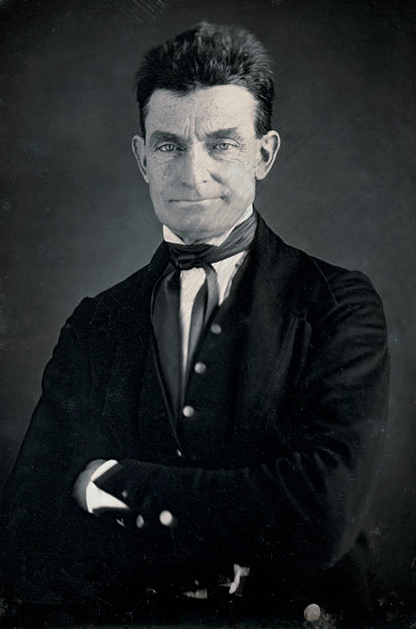
John Brown
81John Brown was the American abolitionist who believed that slavery could only be ended by armed violence, led the raid on the federal arsenal at Harpers Ferry in 1859, was hanged for treason, and became the most polarizing and prophetic figure of the American antislavery movement.
Why Also a abolitionist & activist · Active in the same era

Maya Angelou
80Maya Angelou was an American writer, poet and civil rights activist whose autobiography I Know Why the Caged Bird Sings became a landmark of American literature, giving powerful voice to Black womanhood, trauma and resilience.
Why Also a writer & activist · Active in the same era

Eleanor Roosevelt
88Eleanor Roosevelt was the longest-serving First Lady of the United States, a human rights champion who chaired the UN commission that drafted the Universal Declaration of Human Rights, and redefined the role of first lady as an independent political force.
Why Also a writer · Active in the same era

Sojourner Truth
85Sojourner Truth was the American abolitionist and women's rights activist who escaped slavery and became one of the most powerful orators of the 19th century, famous for her "Ain't I a Woman?" speech challenging the intersection of race and gender oppression.
Why Also a abolitionist · Active in the same era

Susan B. Anthony
88Susan B. Anthony was the American civil rights leader who devoted her life to women's suffrage and abolition, co-founded the National Woman Suffrage Association, was arrested for illegally voting in 1872, and became the face of the movement that won women the vote fourteen years after her death.
Why Also a abolitionist · Active in the same era

Alexander Hamilton
87Alexander Hamilton was the American Founding Father who designed the United States financial system, co-wrote the Federalist Papers, founded the first national bank, served as the first Secretary of the Treasury, and was killed in a duel by Vice President Aaron Burr in 1804.
Why Also a writer · Active in the same era

Edgar Allan Poe
81Edgar Allan Poe was an American writer and poet, a master of the macabre, who invented the detective story, helped shape the modern short story and science fiction, and gave the world haunting tales and poems such as "The Raven".
Why Also a writer · Active in the same era

Emily Dickinson
80Emily Dickinson was an American poet who lived in near-seclusion and published almost nothing in her lifetime, yet whose nearly 1,800 original, compressed poems made her, after her death, one of the most important poets in the English language.
Why Also a writer · Active in the same era

Ernest Hemingway
82Ernest Hemingway was an American novelist and short-story writer whose spare, understated prose style revolutionized 20th-century fiction, winning the Nobel Prize in Literature for works such as The Old Man and the Sea.
Why Also a writer · Active in the same era

F. Scott Fitzgerald
80F. Scott Fitzgerald was an American novelist and short-story writer, the great chronicler of the Jazz Age, whose novel The Great Gatsby is often called the quintessential American novel.
Why Also a writer · Active in the same era

Helen Keller
80Helen Keller was an American author, disability rights advocate and activist who, though deaf and blind from infancy, learned to communicate, graduated from college, and wrote books that inspired the world and advanced the cause of people with disabilities.
Why Also a activist · Active in the same era

Henry David Thoreau
80Henry David Thoreau was an American writer, naturalist and philosopher whose book Walden and essay "Civil Disobedience" became foundational texts of environmental thought and nonviolent resistance, influencing reformers around the world.
Why Also a writer · Active in the same era

Herman Melville
80Herman Melville was an American novelist and poet whose Moby-Dick, neglected in his lifetime, is now regarded as one of the greatest novels ever written and a towering achievement of American literature.
Why Also a writer · Active in the same era

Marcus Mosiah Garvey Jr.
84Marcus Garvey was the Jamaican political activist who founded the largest mass movement in Black history — the Universal Negro Improvement Association — championed Pan-Africanism, and inspired generations of Black leaders from Malcolm X to Nelson Mandela with his vision of African dignity and self-determination.
Why Also a activist · Active in the same era
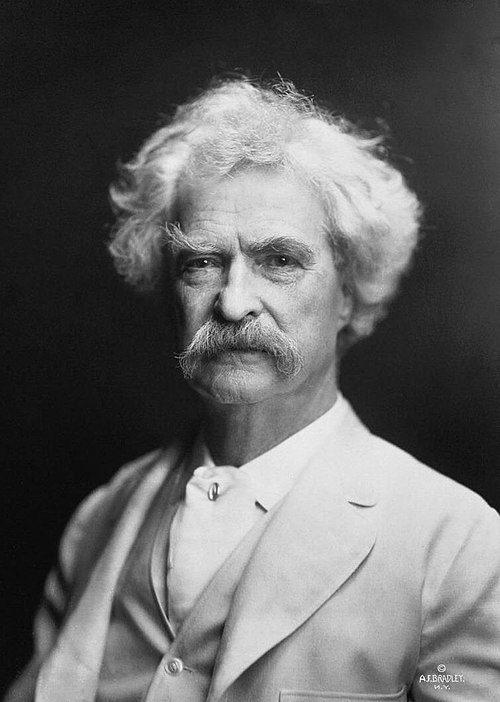
Mark Twain
84Mark Twain was an American writer and humorist, called the "father of American literature", whose novels The Adventures of Tom Sawyer and Adventures of Huckleberry Finn captured the voice of America and remain classics of world literature.
Why Also a writer · Active in the same era

Nathaniel Hawthorne
78Nathaniel Hawthorne was an American novelist and short-story writer whose dark, morally probing fiction — above all The Scarlet Letter — explored sin, guilt and hypocrisy in Puritan New England and helped found the American novel.
Why Also a writer · Active in the same era

Toni Morrison
81Toni Morrison was an American novelist whose richly poetic explorations of Black American life — above all Beloved — won her the Pulitzer Prize and made her the first African American woman to receive the Nobel Prize in Literature.
Why Also a writer · Active in the same era

William Faulkner
80William Faulkner was an American novelist whose dense, experimental novels set in the fictional Yoknapatawpha County of the Deep South — including The Sound and the Fury — won him the Nobel Prize in Literature and made him one of the most influential writers of the 20th century.
Why Also a writer · Active in the same era

Carl Sagan
82Carl Sagan was an American astronomer and planetary scientist who became the world's most famous communicator of science, reaching millions through the television series Cosmos and best-selling books that made him a celebrated author as well as a researcher.
Why Also a writer · Active in the same era

Rosa Parks
82Rosa Parks was an American civil rights activist whose refusal to give up her bus seat to a white passenger in 1955 sparked the Montgomery Bus Boycott, a pivotal moment in the struggle against racial segregation.
Why Also a activist · Active in the same era