Suffragist · 1820 – 1906
Susan B. Anthony
Key Takeaways
- Anthony dedicated fifty years to winning American women the right to vote.
- She was arrested and tried for illegally voting in the 1872 presidential election.
- She co-founded the National Woman Suffrage Association with Elizabeth Cady Stanton.
- Women won the vote (19th Amendment) in 1920, fourteen years after her death.
Susan B. Anthony spent fifty years fighting for a right she never lived to exercise. When she voted in the 1872 presidential election — illegally, in deliberate protest — she was arrested, tried, and fined. She refused to pay. When she died in 1906, women still could not vote. Fourteen years later, they could — and the amendment that gave them the vote bore her name.
The making of a reformer
Anthony grew up in a Quaker household where social reform was the family business. She joined the abolitionist movement, then the temperance movement, before focusing her extraordinary energy on women’s rights. At the 1848 Seneca Falls Convention the cause found its manifesto; Anthony became its greatest organizer and orator, crisscrossing the country by train and stagecoach, speaking hundreds of times a year, building the movement’s infrastructure.
Fifty years of failure that wasn’t
She co-founded the National Woman Suffrage Association in 1869 with Elizabeth Cady Stanton, drafted the constitutional amendment that would bear her name, and ran the campaign with relentless professionalism. Her allies included Frederick Douglass and Sojourner Truth. Her colleagues sometimes frustrated her — notably in battles over whether Black men should get the vote before women. She died in 1906 saying “failure is impossible.” She was right. The Nineteenth Amendment passed in 1920.
Co-founded the National Woman Suffrage Association, organized, lectured, and campaigned for women's suffrage for fifty years, was tried for illegal voting in 1872, and became the defining symbol of the American women's rights movement.
Political Achievements
- Co-founded the National Woman Suffrage Association (1869) with Elizabeth Cady Stanton.
- Organized the Seneca Falls Convention follow-up work and campaigns across the country.
- Drafted the Nineteenth Amendment (the 'Susan B. Anthony Amendment') that gave women the vote.
Historical influence score: 88/100
Influence
Anthony transformed the women's suffrage movement from a fringe cause into a mainstream political effort, setting the path for the Nineteenth Amendment that gave American women the vote in 1920.
Legacy
Her face on the dollar coin and the Nineteenth Amendment nicknamed for her — she is the enduring symbol of American women's fight for political equality.
Controversies
- Her partnership with Elizabeth Cady Stanton sometimes prioritized white women's suffrage over Black women's rights.
- She opposed the Fifteenth Amendment (voting rights for Black men) that didn't include women.
Little-Known Facts
- She was a Quaker from a family of reformers — her father refused to use cotton products because they were produced by slave labor.
- Her last public speech ended with the words 'failure is impossible' — a rallying cry that became the motto of the suffrage movement.
Myths & Misconceptions
Did Anthony see women win the vote?
No — she died in 1906 at age 86, fourteen years before the Nineteenth Amendment passed in 1920. Her last public speech predicted victory but she did not live to see it.
Connections
Frequently Asked Questions
Who was Susan B. Anthony?
Susan B. Anthony (1820–1906) was the American suffragist who spent fifty years campaigning for women's right to vote, was arrested for illegally voting in 1872, and became the defining symbol of the movement that won the vote in 1920.
Citations & Sources
People Like Susan

Sojourner Truth
85Sojourner Truth was the American abolitionist and women's rights activist who escaped slavery and became one of the most powerful orators of the 19th century, famous for her "Ain't I a Woman?" speech challenging the intersection of race and gender oppression.
Why Her fellow activist and friend who brought the experience of Black women to the suffrage and abolitionist movements.

Frederick Douglass
84Frederick Douglass was an American abolitionist, orator and writer who escaped slavery to become the most powerful voice of the antislavery movement and one of the foremost advocates for equality and human rights in the 19th century.
Why The abolitionist leader who was an early ally of women's rights and whose paths intertwined with Anthony's throughout the movement.

Mary Wollstonecraft
85Mary Wollstonecraft was an English Enlightenment writer and philosopher, a pioneer of feminist thought whose A Vindication of the Rights of Woman argued for the education and equality of women.
Why The earlier pioneer of women's rights whose Vindication of the Rights of Woman laid philosophical foundations Anthony built upon.

Harriet Beecher Stowe
84Harriet Beecher Stowe was the American author whose novel Uncle Tom's Cabin (1852) galvanized the abolitionist movement in the North and became the best-selling novel of the 19th century, helping precipitate the Civil War.
Why Also a abolitionist · Active in the same era

Harriet Tubman
83Harriet Tubman was an American abolitionist who escaped slavery and then risked her life repeatedly to lead dozens of enslaved people to freedom via the Underground Railroad, becoming one of the great heroes of the fight against slavery.
Why Also a abolitionist · Active in the same era
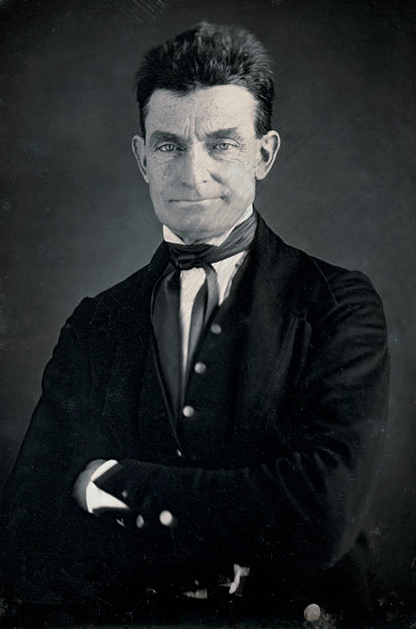
John Brown
81John Brown was the American abolitionist who believed that slavery could only be ended by armed violence, led the raid on the federal arsenal at Harpers Ferry in 1859, was hanged for treason, and became the most polarizing and prophetic figure of the American antislavery movement.
Why Also a abolitionist · Active in the same era