Writer · 1817 – 1862
Henry David Thoreau
Key Takeaways
- Thoreau wrote Walden, about two years living simply in the woods.
- His essay 'Civil Disobedience' defended nonviolent resistance to unjust laws.
- He was a leading Transcendentalist and an early voice for nature and conservation.
- His ideas inspired Gandhi and Martin Luther King Jr.
Henry David Thoreau spent two years in a small cabin by a pond — and produced from it a book and an essay that still echo through environmentalism and political protest the world over.
Walden
In 1845 Thoreau went to live simply by Walden Pond, on land owned by his friend and mentor Ralph Waldo Emerson. The book that resulted, Walden, is a classic meditation on nature, simplicity and self-reliance — a founding text of American nature writing and Transcendentalist thought.
Civil disobedience
Jailed overnight for refusing to pay a tax that funded slavery and war, Thoreau wrote the essay “Civil Disobedience,” arguing that people must peacefully refuse to obey unjust laws. Its influence proved immense: this writer of the modern era directly inspired the nonviolent movements of Mahatma Gandhi and Martin Luther King Jr.
Influence
Thoreau gave the world enduring arguments for living simply, protecting nature, and resisting injustice peacefully, shaping environmentalism and nonviolent protest alike.
Legacy
Walden is a touchstone of nature writing, and 'Civil Disobedience' a manual for peaceful resistance used by movements across the world.
Major Works
- Walden
- Civil Disobedience
Connections
Frequently Asked Questions
Who was Henry David Thoreau?
Henry David Thoreau (1817–1862) was an American writer and naturalist, author of Walden and the essay 'Civil Disobedience'.
What is 'Civil Disobedience' about?
It argues that individuals should peacefully refuse to obey unjust laws, a principle that later inspired Gandhi, Martin Luther King Jr. and movements worldwide.
Citations & Sources
People Like Henry

Ralph Waldo Emerson
80Ralph Waldo Emerson was an American essayist, lecturer and poet who led the Transcendentalist movement and, through works such as "Self-Reliance" and "Nature", shaped American thought and called a new national literature into being.
Why His mentor and friend, the leader of Transcendentalism, on whose land Thoreau built his Walden cabin.

Mahatma Gandhi
93Mahatma Gandhi was the leader of India's independence movement, who pioneered the philosophy and practice of nonviolent civil disobedience and inspired movements for civil rights across the world.
Why Who drew on Thoreau's 'Civil Disobedience' in developing nonviolent resistance.
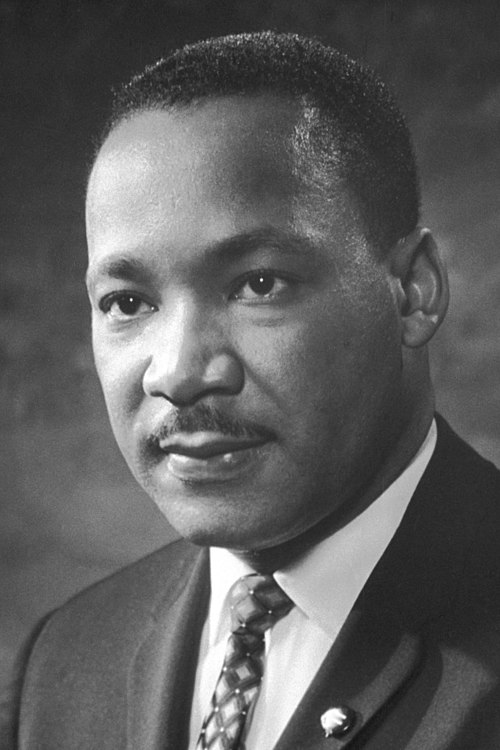
Martin Luther King Jr.
95Martin Luther King Jr. was an American Baptist minister and civil rights leader who championed nonviolent resistance to racial injustice and became the most prominent voice of the movement for equality in the United States.
Why Who cited Thoreau's essay as an inspiration for the civil rights movement.

Aldous Huxley
80Aldous Huxley was an English writer and philosopher whose dystopian novel Brave New World became one of the most influential warnings of the 20th century, imagining a future enslaved not by terror but by pleasure and conditioning.
Why Also a writer & philosopher · Active in the same era

Alexander von Humboldt
81Alexander von Humboldt was a Prussian naturalist and explorer whose pioneering expeditions and best-selling books — including the vast Cosmos — founded modern geography and ecology and made him one of the most famous scientists and authors of his age.
Why Also a naturalist & writer · Active in the same era

Edgar Allan Poe
81Edgar Allan Poe was an American writer and poet, a master of the macabre, who invented the detective story, helped shape the modern short story and science fiction, and gave the world haunting tales and poems such as "The Raven".
Why Also a writer · Active in the same era