Queen · 1819 – 1901
Queen Victoria
If you're interested in Queen Victoria, these historical figures share a similar impact, discipline, philosophy, or era. Each recommendation explains why the connection exists.
Similar Impact & Significance

Kaiser Wilhelm II
82Kaiser Wilhelm II was the last German Emperor and King of Prussia, whose erratic and belligerent foreign policy helped plunge Europe into World War I, ending with his abdication in 1918 and the collapse of the German Empire.
Why Her grandson, whose belligerence she often tried to moderate and who would help destroy the European order she had presided over.

Otto von Bismarck
89Otto von Bismarck was the Prussian statesman who unified the German states into the German Empire in 1871, serving as its first chancellor and reshaping the balance of power in Europe through ruthless realpolitik and diplomatic mastery.
Why The dominant European statesman of her later reign, whose unification of Germany transformed the continent.

Napoleon III
79Napoleon III was the nephew of Napoleon Bonaparte who became the first elected president of France and then its last emperor, modernizing Paris and French industry before his empire collapsed with defeat in the Franco-Prussian War of 1870.
Why The French emperor who was her ally in the Crimean War and a major figure in her early reign.
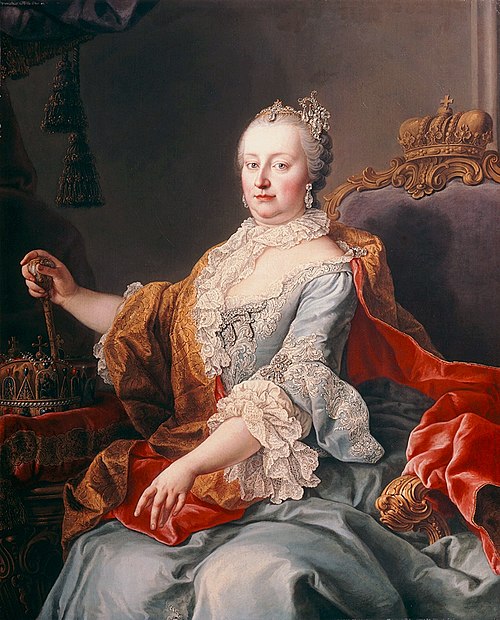
Maria Theresa
81Maria Theresa was the only female ruler of the Habsburg domains, a formidable empress who defended and reformed her vast inheritance against powerful enemies and reshaped Austria into a modern state while raising sixteen children.
Why Also a empress & ruler · Comparable historical impact

Boudicca
80Boudicca was the queen of the Iceni tribe who led a major uprising against Roman rule in Britain around 60–61 CE, sacking Camulodunum, Londinium, and Verulamium before being defeated by the Roman governor Paulinus.
Why Also a queen & ruler · Comparable historical impact

Catherine II of Russia
87Catherine the Great was Empress of Russia for more than three decades, an enlightened despot who expanded the empire, modernized its administration, and made her court a brilliant centre of art and learning.
Why Also a empress & ruler · Comparable historical impact

Cleopatra VII
90Cleopatra VII was the last active ruler of the Ptolemaic Kingdom of Egypt, a shrewd and learned monarch whose alliances with Julius Caesar and Mark Antony placed her at the center of Roman politics.
Why Also a ruler & queen · Comparable historical impact

Eleanor of Aquitaine
86Eleanor of Aquitaine was the most powerful woman of 12th-century Europe — queen of France, then queen of England, mother of Richard the Lionheart and King John, patron of troubadour culture, and crusader — who wielded political power across seven decades.
Why Also a queen & ruler · Comparable historical impact

Elizabeth I
89Elizabeth I was Queen of England from 1558 to 1603, whose long and stable reign — the Elizabethan era — saw a golden age of culture, the defeat of the Spanish Armada, and England's rise as a sea power.
Why Also a queen & ruler · Comparable historical impact

Hatshepsut
83Hatshepsut was one of the few women to rule ancient Egypt as pharaoh in her own right, a peaceful and prosperous reign marked by ambitious building projects and far-reaching trade.
Why Also a ruler & queen · Comparable historical impact

Isabella I of Castile
83Isabella I of Castile was the queen whose marriage to Ferdinand of Aragon united Spain, who completed the Reconquista by conquering Granada, and who sponsored the voyage of Christopher Columbus that opened the Americas to Europe.
Why Also a queen & ruler · Comparable historical impact

Mary Queen of Scots
82Mary Queen of Scots was the queen of Scotland and briefly queen of France whose Catholic faith, claim to the English throne, and tragic fate made her the central figure in the religious and political struggles of 16th-century Britain — executed by her cousin Elizabeth I after nineteen years of imprisonment.
Why Also a queen & ruler · Comparable historical impact

Nefertiti
79Nefertiti was an Egyptian queen, principal wife of the pharaoh Akhenaten, who wielded unusual power during his religious revolution and whose painted limestone bust is one of the most admired images of the ancient world.
Why Also a queen & ruler · Comparable historical impact

Theodora
84Theodora was the Byzantine empress who co-ruled with Justinian I, saved his throne through her courage at the Nika riots, influenced imperial policy on women's rights and religious affairs, and rose from humble origins to become one of antiquity's most powerful women.
Why Also a empress & ruler · Comparable historical impact

Wu Zetian
86Wu Zetian was the only woman in Chinese history to rule as emperor in her own name, founding the Zhou dynasty, governing China at the height of Tang power, and expanding the civil examination system to build a meritocratic bureaucracy.
Why Also a empress & ruler · Comparable historical impact
Same Field or Discipline

Chiang Kai-shek
82Chiang Kai-shek was the Chinese Nationalist leader who unified China in the late 1920s, led the country through the Japanese invasion in World War II, but lost the Chinese Civil War to Mao Zedong and retreated to Taiwan, which he ruled until his death.
Why Also a ruler · Active in the same era
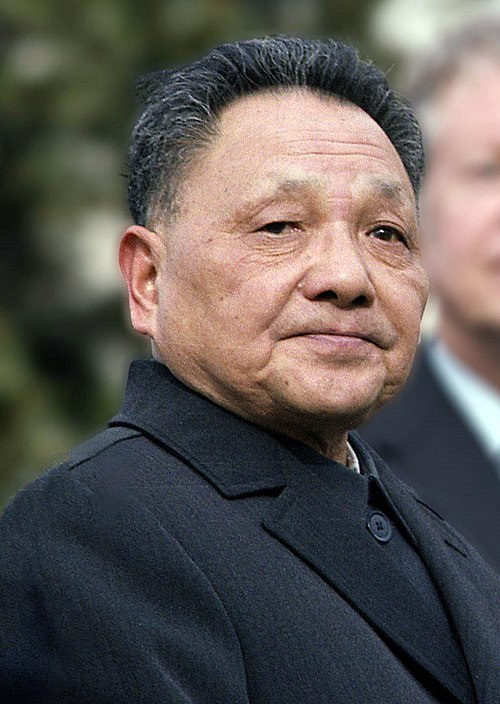
Deng Xiaoping
89Deng Xiaoping was the Chinese leader who reversed Mao Zedong's catastrophic policies after 1978, opening China to market reforms that transformed it from a poor agrarian country into the world's second-largest economy.
Why Also a ruler · Active in the same era
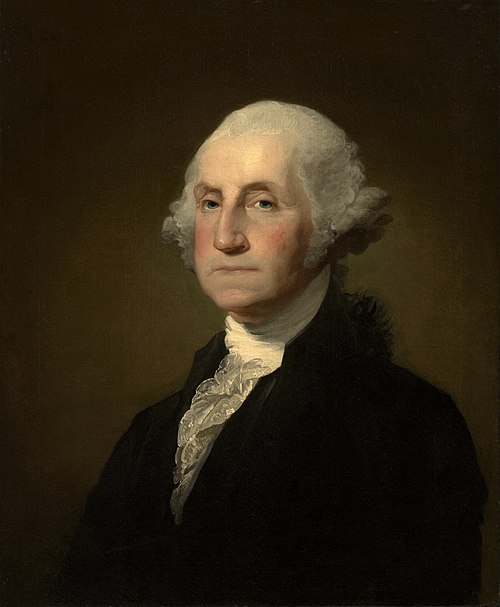
George Washington
91George Washington was the commander of the Continental Army in the American Revolution and the first President of the United States, whose leadership and restraint shaped the new republic.
Why Also a ruler · Active in the same era

Haile Selassie I
85Haile Selassie was the Emperor of Ethiopia who modernized his country, became the symbol of African resistance to European colonialism after surviving Mussolini's invasion, championed African unity at the UN and as founder of the African Union, and is venerated as a messiah by the Rastafari movement.
Why Also a ruler · Active in the same era

Mao Zedong
90Mao Zedong was the founder of the People's Republic of China, who led the Chinese Communist Party to victory in the civil war, proclaimed the PRC in 1949, and then imposed radical revolutionary policies that caused tens of millions of deaths.
Why Also a ruler · Active in the same era

Nicholas II
80Nicholas II was the last Tsar of Russia whose failures of leadership — autocratic rigidity, military catastrophe in World War I, and refusal to reform — led to his abdication in 1917, the Bolshevik seizure of power, and his execution with his family by the Soviets in 1918.
Why Also a ruler · Active in the same era

Shaka Zulu
80Shaka Zulu was the founder and greatest king of the Zulu Kingdom, a military revolutionary whose new tactics and weapons transformed warfare in southern Africa and forged a small clan into a powerful nation.
Why Also a ruler · Active in the same era

Simón Bolívar
88Simón Bolívar was the South American general and statesman who liberated six nations from Spanish colonial rule, earning the title El Libertador and shaping the independence of Venezuela, Colombia, Ecuador, Peru, Panama, and Bolivia.
Why Also a ruler · Active in the same era
