Revolutionary Leader · 1893 – 1976
Mao Zedong
Key Takeaways
- Mao founded the People's Republic of China in 1949, ending the civil war.
- The Long March (1934–35) established him as the Communist Party's undisputed leader.
- His Great Leap Forward caused the deadliest famine in human history (30–55 million dead).
- The Cultural Revolution (1966–76) devastated Chinese society and institutions.
Mao Zedong proclaimed the People’s Republic of China in 1949 from the Gate of Heavenly Peace in Beijing, ending a century of division and humiliation. He was one of the most consequential figures of the 20th century — and one of its greatest mass killers.
The Long March to power
Mao emerged as the undisputed leader of the Chinese Communist Party during the Long March of 1934–35, a 8,000-mile fighting retreat from Nationalist encirclement that became Communist legend. The years of guerrilla war against Japan and then the Nationalists ended with total victory: Chiang Kai-shek fled to Taiwan and Mao declared the PRC in 1949. A fractured, invaded, humiliated China was unified at last.
Catastrophe at the height of power
Mao’s tragedy — and China’s — was that his methods of achieving power were ruinous when applied to governing. The Great Leap Forward (1958–62) collectivized agriculture and forced peasants into steel production, triggering the deadliest famine in human history: 30–55 million dead. The Cultural Revolution (1966–76) unleashed millions of young Red Guards to destroy “old” culture and purge his political rivals, devastating Chinese society and institutions. His ally Stalin had been the model; Mao surpassed him in the scale of the catastrophes he caused.
Influence
Mao created the modern Chinese state, and his policies — for good and ill — shaped the world's most populous country's trajectory for decades.
Legacy
Officially assessed by the Chinese Communist Party as '70% good, 30% bad,' he remains a deeply contested figure — nation-builder and mass murderer on the same historical scale.
Controversies
- The Great Leap Forward (1958–62) caused a famine that killed 30–55 million people.
- The Cultural Revolution (1966–76) persecuted millions and destroyed cultural heritage.
- His personality cult suppressed dissent and institutionalized political terror.
Connections
Frequently Asked Questions
Who was Mao Zedong?
Mao Zedong (1893–1976) was the founder of the People's Republic of China who led the Communist Party to power in 1949, but whose radical policies caused tens of millions of deaths.
What was the Great Leap Forward?
The Great Leap Forward (1958–62) was Mao's campaign to rapidly industrialize and collectivize China, which instead caused a famine killing 30–55 million people — the deadliest in human history.
Citations & Sources
People Like Mao

Joseph Stalin
91Joseph Stalin was the Soviet dictator who industrialized the USSR, led it to victory in World War II, and built a vast empire in Eastern Europe — but also presided over a totalitarian state that killed millions through purges, gulags, and engineered famine.
Why His Soviet ally and model who provided crucial support for the PRC's early years.

Chiang Kai-shek
82Chiang Kai-shek was the Chinese Nationalist leader who unified China in the late 1920s, led the country through the Japanese invasion in World War II, but lost the Chinese Civil War to Mao Zedong and retreated to Taiwan, which he ruled until his death.
Why The Nationalist leader he defeated in the Chinese Civil War, who retreated to Taiwan.
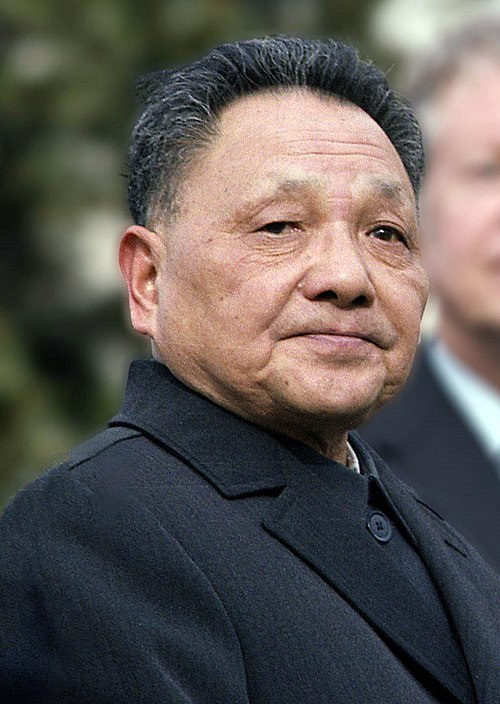
Deng Xiaoping
89Deng Xiaoping was the Chinese leader who reversed Mao Zedong's catastrophic policies after 1978, opening China to market reforms that transformed it from a poor agrarian country into the world's second-largest economy.
Why His eventual successor who reversed many of Mao's policies and opened China to the world.

Ho Chi Minh
88Ho Chi Minh was the Vietnamese revolutionary leader who led the resistance against French colonial rule and then American military intervention, founding the Democratic Republic of Vietnam and becoming the unifying symbol of Vietnamese independence.
Why Also a revolutionary leader & statesman · Active in the same era
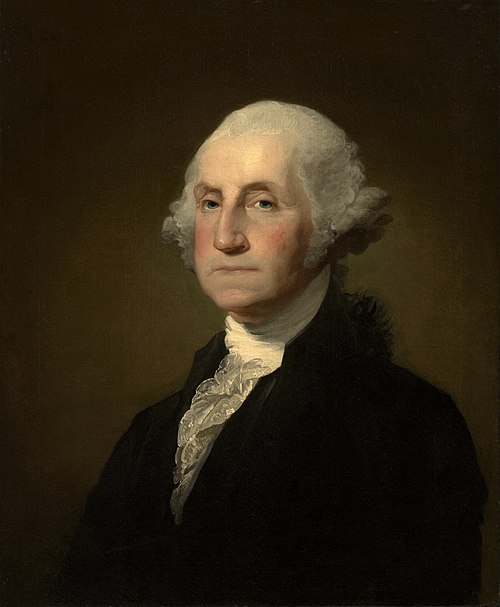
George Washington
91George Washington was the commander of the Continental Army in the American Revolution and the first President of the United States, whose leadership and restraint shaped the new republic.
Why Also a statesman & ruler · Active in the same era

Haile Selassie I
85Haile Selassie was the Emperor of Ethiopia who modernized his country, became the symbol of African resistance to European colonialism after surviving Mussolini's invasion, championed African unity at the UN and as founder of the African Union, and is venerated as a messiah by the Rastafari movement.
Why Also a ruler & statesman · Active in the same era