Emperor · 1859 – 1941
Kaiser Wilhelm II
Key Takeaways
- Wilhelm II was the last Kaiser of Germany, reigning from 1888 to 1918.
- He dismissed Bismarck and dismantled his careful alliance system.
- His aggressive foreign policy contributed to the outbreak of World War I.
- He abdicated in 1918 and spent the rest of his life in exile in the Netherlands.
Kaiser Wilhelm II inherited the most powerful empire in Europe — and helped destroy it. His dismissal of Otto von Bismarck in 1890 removed the statesman who had kept European peace, and his belligerent, erratic foreign policy helped set the continent on the path to the catastrophe of 1914.
The dismissal of genius
Bismarck had warned that dismantling Germany’s alliance system would invite catastrophe. Wilhelm dismissed him anyway, driven by imperial ambition and personal rivalry. He pursued Weltpolitik — a policy of aggressive global expansion — building a navy to challenge Britain, intervening in colonial disputes, and frightening every other European power into alliances against Germany.
The road to catastrophe
When the crisis of 1914 exploded after the assassination in Sarajevo, Wilhelm issued the blank check to Austria-Hungary, promising German backing regardless of consequence. The resulting war swept away the old order. In November 1918, with Germany collapsing, he abdicated and fled to the Netherlands, where he would spend the remaining 23 years of his life in embittered exile, watching the country he had ruined destroy itself again in a second, even worse war.
Dismissed Bismarck and dismantled his alliance system, pursued aggressive German expansion that alarmed Europe, and presided over the outbreak of World War I before abdicating and fleeing into exile.
Military Feats
- Oversaw massive expansion of the German navy to rival Britain.
- Presided over Germany's initial successes in World War I.
Political Achievements
- Dismissed Bismarck and took direct control of German foreign policy.
- Pursued Weltpolitik — a policy of global German imperial expansion.
Historical influence score: 82/100
Influence
Wilhelm II's erratic leadership dismantled Bismarck's careful diplomacy and contributed to the catastrophic outbreak of World War I, ending the age of European monarchies and the German Empire.
Legacy
Remembered as a symbol of imperial hubris and reckless militarism, he personifies the failure of dynastic Europe on the eve of its greatest catastrophe.
Controversies
- His aggressive foreign policy and blank check to Austria-Hungary helped trigger World War I.
- His abdication and exile left Germany in chaos as it faced defeat in 1918.
Little-Known Facts
- He had a withered left arm from a difficult birth, which shaped his aggressive, compensatory personality.
- He was the grandson of Queen Victoria and a first cousin of Tsar Nicholas II and King George V.
Myths & Misconceptions
Did Wilhelm II start World War I?
He was a major contributor — his blank check to Austria-Hungary and failure to restrain the escalation were crucial — but the war resulted from a crisis involving all the great powers, not one ruler alone.
Connections
Frequently Asked Questions
Who was Kaiser Wilhelm II?
Kaiser Wilhelm II (1859–1941) was the last German Emperor, whose aggressive foreign policy helped trigger World War I. He abdicated in 1918 and died in Dutch exile.
Why did Wilhelm II dismiss Bismarck?
Wilhelm wanted personal control of German policy and resented Bismarck's dominance — he dismissed him in 1890 and then dismantled the cautious alliance system that had kept Europe at peace.
Citations & Sources
People Like Kaiser

Otto von Bismarck
89Otto von Bismarck was the Prussian statesman who unified the German states into the German Empire in 1871, serving as its first chancellor and reshaping the balance of power in Europe through ruthless realpolitik and diplomatic mastery.
Why The Iron Chancellor he dismissed in 1890, dismantling the alliance system that had kept European peace.

Napoleon III
79Napoleon III was the nephew of Napoleon Bonaparte who became the first elected president of France and then its last emperor, modernizing Paris and French industry before his empire collapsed with defeat in the Franco-Prussian War of 1870.
Why The French emperor his grandfather defeated at Sedan, creating the German Empire Wilhelm inherited.
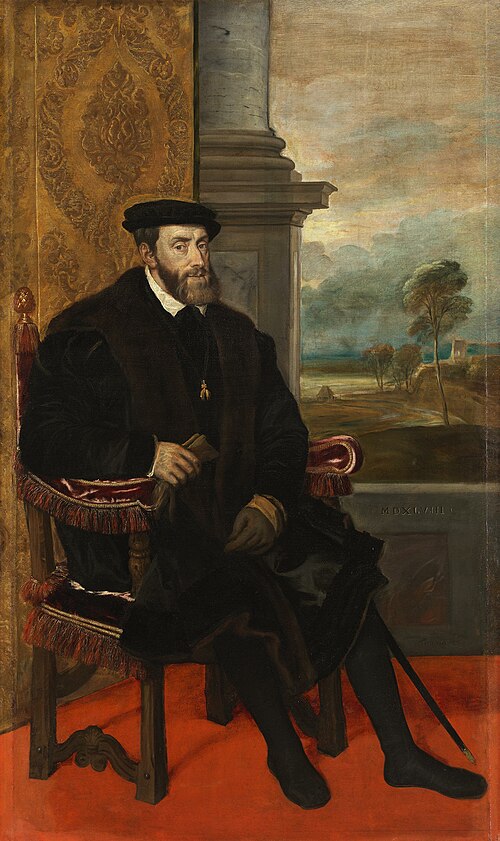
Charles V
83Charles V was the Holy Roman Emperor and king of Spain who ruled the largest European empire since Charlemagne, struggling to hold together a vast realm against the rise of Protestantism, France, and the Ottoman Empire before abdicating his crowns.
Why Also a emperor & king · Comparable historical impact

Charlemagne
89Charlemagne was the King of the Franks who united much of Western Europe and was crowned Emperor in 800 AD, reviving the idea of a Roman empire in the West and sparking a cultural revival.
Why Also a emperor & ruler · Comparable historical impact

Haile Selassie I
85Haile Selassie was the Emperor of Ethiopia who modernized his country, became the symbol of African resistance to European colonialism after surviving Mussolini's invasion, championed African unity at the UN and as founder of the African Union, and is venerated as a messiah by the Rastafari movement.
Why Also a emperor & ruler · Active in the same era

Nicholas II
80Nicholas II was the last Tsar of Russia whose failures of leadership — autocratic rigidity, military catastrophe in World War I, and refusal to reform — led to his abdication in 1917, the Bolshevik seizure of power, and his execution with his family by the Soviets in 1918.
Why Also a emperor & ruler · Active in the same era