Abolitionist · 1800 – 1859
John Brown
If you're interested in John Brown, these historical figures share a similar impact, discipline, philosophy, or era. Each recommendation explains why the connection exists.
Similar Impact & Significance

Frederick Douglass
84Frederick Douglass was an American abolitionist, orator and writer who escaped slavery to become the most powerful voice of the antislavery movement and one of the foremost advocates for equality and human rights in the 19th century.
Why A fellow abolitionist who knew Brown personally — Douglass admired his commitment but opposed the Harpers Ferry raid as suicidal, a split that defined the divide between moral and violent abolitionism.

Harriet Tubman
83Harriet Tubman was an American abolitionist who escaped slavery and then risked her life repeatedly to lead dozens of enslaved people to freedom via the Underground Railroad, becoming one of the great heroes of the fight against slavery.
Why Brown called her 'the most of a man naturally' — she was to have helped lead his planned uprising but illness prevented her participation in the Harpers Ferry raid.

Abraham Lincoln
92Abraham Lincoln was the 16th President of the United States, who led the nation through its Civil War, preserved the Union, and abolished slavery before his assassination in 1865.
Why The president whose election the Harpers Ferry raid helped precipitate — Southern fear of Republican abolitionism escalated by Brown pushed the South toward secession.
Same Field or Discipline

Harriet Beecher Stowe
84Harriet Beecher Stowe was the American author whose novel Uncle Tom's Cabin (1852) galvanized the abolitionist movement in the North and became the best-selling novel of the 19th century, helping precipitate the Civil War.
Why Also a abolitionist & activist · Active in the same era

Geronimo
81Geronimo was the Apache leader whose decade-long guerrilla resistance against the United States and Mexico made him the most feared and pursued Native American fighter of the 19th century, requiring 5,000 US troops to finally capture 38 warriors.
Why Also a military leader · Active in the same era

Sitting Bull
84Sitting Bull was the Hunkpapa Lakota chief and holy man who united the Sioux nations against American expansion, led the coalition that defeated Custer at the Little Bighorn in 1876, and became a symbol of Native American resistance to US conquest.
Why Also a military leader · Active in the same era

Tecumseh
83Tecumseh was the Shawnee leader who built the largest Native American confederacy in history to resist US expansion, allied with the British in the War of 1812, and was killed at the Battle of the Thames — becoming the greatest pan-Indian leader America ever faced.
Why Also a military leader · Active in the same era

Alexander Hamilton
87Alexander Hamilton was the American Founding Father who designed the United States financial system, co-wrote the Federalist Papers, founded the first national bank, served as the first Secretary of the Treasury, and was killed in a duel by Vice President Aaron Burr in 1804.
Why Also a military leader · Active in the same era

Amelia Earhart
84Amelia Earhart was the American aviator who became the first woman to fly solo across the Atlantic in 1932, setting multiple speed and altitude records, and who disappeared over the Pacific in 1937 while attempting to become the first woman to circumnavigate the globe.
Why Also a activist · Active in the same era

Marcus Mosiah Garvey Jr.
84Marcus Garvey was the Jamaican political activist who founded the largest mass movement in Black history — the Universal Negro Improvement Association — championed Pan-Africanism, and inspired generations of Black leaders from Malcolm X to Nelson Mandela with his vision of African dignity and self-determination.
Why Also a activist · Active in the same era

Sojourner Truth
85Sojourner Truth was the American abolitionist and women's rights activist who escaped slavery and became one of the most powerful orators of the 19th century, famous for her "Ain't I a Woman?" speech challenging the intersection of race and gender oppression.
Why Also a abolitionist · Active in the same era

Susan B. Anthony
88Susan B. Anthony was the American civil rights leader who devoted her life to women's suffrage and abolition, co-founded the National Woman Suffrage Association, was arrested for illegally voting in 1872, and became the face of the movement that won women the vote fourteen years after her death.
Why Also a abolitionist · Active in the same era

Che Guevara
83Che Guevara was the Argentine Marxist revolutionary who helped Fidel Castro seize power in Cuba, theorized guerrilla warfare as the path to revolution in the developing world, and became an iconic symbol of rebellion after his execution in Bolivia in 1967.
Why Also a military leader · Active in the same era
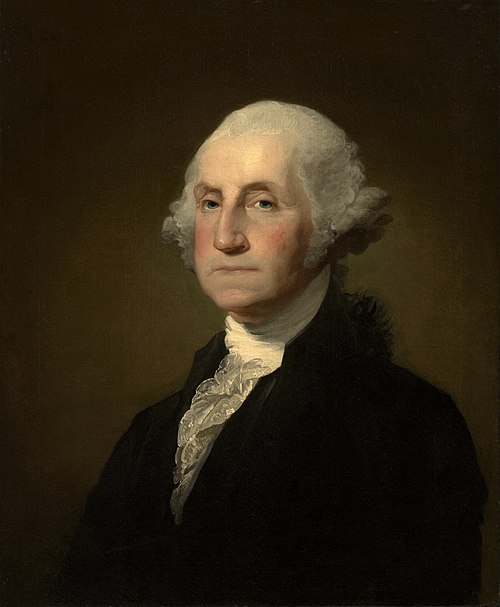
George Washington
91George Washington was the commander of the Continental Army in the American Revolution and the first President of the United States, whose leadership and restraint shaped the new republic.
Why Also a military leader · Active in the same era

Helen Keller
80Helen Keller was an American author, disability rights advocate and activist who, though deaf and blind from infancy, learned to communicate, graduated from college, and wrote books that inspired the world and advanced the cause of people with disabilities.
Why Also a activist · Active in the same era

Maya Angelou
80Maya Angelou was an American writer, poet and civil rights activist whose autobiography I Know Why the Caged Bird Sings became a landmark of American literature, giving powerful voice to Black womanhood, trauma and resilience.
Why Also a activist · Active in the same era

Rosa Parks
82Rosa Parks was an American civil rights activist whose refusal to give up her bus seat to a white passenger in 1955 sparked the Montgomery Bus Boycott, a pivotal moment in the struggle against racial segregation.
Why Also a activist · Active in the same era

Adolf Hitler
90Adolf Hitler was the dictator of Nazi Germany from 1933 to 1945, whose ideology of racial supremacy and aggressive expansionism plunged the world into World War II and caused the Holocaust — the genocide of six million Jews and millions of others.
Why Also a military leader · Active in the same era

Horatio Nelson
86Horatio Nelson was the British naval commander whose victory at the Battle of Trafalgar in 1805 destroyed the French and Spanish combined fleet, secured British naval supremacy for a century, and made him the greatest hero of British military history — killed at the moment of his triumph.
Why Also a military leader · Active in the same era
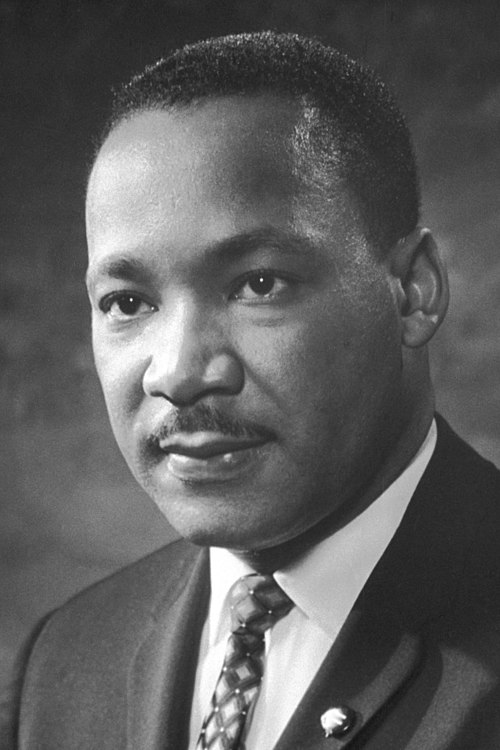
Martin Luther King Jr.
95Martin Luther King Jr. was an American Baptist minister and civil rights leader who championed nonviolent resistance to racial injustice and became the most prominent voice of the movement for equality in the United States.
Why Also a activist · Active in the same era

Shaka Zulu
80Shaka Zulu was the founder and greatest king of the Zulu Kingdom, a military revolutionary whose new tactics and weapons transformed warfare in southern Africa and forged a small clan into a powerful nation.
Why Also a military leader · Active in the same era
Same Era or Civilization

Eleanor Roosevelt
88Eleanor Roosevelt was the longest-serving First Lady of the United States, a human rights champion who chaired the UN commission that drafted the Universal Declaration of Human Rights, and redefined the role of first lady as an independent political force.
Why Active in the same era · From the same civilization

Haile Selassie I
85Haile Selassie was the Emperor of Ethiopia who modernized his country, became the symbol of African resistance to European colonialism after surviving Mussolini's invasion, championed African unity at the UN and as founder of the African Union, and is venerated as a messiah by the Rastafari movement.
Why Active in the same era · From the same civilization

Woodrow Wilson
84Woodrow Wilson was the 28th President of the United States who led the country through World War I, proposed the League of Nations — the first international organization for collective security — and articulated the principle of national self-determination that reshaped the post-war world.
Why Active in the same era · From the same civilization