Revolutionary · 1928 – 1967
Che Guevara
Key Takeaways
- Che Guevara was a central figure in the Cuban Revolution that brought Castro to power.
- He theorized guerrilla warfare as a strategy for communist revolution in the developing world.
- He led failed guerrilla campaigns in Congo and Bolivia.
- His image became the most recognizable symbol of revolution in the 20th century.
Che Guevara’s face stares from a billion t-shirts — the most reproduced political image in history. The Argentine doctor who gave up medicine for revolution became the symbol of rebellion precisely because he died for his beliefs, executed in a Bolivian schoolhouse at thirty-nine.
The Cuban Revolution
After his formative motorcycle journey across South America revealed the continent’s poverty, Guevara threw himself into revolution. In Mexico he met Fidel Castro and joined the guerrilla band that sailed to Cuba on the Granma in 1956. His military genius showed at the Battle of Santa Clara, which broke the Batista regime. In January 1959, Castro’s forces entered Havana, and Guevara became one of the most powerful men in Cuba.
The wandering revolutionary
But Cuba was not enough for Guevara. He believed revolution could spread across Latin America and Africa through guerrilla focos — small bands of fighters who would ignite popular uprisings. He left Cuba to lead campaigns in the Congo and Bolivia, both failures. In Bolivia in 1967, his exhausted band was captured with CIA assistance and he was executed by Bolivian soldiers. Death made him immortal. His image, from Alberto Korda’s 1960 photograph, became — ironically — the most successfully marketed symbol in the history of global capitalism.
Influence
Che Guevara's iconic image and revolutionary theory inspired leftist movements worldwide, making him the universal symbol of rebellion against authority.
Legacy
His face on a t-shirt became the most reproduced political image in history — a radical who became a commodity, his legacy is both inspiration to revolutionaries and a measure of how capitalism absorbs dissent.
Controversies
- Oversaw executions of Batista regime officials and class enemies after the revolution.
- His guerrilla campaigns in Congo and Bolivia both failed with heavy losses.
Connections
Frequently Asked Questions
Who was Che Guevara?
Che Guevara (1928–1967) was the Argentine revolutionary who helped lead the Cuban Revolution and became the world's most iconic symbol of rebellion, before being executed in Bolivia.
Citations & Sources
People Like Che

Fidel Castro
84Fidel Castro was the Cuban revolutionary leader who overthrew the Batista dictatorship in 1959 and then ruled Cuba as a communist state for nearly five decades, becoming the longest-serving non-royal head of government in the 20th century and a towering symbol of Cold War confrontation.
Why His Cuban revolutionary ally and partner, alongside whom he led the guerrilla campaign that toppled Batista.

Simón Bolívar
88Simón Bolívar was the South American general and statesman who liberated six nations from Spanish colonial rule, earning the title El Libertador and shaping the independence of Venezuela, Colombia, Ecuador, Peru, Panama, and Bolivia.
Why The Latin American liberator whose dream of continental revolution inspired Guevara's own pan-Latin revolutionary vision.

Mao Zedong
90Mao Zedong was the founder of the People's Republic of China, who led the Chinese Communist Party to victory in the civil war, proclaimed the PRC in 1949, and then imposed radical revolutionary policies that caused tens of millions of deaths.
Why The Chinese revolutionary whose guerrilla strategy influenced Guevara's own theory of the foco.
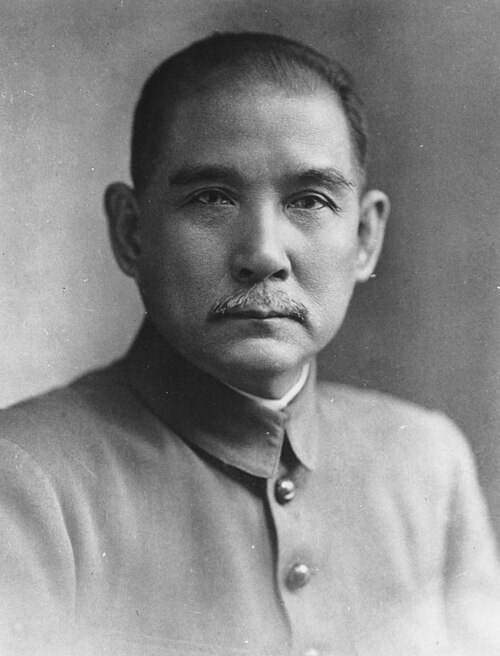
Sun Yat-sen
85Sun Yat-sen was the Chinese revolutionary and statesman who overthrew the Qing dynasty, founded the Republic of China, and became the founding father of both mainland China and Taiwan — revered by both Communists and Nationalists as the father of the Chinese nation.
Why Also a revolutionary & physician · Active in the same era
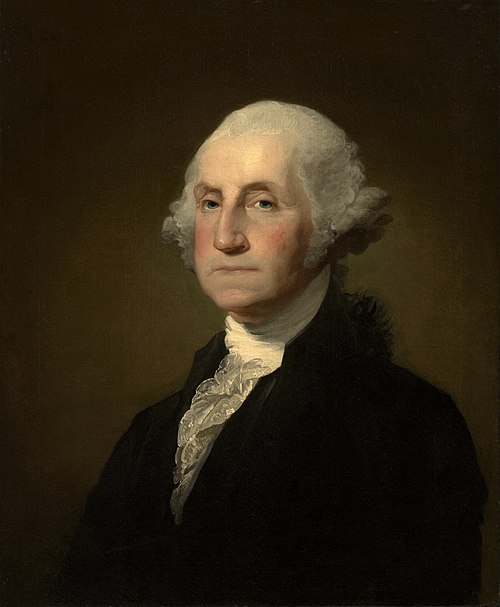
George Washington
91George Washington was the commander of the Continental Army in the American Revolution and the first President of the United States, whose leadership and restraint shaped the new republic.
Why Also a military leader · Active in the same era

Alexander Hamilton
87Alexander Hamilton was the American Founding Father who designed the United States financial system, co-wrote the Federalist Papers, founded the first national bank, served as the first Secretary of the Treasury, and was killed in a duel by Vice President Aaron Burr in 1804.
Why Also a military leader · Active in the same era