Physicians & Pioneers of Medicine
The healers and medical pioneers who transformed our understanding of the body, disease and care.
From the founder of clinical medicine in ancient Greece to the reformers of nursing and public health, physicians and medical pioneers have saved countless lives and reshaped human health. This page ranks the most influential.
Key Takeaways
- Physicians and medical pioneers transformed our understanding of the body and disease.
- Hippocrates founded medicine as a rational, ethical discipline.
- Advances in medicine have dramatically extended human life and health.

John Locke
93John Locke was an English philosopher and physician, widely regarded as the father of liberalism, whose theories of empiricism, natural rights, and government by consent shaped the Enlightenment and the founding of modern democracies.

Avicenna
90Avicenna was a Persian polymath of the Islamic Golden Age, one of the greatest physicians and philosophers of the medieval world, whose Canon of Medicine was a standard text for six centuries.

Hippocrates
88Hippocrates was an ancient Greek physician regarded as the father of Western medicine, who established medicine as a rational discipline distinct from superstition and inspired the Hippocratic Oath.

Averroes
87Averroes was a philosopher and polymath of Al-Andalus whose commentaries on Aristotle profoundly shaped medieval European philosophy and the relationship between reason and faith.
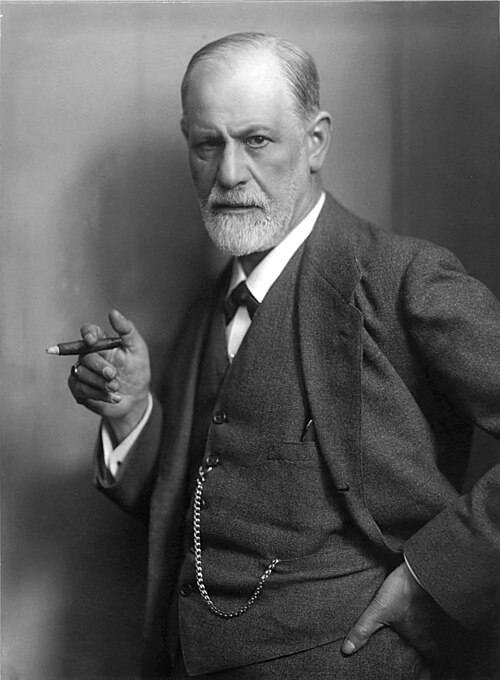
Sigmund Freud
86Sigmund Freud was an Austrian neurologist who founded psychoanalysis, a revolutionary theory and therapy of the unconscious mind whose ideas about dreams, sexuality and the self transformed psychology, medicine and modern culture.
Frequently Asked Questions
Who is the father of medicine?
Hippocrates of ancient Greece is traditionally called the father of medicine for founding it as a rational discipline and inspiring the Hippocratic Oath.