Revolutionary · 1928 – 1967
Che Guevara
If you're interested in Che Guevara, these historical figures share a similar impact, discipline, philosophy, or era. Each recommendation explains why the connection exists.
Similar Impact & Significance

Fidel Castro
84Fidel Castro was the Cuban revolutionary leader who overthrew the Batista dictatorship in 1959 and then ruled Cuba as a communist state for nearly five decades, becoming the longest-serving non-royal head of government in the 20th century and a towering symbol of Cold War confrontation.
Why His Cuban revolutionary ally and partner, alongside whom he led the guerrilla campaign that toppled Batista.

Simón Bolívar
88Simón Bolívar was the South American general and statesman who liberated six nations from Spanish colonial rule, earning the title El Libertador and shaping the independence of Venezuela, Colombia, Ecuador, Peru, Panama, and Bolivia.
Why The Latin American liberator whose dream of continental revolution inspired Guevara's own pan-Latin revolutionary vision.

Mao Zedong
90Mao Zedong was the founder of the People's Republic of China, who led the Chinese Communist Party to victory in the civil war, proclaimed the PRC in 1949, and then imposed radical revolutionary policies that caused tens of millions of deaths.
Why The Chinese revolutionary whose guerrilla strategy influenced Guevara's own theory of the foco.
Same Field or Discipline
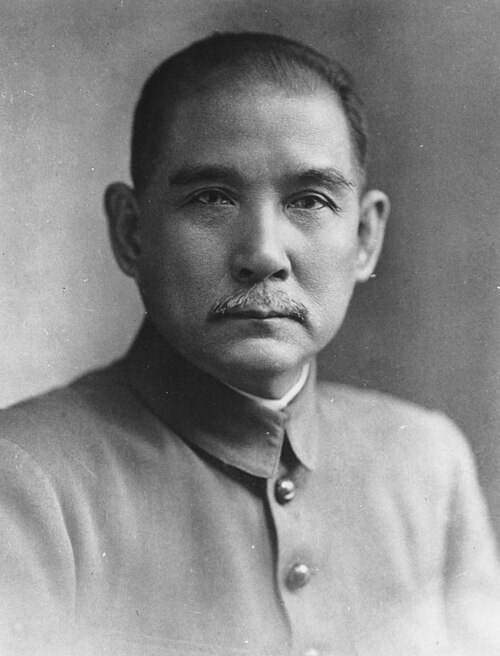
Sun Yat-sen
85Sun Yat-sen was the Chinese revolutionary and statesman who overthrew the Qing dynasty, founded the Republic of China, and became the founding father of both mainland China and Taiwan — revered by both Communists and Nationalists as the father of the Chinese nation.
Why Also a revolutionary & physician · Active in the same era
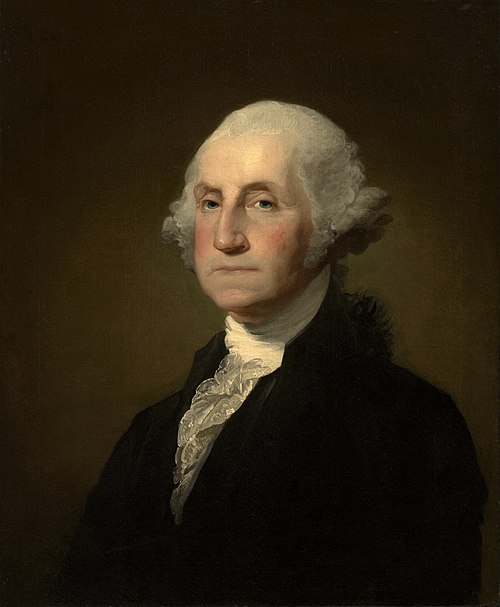
George Washington
91George Washington was the commander of the Continental Army in the American Revolution and the first President of the United States, whose leadership and restraint shaped the new republic.
Why Also a military leader · Active in the same era

Alexander Hamilton
87Alexander Hamilton was the American Founding Father who designed the United States financial system, co-wrote the Federalist Papers, founded the first national bank, served as the first Secretary of the Treasury, and was killed in a duel by Vice President Aaron Burr in 1804.
Why Also a military leader · Active in the same era

Geronimo
81Geronimo was the Apache leader whose decade-long guerrilla resistance against the United States and Mexico made him the most feared and pursued Native American fighter of the 19th century, requiring 5,000 US troops to finally capture 38 warriors.
Why Also a military leader · Active in the same era
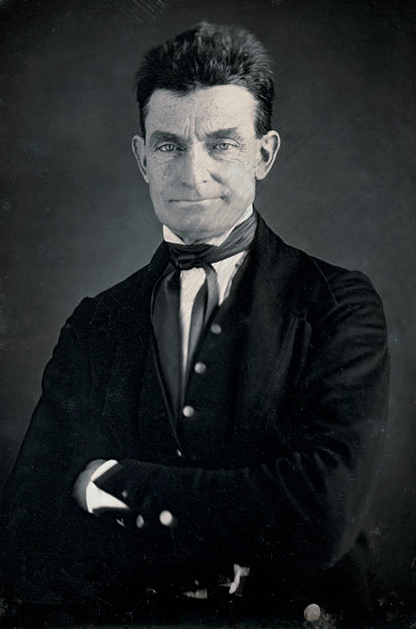
John Brown
81John Brown was the American abolitionist who believed that slavery could only be ended by armed violence, led the raid on the federal arsenal at Harpers Ferry in 1859, was hanged for treason, and became the most polarizing and prophetic figure of the American antislavery movement.
Why Also a military leader · Active in the same era

Sitting Bull
84Sitting Bull was the Hunkpapa Lakota chief and holy man who united the Sioux nations against American expansion, led the coalition that defeated Custer at the Little Bighorn in 1876, and became a symbol of Native American resistance to US conquest.
Why Also a military leader · Active in the same era

Tecumseh
83Tecumseh was the Shawnee leader who built the largest Native American confederacy in history to resist US expansion, allied with the British in the War of 1812, and was killed at the Battle of the Thames — becoming the greatest pan-Indian leader America ever faced.
Why Also a military leader · Active in the same era
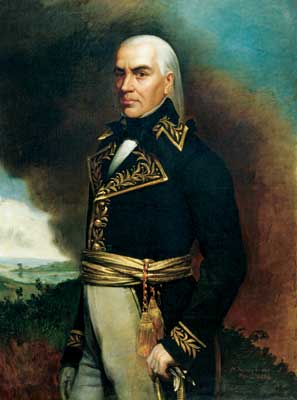
Francisco de Miranda
78Francisco de Miranda was the Venezuelan revolutionary who became the forerunner of Spanish American independence, fighting across three continents before returning home to lead Venezuela's first republic — a visionary who preceded Bolívar and inspired the liberation of Latin America.
Why Also a revolutionary · Active in the same era

Leon Trotsky
85Leon Trotsky was the Russian revolutionary who helped lead the October Revolution alongside Lenin, organized and commanded the Red Army through the Russian Civil War, and was later expelled by Stalin, becoming the most famous critic of Stalinist communism before his assassination in Mexico.
Why Also a revolutionary · Active in the same era

Vladimir Lenin
92Vladimir Lenin was the Marxist revolutionary who led the Bolshevik seizure of power in Russia in 1917, founded the Soviet Union, and created the first communist state — reshaping the course of the 20th century.
Why Also a revolutionary · Active in the same era

Giuseppe Garibaldi
84Giuseppe Garibaldi was the Italian nationalist military leader who united southern Italy with the north through his bold expedition of the Thousand, becoming the military hero of Italian unification and one of the most celebrated revolutionary figures of the 19th century.
Why Also a revolutionary · Active in the same era

Maximilien Robespierre
86Maximilien Robespierre was the French revolutionary leader who dominated the Committee of Public Safety during the Reign of Terror, using revolutionary justice to execute thousands including Louis XVI — before being overthrown and guillotined himself in Thermidor.
Why Also a revolutionary · Active in the same era

Toussaint Louverture
87Toussaint Louverture was the Haitian revolutionary leader who rose from slavery to lead the only successful slave revolt in history, defeating French, Spanish, and British armies to lay the foundations for Haiti's independence as the world's first Black republic.
Why Also a revolutionary · Active in the same era

Adolf Hitler
90Adolf Hitler was the dictator of Nazi Germany from 1933 to 1945, whose ideology of racial supremacy and aggressive expansionism plunged the world into World War II and caused the Holocaust — the genocide of six million Jews and millions of others.
Why Also a military leader · Active in the same era
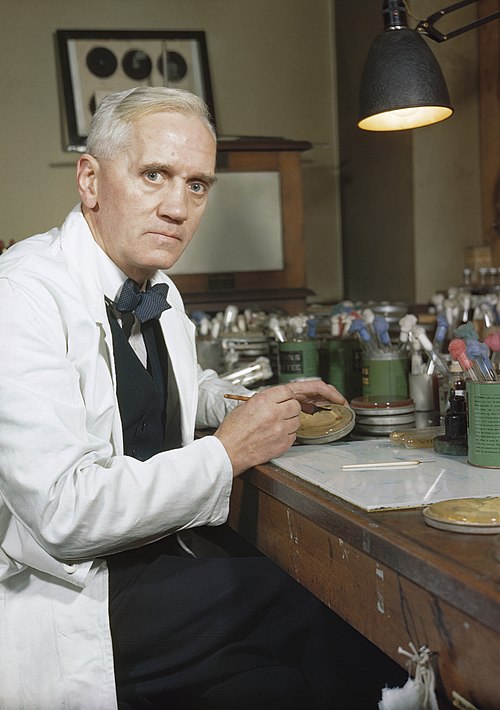
Alexander Fleming
92Alexander Fleming was the Scottish bacteriologist who discovered penicillin in 1928 — the world's first antibiotic — by noticing that mold was killing bacteria in a contaminated culture plate, an observation that ultimately saved an estimated 200 million lives.
Why Also a physician · Active in the same era

Anton Chekhov
81Anton Chekhov was a Russian playwright and short-story writer — and a practising physician — widely regarded as among the greatest masters of both the short story and modern drama, whose plays like The Cherry Orchard transformed the theatre.
Why Also a physician · Active in the same era

Arthur Conan Doyle
81Arthur Conan Doyle was a British writer and physician who created Sherlock Holmes, the most famous detective in fiction, whose stories of brilliant deduction defined the detective genre and remain among the best-loved in the world.
Why Also a physician · Active in the same era
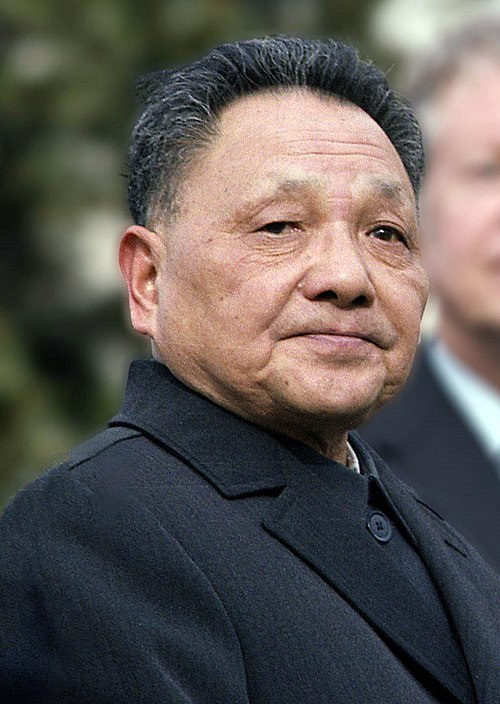
Deng Xiaoping
89Deng Xiaoping was the Chinese leader who reversed Mao Zedong's catastrophic policies after 1978, opening China to market reforms that transformed it from a poor agrarian country into the world's second-largest economy.
Why Also a revolutionary · Active in the same era

Edward Jenner
92Edward Jenner was the English physician who developed the world's first vaccine — against smallpox — in 1796, using cowpox material to confer immunity, saving hundreds of millions of lives and pioneering the field of immunology.
Why Also a physician · Active in the same era

Horatio Nelson
86Horatio Nelson was the British naval commander whose victory at the Battle of Trafalgar in 1805 destroyed the French and Spanish combined fleet, secured British naval supremacy for a century, and made him the greatest hero of British military history — killed at the moment of his triumph.
Why Also a military leader · Active in the same era

Shaka Zulu
80Shaka Zulu was the founder and greatest king of the Zulu Kingdom, a military revolutionary whose new tactics and weapons transformed warfare in southern Africa and forged a small clan into a powerful nation.
Why Also a military leader · Active in the same era