Suffragette · 1858 – 1928
Emmeline Pankhurst
If you're interested in Emmeline Pankhurst, these historical figures share a similar impact, discipline, philosophy, or era. Each recommendation explains why the connection exists.
Similar Impact & Significance

Mary Wollstonecraft
85Mary Wollstonecraft was an English Enlightenment writer and philosopher, a pioneer of feminist thought whose A Vindication of the Rights of Woman argued for the education and equality of women.
Why The pioneering feminist philosopher whose Vindication of the Rights of Woman laid the intellectual foundations the suffragettes built upon.

Susan B. Anthony
88Susan B. Anthony was the American civil rights leader who devoted her life to women's suffrage and abolition, co-founded the National Woman Suffrage Association, was arrested for illegally voting in 1872, and became the face of the movement that won women the vote fourteen years after her death.
Why Her American counterpart in the women's suffrage movement, whose campaigns influenced and paralleled her own.

Queen Victoria
85Queen Victoria was the longest-reigning British monarch of her era, who presided over the height of the British Empire and the Victorian age of industrialization, reform, and global expansion, becoming a grandmother to most of Europe's royal houses.
Why The queen who personified Victorian-era gender expectations that Pankhurst's movement challenged and overthrew.
Same Era or Civilization

Duke of Wellington
87The Duke of Wellington was the British general who defeated Napoleon Bonaparte at the Battle of Waterloo in 1815, ending the Napoleonic Wars, and who subsequently served as Prime Minister of Britain — the only man to hold both the highest military and civilian offices in British history.
Why Active in the same era · From the same civilization

Horatio Nelson
86Horatio Nelson was the British naval commander whose victory at the Battle of Trafalgar in 1805 destroyed the French and Spanish combined fleet, secured British naval supremacy for a century, and made him the greatest hero of British military history — killed at the moment of his triumph.
Why Active in the same era · From the same civilization

Agatha Christie
81Agatha Christie was an English writer, the best-selling novelist of all time, whose ingenious detective stories featuring Hercule Poirot and Miss Marple made her the undisputed "Queen of Crime".
Why Active in the same era · From the same civilization

Alan Turing
91Alan Turing was an English mathematician and computer scientist who founded theoretical computer science, helped break the German Enigma cipher in World War II, and pioneered the study of artificial intelligence.
Why Active in the same era · From the same civilization

Aldous Huxley
80Aldous Huxley was an English writer and philosopher whose dystopian novel Brave New World became one of the most influential warnings of the 20th century, imagining a future enslaved not by terror but by pleasure and conditioning.
Why Active in the same era · From the same civilization
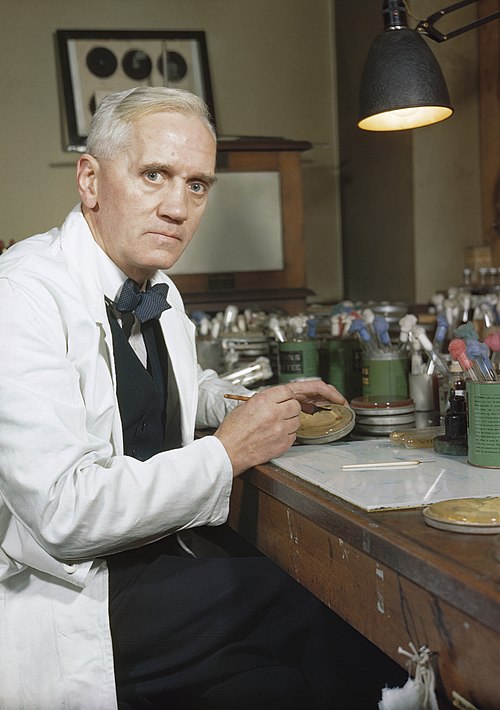
Alexander Fleming
92Alexander Fleming was the Scottish bacteriologist who discovered penicillin in 1928 — the world's first antibiotic — by noticing that mold was killing bacteria in a contaminated culture plate, an observation that ultimately saved an estimated 200 million lives.
Why Active in the same era · From the same civilization

Arthur Conan Doyle
81Arthur Conan Doyle was a British writer and physician who created Sherlock Holmes, the most famous detective in fiction, whose stories of brilliant deduction defined the detective genre and remain among the best-loved in the world.
Why Active in the same era · From the same civilization
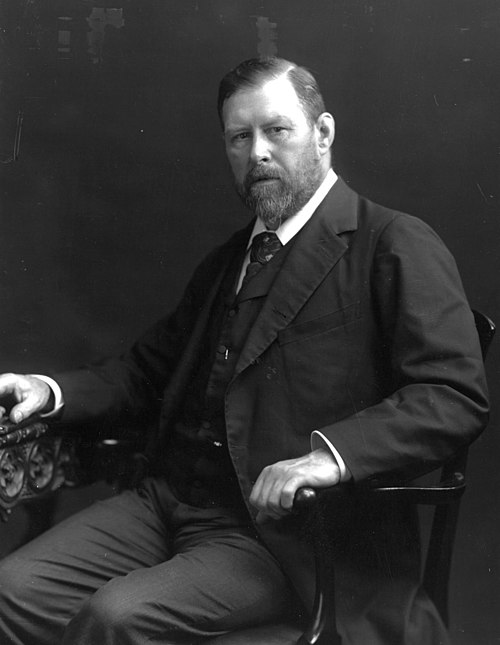
Bram Stoker
78Bram Stoker was an Irish writer and theatre manager whose 1897 Gothic novel Dracula created the modern vampire and became one of the most influential works of horror fiction ever written.
Why Active in the same era · From the same civilization

Charles Dickens
86Charles Dickens was an English novelist of the Victorian age, the most popular writer of his time and one of the greatest in the English language, whose vivid characters and social conscience defined the 19th-century novel.
Why Active in the same era · From the same civilization

Edward Jenner
92Edward Jenner was the English physician who developed the world's first vaccine — against smallpox — in 1796, using cowpox material to confer immunity, saving hundreds of millions of lives and pioneering the field of immunology.
Why Active in the same era · From the same civilization

Ernest Rutherford
90Ernest Rutherford was the New Zealand-born physicist who discovered the nuclear structure of the atom, demonstrated radioactive decay, and pioneered nuclear physics — establishing the framework that led to nuclear energy and the atomic bomb.
Why Active in the same era · From the same civilization
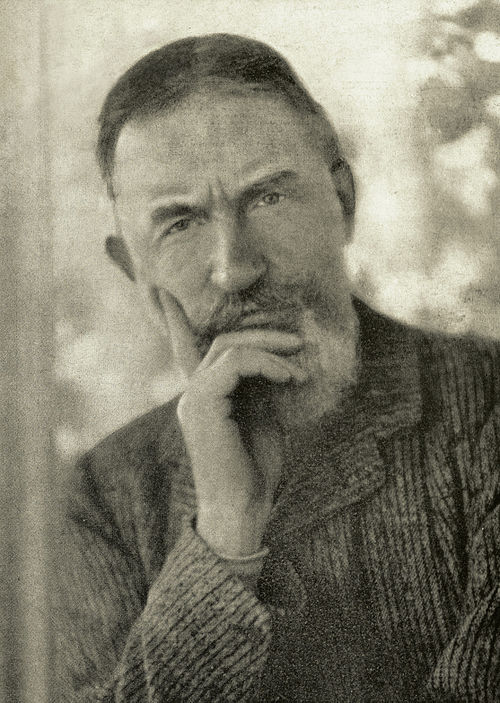
George Bernard Shaw
80George Bernard Shaw was an Irish playwright, critic and polemicist, the leading dramatist of his age after Shakespeare, whose witty, idea-driven plays such as Pygmalion won him the Nobel Prize in Literature and, uniquely, an Academy Award.
Why Active in the same era · From the same civilization

George Orwell
84George Orwell was an English writer and journalist whose novels Nineteen Eighty-Four and Animal Farm became the defining warnings against totalitarianism, giving the world terms such as "Big Brother", "doublethink" and "Orwellian".
Why Active in the same era · From the same civilization
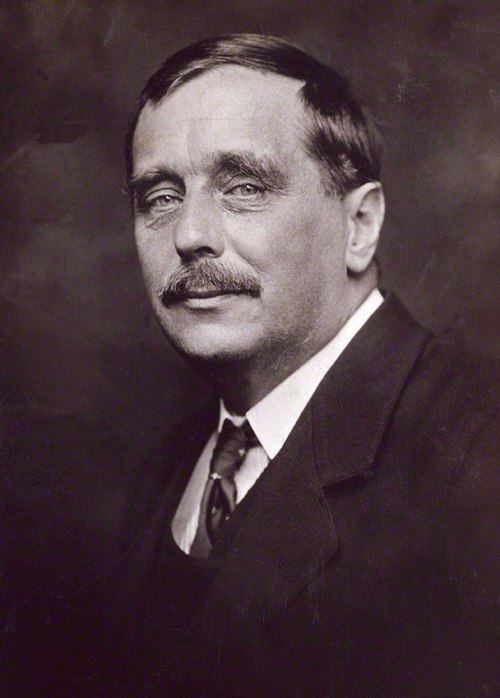
H. G. Wells
81H. G. Wells was an English writer, a founding father of science fiction, whose visionary novels — The Time Machine, The War of the Worlds and The Invisible Man — imagined time travel, alien invasion and other ideas that have shaped the genre ever since.
Why Active in the same era · From the same civilization
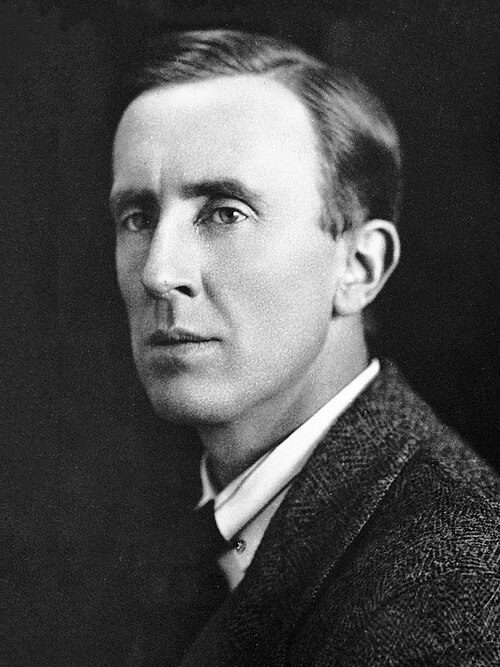
J. R. R. Tolkien
84J. R. R. Tolkien was an English writer and Oxford philologist whose novels The Hobbit and The Lord of the Rings created the modern genre of epic fantasy and built one of the most fully imagined fictional worlds ever conceived.
Why Active in the same era · From the same civilization

James Watt
90James Watt was the Scottish inventor and engineer whose improvements to the steam engine in the 1760s and 1780s made it vastly more efficient and practical, powering the Industrial Revolution and transforming the world's economy.
Why Active in the same era · From the same civilization

Jawaharlal Nehru
88Jawaharlal Nehru was India's first Prime Minister, who guided the country's independence from Britain, built its democratic institutions, launched industrialization and scientific development, and co-founded the Non-Aligned Movement of nations uncommitted to either Cold War superpower.
Why Active in the same era · From the same civilization

John Keats
79John Keats was an English Romantic poet who, despite dying at just 25, produced some of the most beautiful and enduring poetry in the language, including a series of great odes that secured his place among the immortals of English verse.
Why Active in the same era · From the same civilization

Lewis Carroll
80Lewis Carroll was the pen name of Charles Dodgson, an English writer and mathematician whose Alice's Adventures in Wonderland and Through the Looking-Glass revolutionized children's literature with their playful logic, nonsense and imagination.
Why Active in the same era · From the same civilization

Lord Byron
80Lord Byron was an English Romantic poet, one of the most famous and scandalous figures of his age, whose works such as Don Juan and Childe Harold's Pilgrimage created the brooding "Byronic hero" and made him a celebrity across Europe.
Why Active in the same era · From the same civilization

Mahatma Gandhi
93Mahatma Gandhi was the leader of India's independence movement, who pioneered the philosophy and practice of nonviolent civil disobedience and inspired movements for civil rights across the world.
Why Active in the same era · From the same civilization