Historical Figures from England
The most influential historical figures born in or associated with England.

Ada Lovelace
84Ada Lovelace was an English mathematician widely regarded as the first computer programmer, who saw that Charles Babbage's Analytical Engine could go beyond calculation to manipulate symbols of any kind.

Agatha Christie
81Agatha Christie was an English writer, the best-selling novelist of all time, whose ingenious detective stories featuring Hercule Poirot and Miss Marple made her the undisputed "Queen of Crime".

Alan Turing
91Alan Turing was an English mathematician and computer scientist who founded theoretical computer science, helped break the German Enigma cipher in World War II, and pioneered the study of artificial intelligence.

Aldous Huxley
80Aldous Huxley was an English writer and philosopher whose dystopian novel Brave New World became one of the most influential warnings of the 20th century, imagining a future enslaved not by terror but by pleasure and conditioning.

Charles Darwin
96Charles Darwin was an English naturalist whose theory of evolution by natural selection became the unifying foundation of modern biology and transformed humanity's understanding of life.

Charles Dickens
86Charles Dickens was an English novelist of the Victorian age, the most popular writer of his time and one of the greatest in the English language, whose vivid characters and social conscience defined the 19th-century novel.

Elizabeth I
89Elizabeth I was Queen of England from 1558 to 1603, whose long and stable reign — the Elizabethan era — saw a golden age of culture, the defeat of the Spanish Armada, and England's rise as a sea power.

Francis Bacon
82Francis Bacon was an English philosopher, statesman and writer who served as Lord Chancellor and, in works such as the Novum Organum and his Essays, founded the modern scientific method of reasoning from evidence and experiment.

Geoffrey Chaucer
81Geoffrey Chaucer was an English poet and civil servant of the 14th century, called the "Father of English literature", whose Canterbury Tales established English as a language worthy of great poetry.
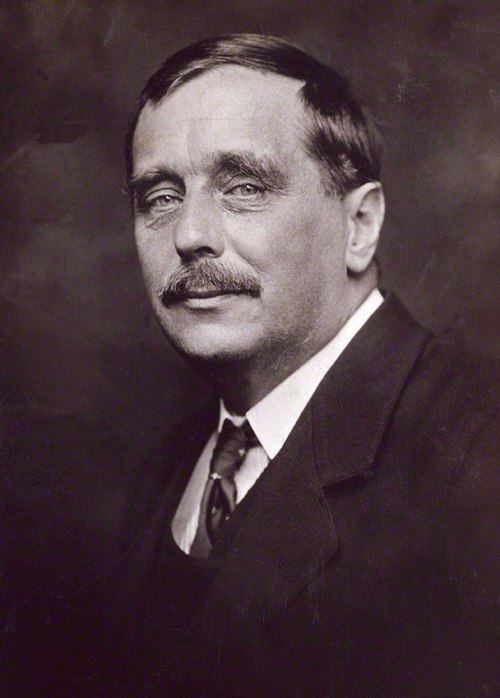
H. G. Wells
81H. G. Wells was an English writer, a founding father of science fiction, whose visionary novels — The Time Machine, The War of the Worlds and The Invisible Man — imagined time travel, alien invasion and other ideas that have shaped the genre ever since.

Isaac Newton
99Isaac Newton was an English physicist and mathematician whose laws of motion and universal gravitation laid the foundation of classical mechanics and the Scientific Revolution.
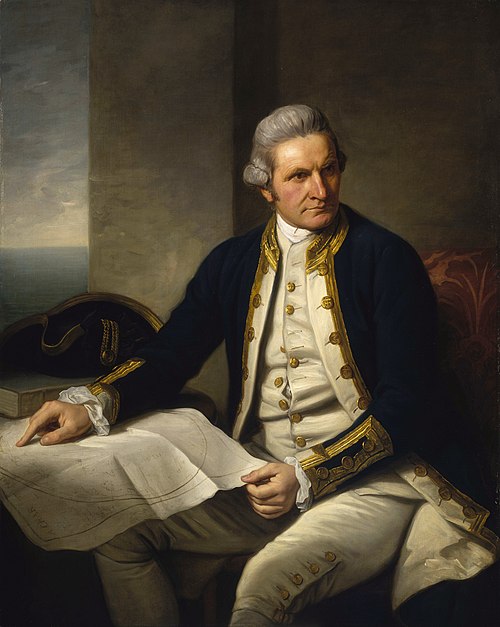
James Cook
84James Cook was a British explorer, navigator and cartographer whose three Pacific voyages charted New Zealand, the eastern coast of Australia and many Pacific islands with unprecedented accuracy.
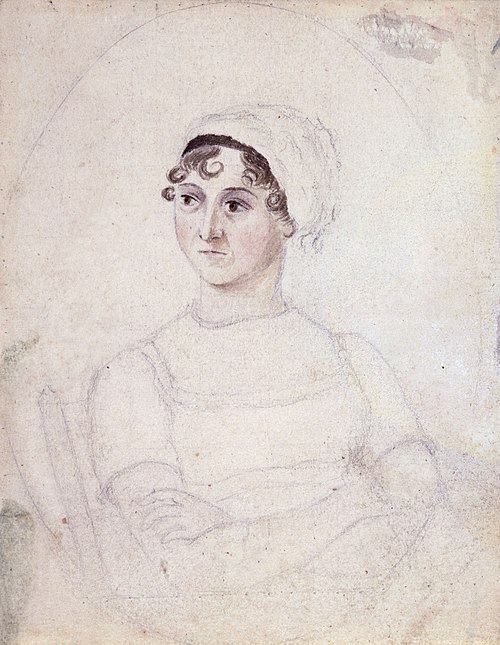
Jane Austen
88Jane Austen was an English novelist whose witty, incisive novels of manners, including Pride and Prejudice and Emma, are masterpieces of English literature and remain enduringly popular.

John Keats
79John Keats was an English Romantic poet who, despite dying at just 25, produced some of the most beautiful and enduring poetry in the language, including a series of great odes that secured his place among the immortals of English verse.

John Locke
93John Locke was an English philosopher and physician, widely regarded as the father of liberalism, whose theories of empiricism, natural rights, and government by consent shaped the Enlightenment and the founding of modern democracies.

John Milton
83John Milton was an English poet and political writer of the 17th century whose epic Paradise Lost is considered the greatest long poem in the English language and one of the supreme achievements of world literature.
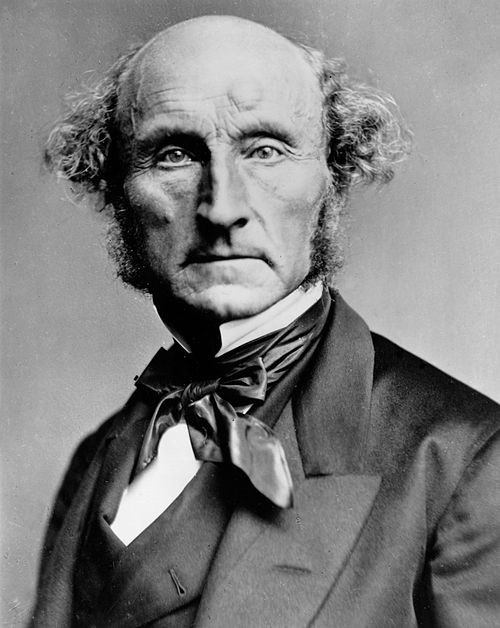
John Stuart Mill
87John Stuart Mill was an English philosopher and economist, the leading liberal thinker of the nineteenth century, whose works on utilitarianism, liberty, and the rights of women shaped modern political and ethical thought.

Lewis Carroll
80Lewis Carroll was the pen name of Charles Dodgson, an English writer and mathematician whose Alice's Adventures in Wonderland and Through the Looking-Glass revolutionized children's literature with their playful logic, nonsense and imagination.

Lord Byron
80Lord Byron was an English Romantic poet, one of the most famous and scandalous figures of his age, whose works such as Don Juan and Childe Harold's Pilgrimage created the brooding "Byronic hero" and made him a celebrity across Europe.
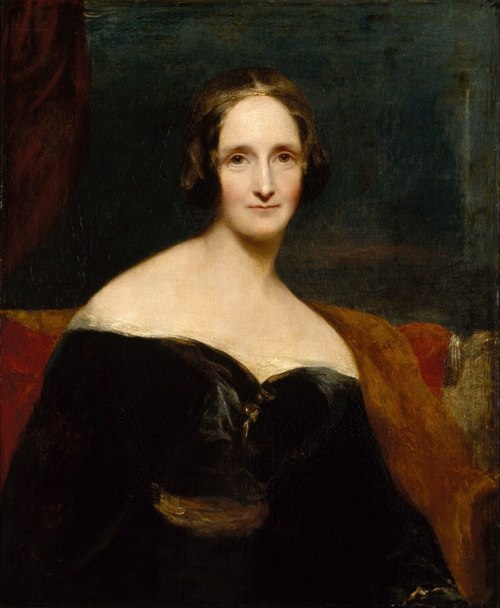
Mary Shelley
80Mary Shelley was an English writer who, at just eighteen, conceived Frankenstein — a novel often called the first work of science fiction — and went on to a notable literary career while editing the works of her husband, the poet Percy Bysshe Shelley.

Mary Wollstonecraft
85Mary Wollstonecraft was an English Enlightenment writer and philosopher, a pioneer of feminist thought whose A Vindication of the Rights of Woman argued for the education and equality of women.

Michael Faraday
93Michael Faraday was an English scientist whose discoveries in electromagnetism and electrochemistry, above all electromagnetic induction, laid the experimental foundation of the electrical age.

Percy Bysshe Shelley
79Percy Bysshe Shelley was an English Romantic poet, among the greatest lyric poets in the language, whose visionary and politically radical verse — including Ozymandias and Prometheus Unbound — influenced generations of poets and reformers.

Rosalind Franklin
85Rosalind Franklin was an English chemist and X-ray crystallographer whose images of DNA were crucial to discovering its double-helix structure, a contribution long under-recognized.

Stephen Hawking
87Stephen Hawking was a British theoretical physicist and cosmologist whose work on black holes and the origins of the universe, carried out despite a paralysing motor-neurone disease, made him the most famous scientist of his age.

Thomas Hobbes
88Thomas Hobbes was an English philosopher whose masterwork Leviathan founded modern political philosophy, arguing that to escape the violent state of nature people must submit to a powerful sovereign through a social contract.
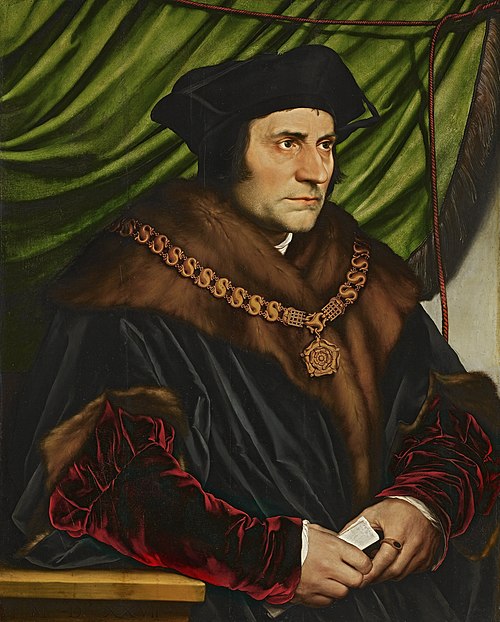
Thomas More
79Thomas More was an English statesman, lawyer and Renaissance humanist who served as Lord Chancellor and coined the word "utopia" in his book of that name — and who was executed for refusing to accept King Henry VIII's break with Rome.

Virginia Woolf
81Virginia Woolf was an English writer, a central figure of literary modernism, whose novels Mrs Dalloway and To the Lighthouse pioneered stream of consciousness, and whose essay A Room of One's Own became a landmark of feminist thought.
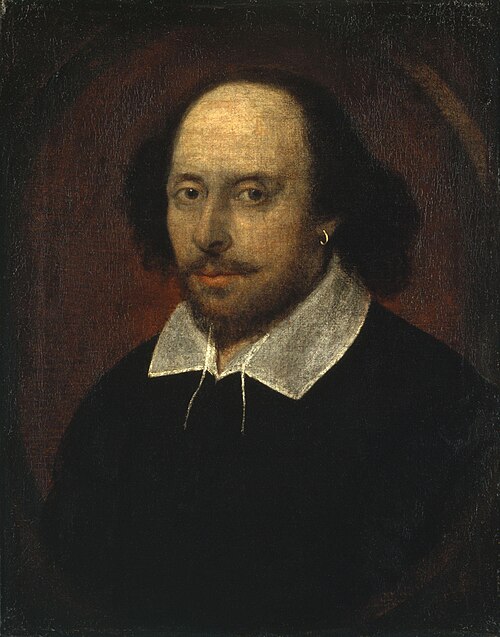
William Shakespeare
96William Shakespeare was an English playwright and poet widely regarded as the greatest writer in the English language and the world's preeminent dramatist.

William Wordsworth
80William Wordsworth was an English poet who, with the Lyrical Ballads, helped launch the Romantic movement in English literature, celebrating nature, memory and ordinary life in language closer to common speech.

Winston Churchill
90Winston Churchill was the British statesman who led the United Kingdom to victory in World War II — and a prolific historian and writer whose books and speeches won him the Nobel Prize in Literature, a rare honour for a man of action.