Composer · 1770 – 1827
Ludwig van Beethoven
If you're interested in Ludwig van Beethoven, these historical figures share a similar impact, discipline, philosophy, or era. Each recommendation explains why the connection exists.
Similar Impact & Significance

Hildegard of Bingen
84Hildegard of Bingen was a German Benedictine abbess and one of the most remarkable polymaths of the Middle Ages — a visionary, composer, writer, healer and natural philosopher.
Why An earlier composer of enduring influence in the long history of Western music.

Michelangelo
95Michelangelo was an Italian Renaissance sculptor, painter and architect, one of the greatest artists in history, creator of the David, the Pietà and the Sistine Chapel ceiling.
Why A fellow towering artist whose work defines the heights of human creative achievement.
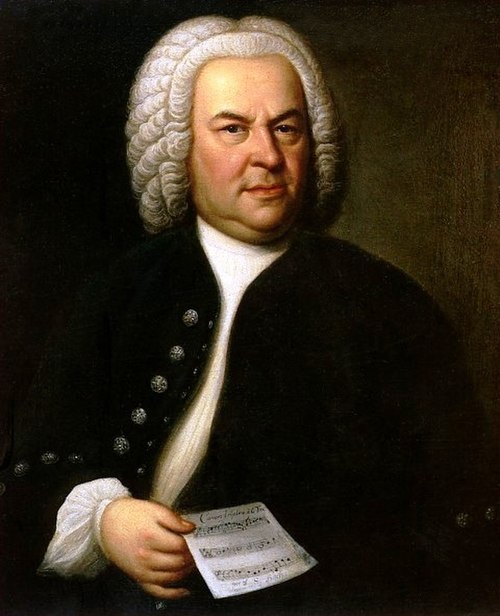
Johann Sebastian Bach
95Johann Sebastian Bach was a German composer and musician of the Baroque era whose mastery of counterpoint and harmony — in works like the Brandenburg Concertos and the Mass in B minor — made him one of the greatest composers in Western history.
Why Also a composer & musician · Comparable historical impact

Wolfgang Amadeus Mozart
96Wolfgang Amadeus Mozart was an Austrian composer of the Classical era, a child prodigy who produced more than 600 works of extraordinary range and beauty and is widely regarded as one of the greatest composers in history.
Why Also a composer & musician · Comparable historical impact

Jean-Jacques Rousseau
90Jean-Jacques Rousseau was a Genevan-French philosopher, writer, and composer whose ideas on the social contract, the general will, and natural human goodness shaped modern political thought, education, and the Romantic movement.
Why Also a composer · Comparable historical impact
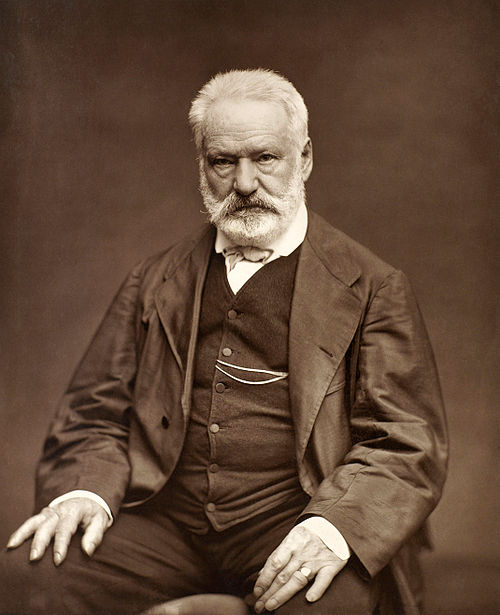
Victor Marie Hugo
89Victor Hugo was a French novelist, poet, and dramatist, the towering figure of French Romanticism, whose novels Les Misérables and The Hunchback of Notre-Dame are monuments of world literature.
Why Active in the same era · Comparable historical impact

Abraham Lincoln
92Abraham Lincoln was the 16th President of the United States, who led the nation through its Civil War, preserved the Union, and abolished slavery before his assassination in 1865.
Why Active in the same era · Comparable historical impact

Alan Turing
91Alan Turing was an English mathematician and computer scientist who founded theoretical computer science, helped break the German Enigma cipher in World War II, and pioneered the study of artificial intelligence.
Why Active in the same era · Comparable historical impact

Albert Einstein
99Albert Einstein was a German-born theoretical physicist who developed the theory of relativity, one of the two pillars of modern physics, and won the 1921 Nobel Prize.
Why Active in the same era · Comparable historical impact

Charles Dickens
86Charles Dickens was an English novelist of the Victorian age, the most popular writer of his time and one of the greatest in the English language, whose vivid characters and social conscience defined the 19th-century novel.
Why Active in the same era · Comparable historical impact

Claude Monet
90Claude Monet was a French painter and the leading founder of Impressionism, whose studies of light and atmosphere — from Impression, Sunrise to the Water Lilies — revolutionized modern painting.
Why Active in the same era · Comparable historical impact

Erwin Schrödinger
86Erwin Schrödinger was an Austrian physicist who formulated the wave equation governing quantum systems and devised the famous Schrödinger's cat thought experiment.
Why Active in the same era · Comparable historical impact

Frederick Douglass
84Frederick Douglass was an American abolitionist, orator and writer who escaped slavery to become the most powerful voice of the antislavery movement and one of the foremost advocates for equality and human rights in the 19th century.
Why Active in the same era · Comparable historical impact

Friedrich Nietzsche
92Friedrich Nietzsche was a German philosopher whose radical critiques of morality, religion, and truth—including the proclamation that "God is dead" and the ideal of the Übermensch—made him one of the most influential and provocative thinkers of the modern era.
Why Active in the same era · Comparable historical impact

Fyodor Mikhailovich Dostoevsky
91Fyodor Dostoevsky was a Russian novelist whose psychologically penetrating works, including Crime and Punishment and The Brothers Karamazov, probe faith, guilt, and freedom and helped shape modern existential thought.
Why Active in the same era · Comparable historical impact

George Orwell
84George Orwell was an English writer and journalist whose novels Nineteen Eighty-Four and Animal Farm became the defining warnings against totalitarianism, giving the world terms such as "Big Brother", "doublethink" and "Orwellian".
Why Active in the same era · Comparable historical impact
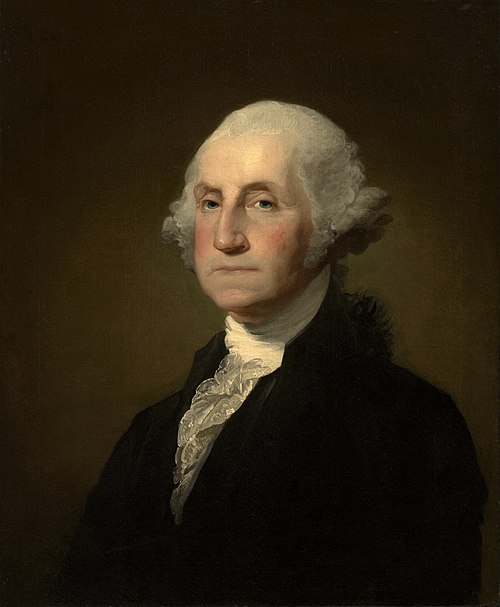
George Washington
91George Washington was the commander of the Continental Army in the American Revolution and the first President of the United States, whose leadership and restraint shaped the new republic.
Why Active in the same era · Comparable historical impact
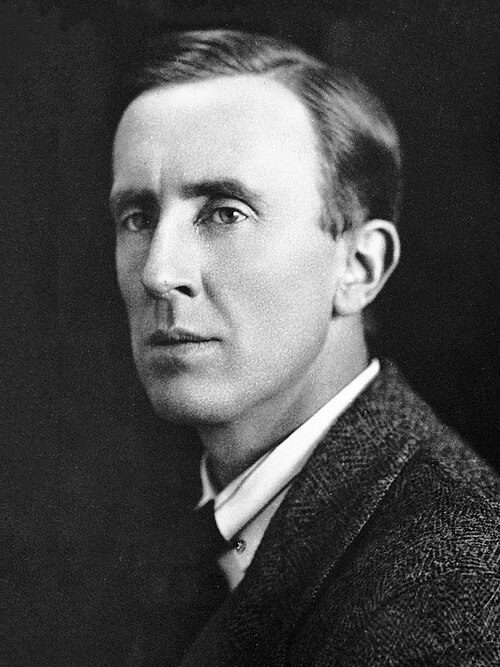
J. R. R. Tolkien
84J. R. R. Tolkien was an English writer and Oxford philologist whose novels The Hobbit and The Lord of the Rings created the modern genre of epic fantasy and built one of the most fully imagined fictional worlds ever conceived.
Why Active in the same era · Comparable historical impact

Lev Nikolayevich Tolstoy
92Leo Tolstoy was a Russian novelist and moral philosopher whose epics War and Peace and Anna Karenina rank among the greatest works of fiction, and whose later doctrine of nonviolence influenced Gandhi and King.
Why Active in the same era · Comparable historical impact

Mahatma Gandhi
93Mahatma Gandhi was the leader of India's independence movement, who pioneered the philosophy and practice of nonviolent civil disobedience and inspired movements for civil rights across the world.
Why Active in the same era · Comparable historical impact
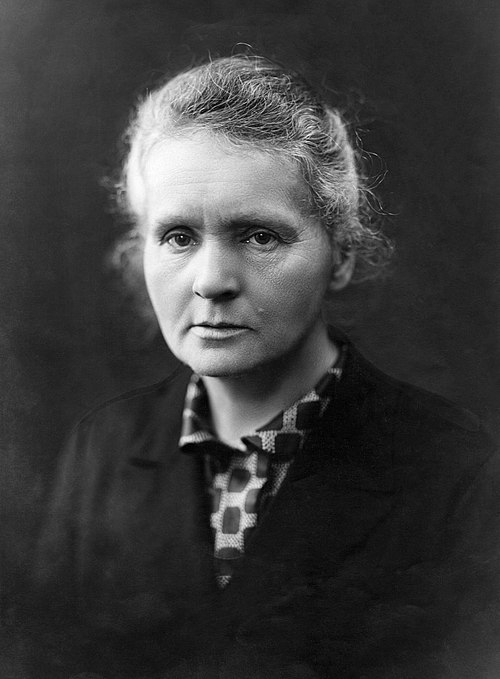
Marie Curie
92Marie Curie was a Polish-French physicist and chemist who pioneered research on radioactivity and became the first person to win Nobel Prizes in two different sciences.
Why Active in the same era · Comparable historical impact
Same Field or Discipline

Frédéric Chopin
88Frédéric Chopin was a Polish-French Romantic composer and virtuoso pianist whose deeply expressive works for solo piano — nocturnes, études, polonaises and mazurkas — made him one of the most influential composers for the instrument.
Why Also a composer & musician · Active in the same era
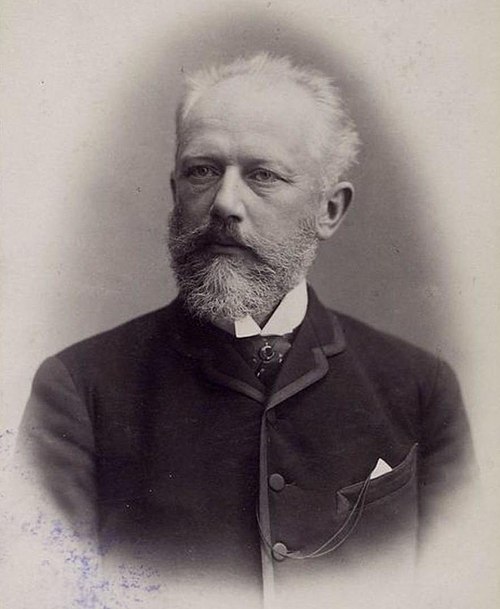
Pyotr Ilyich Tchaikovsky
89Pyotr Ilyich Tchaikovsky was a Russian Romantic composer whose richly emotional music — including the ballets Swan Lake and The Nutcracker and the 1812 Overture — made him one of the most popular and widely performed composers in the world.
Why Also a composer & musician · Active in the same era

Rabindranath Tagore
81Rabindranath Tagore was a Bengali poet, writer, composer and polymath who reshaped Indian literature and music and, in 1913, became the first non-European to win the Nobel Prize in Literature.
Why Also a composer · Active in the same era