Painter · 1840 – 1926
Claude Monet
Key Takeaways
- Monet was the foremost founder of the Impressionist movement.
- His painting Impression, Sunrise gave Impressionism its name.
- He painted in series to capture changing light on a single subject.
- His late Water Lilies anticipated abstraction in modern art.
Claude Monet spent a lifetime chasing light. More than any other artist, he defined Impressionism, devoting himself to capturing the fleeting play of sunlight, water, and atmosphere on canvas.
The birth of Impressionism
In 1872 Monet painted a hazy harbor at dawn and titled it Impression, Sunrise. When it appeared at an independent exhibition in 1874, a scornful critic seized on the word “impression” — and a movement got its name. Monet and his circle had broken with academic finish to paint quickly, outdoors, in pursuit of the moment.
Painting in series
In the modern-era, Monet pushed his vision further by painting the same subject again and again under shifting conditions: stacks of grain, the facade of Rouen Cathedral, poplars along a river. These series revealed how profoundly light transforms what we see.
Giverny and the Water Lilies
At his garden in Giverny, Monet created the vast Water Lilies, dissolving form into shimmering reflection. These late canvases looked ahead to abstraction and influenced generations of modern artists, including Pablo Picasso and the Post-Impressionist Vincent van Gogh.
Influence
Monet's focus on perception, light, and the act of seeing reshaped Western art, freeing color and brushwork from strict representation and paving the way toward modern abstraction.
Legacy
Monet is regarded as the quintessential Impressionist, and his Water Lilies are among the most celebrated works of modern art.
Major Works
- Impression, Sunrise
- Water Lilies
- Rouen Cathedral series
- Haystacks series
Controversies
- Early Impressionist exhibitions were ridiculed by critics, one of whom coined the term Impressionism mockingly.
Connections
Frequently Asked Questions
Who was Claude Monet?
Claude Monet (1840–1926) was a French painter and the leading founder of Impressionism, famous for his studies of light such as the Water Lilies.
What is Impressionism?
Impressionism is a 19th-century art movement that sought to capture fleeting effects of light and color through loose brushwork and outdoor painting.
Citations & Sources
People Like Claude
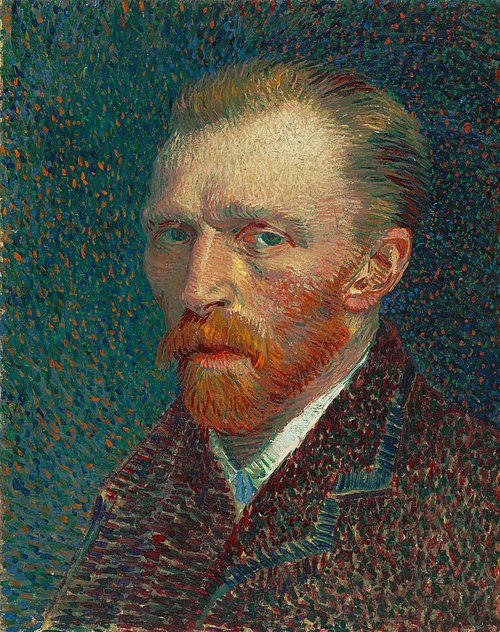
Vincent van Gogh
93Vincent van Gogh was a Dutch Post-Impressionist painter whose intense color, expressive brushwork, and emotional depth made him one of the most influential artists in Western history, though he found little recognition in his own lifetime.
Why A Post-Impressionist who built on the color and light experiments Monet pioneered.
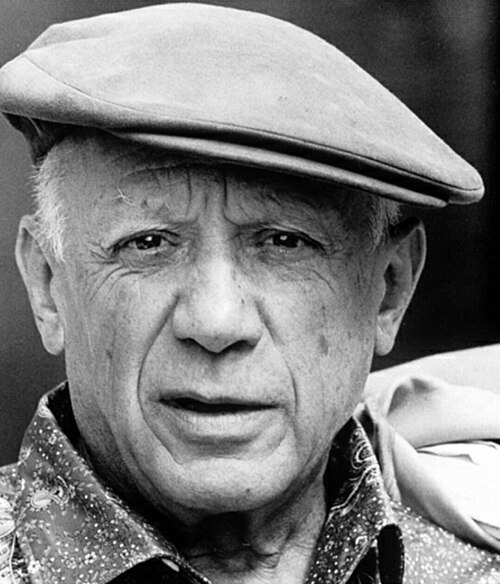
Pablo Picasso
94Pablo Picasso was a Spanish painter and sculptor who co-founded Cubism and ranks among the most influential and prolific artists of the twentieth century, creating works such as Guernica and Les Demoiselles d'Avignon.
Why A later modernist whose break from tradition followed the path Impressionism opened.
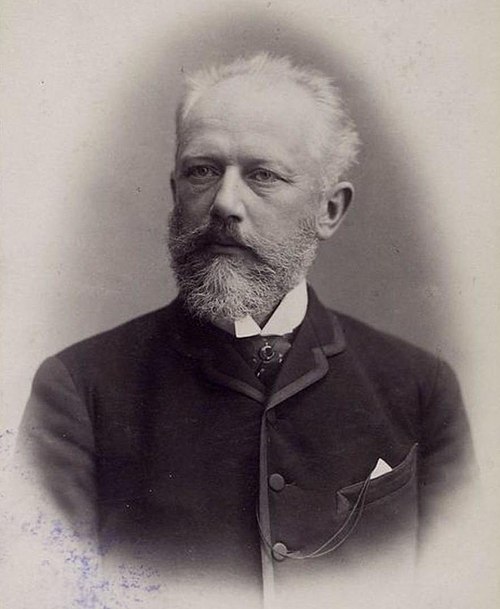
Pyotr Ilyich Tchaikovsky
89Pyotr Ilyich Tchaikovsky was a Russian Romantic composer whose richly emotional music — including the ballets Swan Lake and The Nutcracker and the 1812 Overture — made him one of the most popular and widely performed composers in the world.
Why A contemporary Romantic artist whose work, like Monet's, evoked mood and atmosphere.

Leonardo da Vinci
97Leonardo da Vinci was an Italian Renaissance polymath — painter, inventor, anatomist and engineer — whose curiosity and genius made him the archetype of the 'Renaissance man'.
Why An earlier master of light and observation against whose tradition Impressionism reacted.
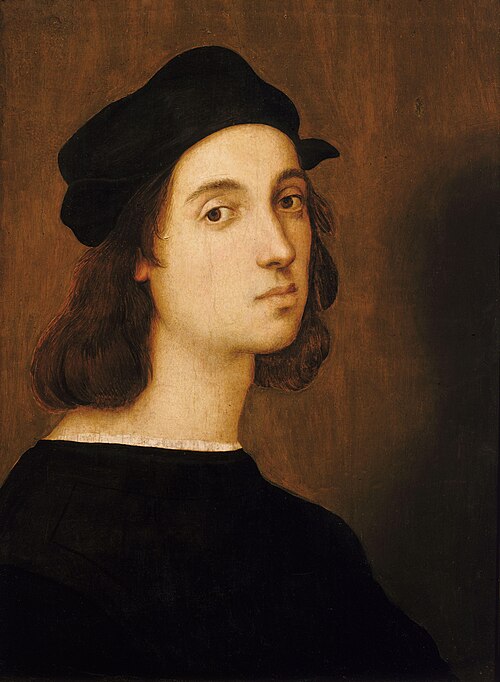
Raffaello Sanzio da Urbino
90Raphael was an Italian painter and architect of the High Renaissance whose works, prized for their harmony and grace, include The School of Athens and a famous series of serene Madonnas.
Why Also a painter & artist · Comparable historical impact

Rembrandt Harmenszoon van Rijn
91Rembrandt was a Dutch painter and etcher of the Golden Age, regarded as one of the greatest artists in history, celebrated for The Night Watch, his searching self-portraits, and his mastery of light and shadow.
Why Also a painter & artist · Comparable historical impact