Admiral · 1758 – 1805
Horatio Nelson
If you're interested in Horatio Nelson, these historical figures share a similar impact, discipline, philosophy, or era. Each recommendation explains why the connection exists.
Similar Impact & Significance

Napoleon Bonaparte
94Napoleon Bonaparte was a French military and political leader who rose during the French Revolution, crowned himself Emperor, and dominated European affairs for over a decade.
Why His great adversary whose invasion plans Trafalgar permanently ended.

Duke of Wellington
87The Duke of Wellington was the British general who defeated Napoleon Bonaparte at the Battle of Waterloo in 1815, ending the Napoleonic Wars, and who subsequently served as Prime Minister of Britain — the only man to hold both the highest military and civilian offices in British history.
Why His great contemporary and fellow British hero, who won the land war while Nelson secured the seas.

Yi Sun-sin
86Yi Sun-sin was the Korean admiral who defended Korea against the Japanese invasions of 1592–98, winning 23 naval battles without a single defeat, developing the ironclad turtle ship, and dying in his final victory — one of the greatest naval commanders in history.
Why Also a admiral & military leader · Comparable historical impact

Boudicca
80Boudicca was the queen of the Iceni tribe who led a major uprising against Roman rule in Britain around 60–61 CE, sacking Camulodunum, Londinium, and Verulamium before being defeated by the Roman governor Paulinus.
Why Also a military leader · Comparable historical impact
Same Field or Discipline

Adolf Hitler
90Adolf Hitler was the dictator of Nazi Germany from 1933 to 1945, whose ideology of racial supremacy and aggressive expansionism plunged the world into World War II and caused the Holocaust — the genocide of six million Jews and millions of others.
Why Also a military leader · Active in the same era

Alexander Hamilton
87Alexander Hamilton was the American Founding Father who designed the United States financial system, co-wrote the Federalist Papers, founded the first national bank, served as the first Secretary of the Treasury, and was killed in a duel by Vice President Aaron Burr in 1804.
Why Also a military leader · Active in the same era

Che Guevara
83Che Guevara was the Argentine Marxist revolutionary who helped Fidel Castro seize power in Cuba, theorized guerrilla warfare as the path to revolution in the developing world, and became an iconic symbol of rebellion after his execution in Bolivia in 1967.
Why Also a military leader · Active in the same era
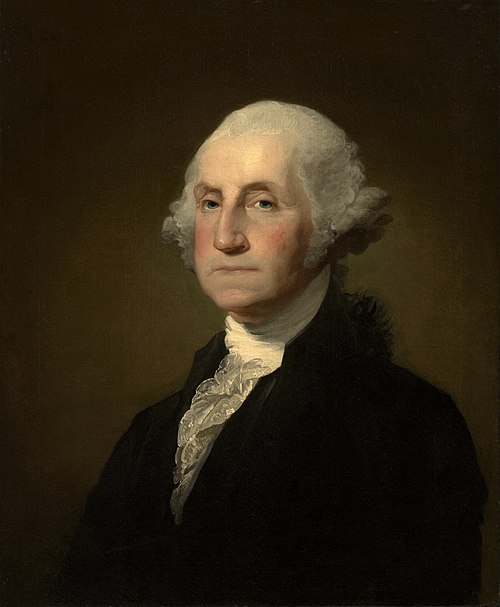
George Washington
91George Washington was the commander of the Continental Army in the American Revolution and the first President of the United States, whose leadership and restraint shaped the new republic.
Why Also a military leader · Active in the same era

Geronimo
81Geronimo was the Apache leader whose decade-long guerrilla resistance against the United States and Mexico made him the most feared and pursued Native American fighter of the 19th century, requiring 5,000 US troops to finally capture 38 warriors.
Why Also a military leader · Active in the same era
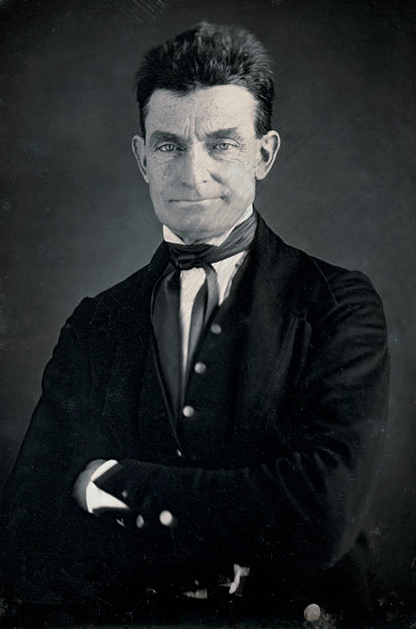
John Brown
81John Brown was the American abolitionist who believed that slavery could only be ended by armed violence, led the raid on the federal arsenal at Harpers Ferry in 1859, was hanged for treason, and became the most polarizing and prophetic figure of the American antislavery movement.
Why Also a military leader · Active in the same era

Shaka Zulu
80Shaka Zulu was the founder and greatest king of the Zulu Kingdom, a military revolutionary whose new tactics and weapons transformed warfare in southern Africa and forged a small clan into a powerful nation.
Why Also a military leader · Active in the same era

Sitting Bull
84Sitting Bull was the Hunkpapa Lakota chief and holy man who united the Sioux nations against American expansion, led the coalition that defeated Custer at the Little Bighorn in 1876, and became a symbol of Native American resistance to US conquest.
Why Also a military leader · Active in the same era

Tecumseh
83Tecumseh was the Shawnee leader who built the largest Native American confederacy in history to resist US expansion, allied with the British in the War of 1812, and was killed at the Battle of the Thames — becoming the greatest pan-Indian leader America ever faced.
Why Also a military leader · Active in the same era
Same Era or Civilization
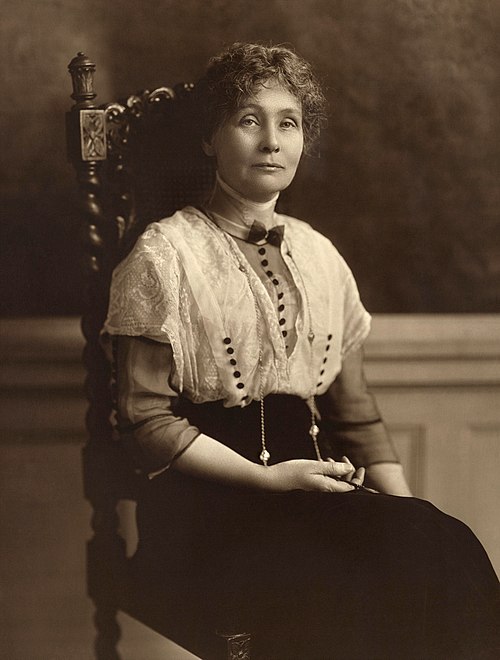
Emmeline Pankhurst
87Emmeline Pankhurst was the British suffragette leader who founded the Women's Social and Political Union (WSPU), escalated the campaign for women's votes from lobbying to direct action and civil disobedience, and led the most militant phase of the British women's suffrage movement.
Why Active in the same era · From the same civilization

Queen Victoria
85Queen Victoria was the longest-reigning British monarch of her era, who presided over the height of the British Empire and the Victorian age of industrialization, reform, and global expansion, becoming a grandmother to most of Europe's royal houses.
Why Active in the same era · From the same civilization

Agatha Christie
81Agatha Christie was an English writer, the best-selling novelist of all time, whose ingenious detective stories featuring Hercule Poirot and Miss Marple made her the undisputed "Queen of Crime".
Why Active in the same era · From the same civilization

Alan Turing
91Alan Turing was an English mathematician and computer scientist who founded theoretical computer science, helped break the German Enigma cipher in World War II, and pioneered the study of artificial intelligence.
Why Active in the same era · From the same civilization

Aldous Huxley
80Aldous Huxley was an English writer and philosopher whose dystopian novel Brave New World became one of the most influential warnings of the 20th century, imagining a future enslaved not by terror but by pleasure and conditioning.
Why Active in the same era · From the same civilization
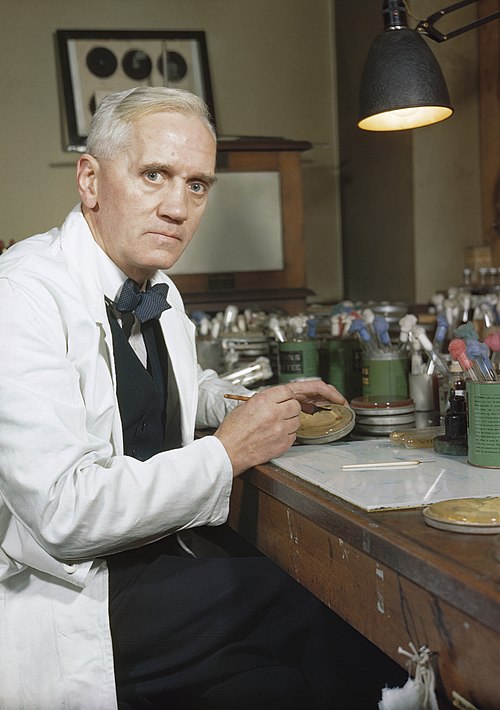
Alexander Fleming
92Alexander Fleming was the Scottish bacteriologist who discovered penicillin in 1928 — the world's first antibiotic — by noticing that mold was killing bacteria in a contaminated culture plate, an observation that ultimately saved an estimated 200 million lives.
Why Active in the same era · From the same civilization

Arthur Conan Doyle
81Arthur Conan Doyle was a British writer and physician who created Sherlock Holmes, the most famous detective in fiction, whose stories of brilliant deduction defined the detective genre and remain among the best-loved in the world.
Why Active in the same era · From the same civilization
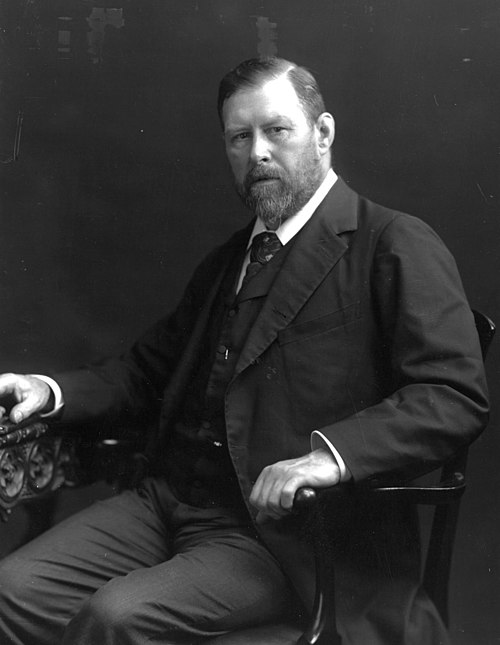
Bram Stoker
78Bram Stoker was an Irish writer and theatre manager whose 1897 Gothic novel Dracula created the modern vampire and became one of the most influential works of horror fiction ever written.
Why Active in the same era · From the same civilization

Charles Dickens
86Charles Dickens was an English novelist of the Victorian age, the most popular writer of his time and one of the greatest in the English language, whose vivid characters and social conscience defined the 19th-century novel.
Why Active in the same era · From the same civilization

Edward Jenner
92Edward Jenner was the English physician who developed the world's first vaccine — against smallpox — in 1796, using cowpox material to confer immunity, saving hundreds of millions of lives and pioneering the field of immunology.
Why Active in the same era · From the same civilization

Ernest Rutherford
90Ernest Rutherford was the New Zealand-born physicist who discovered the nuclear structure of the atom, demonstrated radioactive decay, and pioneered nuclear physics — establishing the framework that led to nuclear energy and the atomic bomb.
Why Active in the same era · From the same civilization