Statesman · 1904 – 1997
Deng Xiaoping
If you're interested in Deng Xiaoping, these historical figures share a similar impact, discipline, philosophy, or era. Each recommendation explains why the connection exists.
Similar Impact & Significance

Mao Zedong
90Mao Zedong was the founder of the People's Republic of China, who led the Chinese Communist Party to victory in the civil war, proclaimed the PRC in 1949, and then imposed radical revolutionary policies that caused tens of millions of deaths.
Why His predecessor whose disastrous policies Deng reversed, transforming China from catastrophe to economic power.
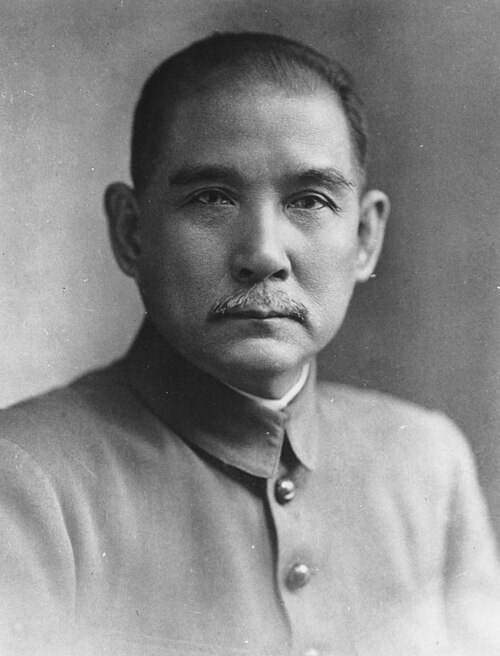
Sun Yat-sen
85Sun Yat-sen was the Chinese revolutionary and statesman who overthrew the Qing dynasty, founded the Republic of China, and became the founding father of both mainland China and Taiwan — revered by both Communists and Nationalists as the father of the Chinese nation.
Why The founding father of Chinese nationalism whose vision of a prosperous China Deng arguably did more to realize than Mao.

Augustus
94Augustus was the first Roman emperor, the heir of Julius Caesar who ended a century of civil war, established the Roman Empire, and inaugurated the Pax Romana.
Why Also a ruler & statesman · Comparable historical impact

Catherine II of Russia
87Catherine the Great was Empress of Russia for more than three decades, an enlightened despot who expanded the empire, modernized its administration, and made her court a brilliant centre of art and learning.
Why Also a ruler & statesman · Comparable historical impact

Charles Martel
81Charles Martel was the Frankish military leader who halted the Muslim advance into Western Europe at the Battle of Tours in 732, laying the foundations of the Carolingian dynasty that his grandson Charlemagne would raise to empire.
Why Also a statesman & ruler · Comparable historical impact
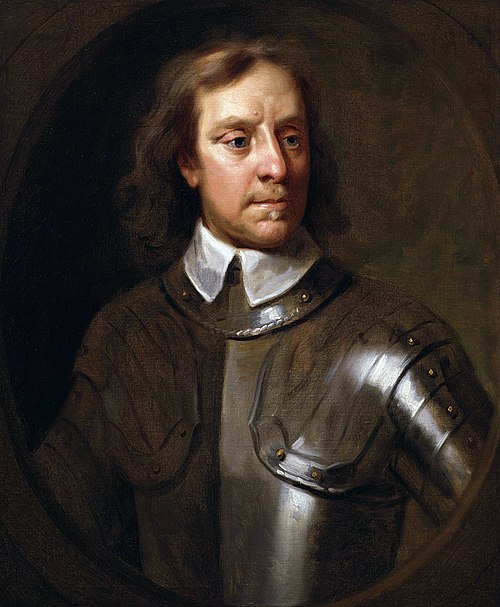
Oliver Cromwell
81Oliver Cromwell was the English military and political leader who helped overthrow and execute King Charles I in the English Civil War, then ruled England as Lord Protector in its only period as a republic — a deeply divisive figure ever since.
Why Also a statesman & ruler · Comparable historical impact
Suleiman I
90Suleiman the Magnificent was the longest-reigning sultan of the Ottoman Empire, who led it to the height of its power through military conquest, legal reform and a brilliant flowering of art and architecture.
Why Also a ruler & statesman · Comparable historical impact

Toyotomi Hideyoshi
81Toyotomi Hideyoshi was the warrior-statesman who completed the unification of Japan begun by Oda Nobunaga, rising from peasant origins to rule the entire country before launching ambitious and ill-fated invasions of Korea.
Why Also a statesman & ruler · Comparable historical impact

Umar ibn al-Khattab
84Umar ibn al-Khattab was the second Rashidun caliph, one of the most powerful and influential leaders in Islamic history, under whom the early Muslim state expanded into a vast empire and developed its foundational institutions of government.
Why Also a ruler & statesman · Comparable historical impact
Same Field or Discipline

Chiang Kai-shek
82Chiang Kai-shek was the Chinese Nationalist leader who unified China in the late 1920s, led the country through the Japanese invasion in World War II, but lost the Chinese Civil War to Mao Zedong and retreated to Taiwan, which he ruled until his death.
Why Also a statesman & ruler · Active in the same era
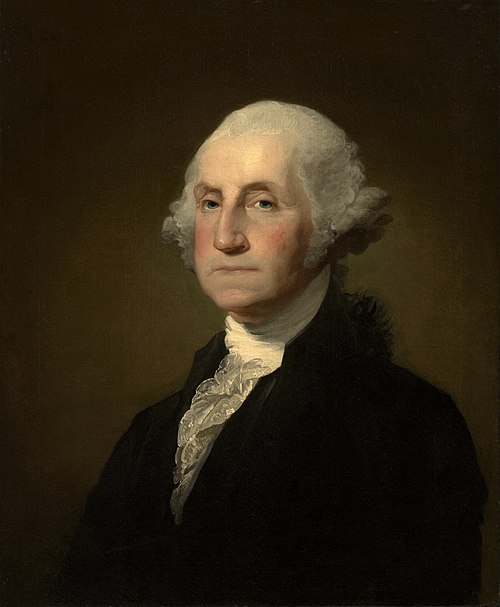
George Washington
91George Washington was the commander of the Continental Army in the American Revolution and the first President of the United States, whose leadership and restraint shaped the new republic.
Why Also a statesman & ruler · Active in the same era

Haile Selassie I
85Haile Selassie was the Emperor of Ethiopia who modernized his country, became the symbol of African resistance to European colonialism after surviving Mussolini's invasion, championed African unity at the UN and as founder of the African Union, and is venerated as a messiah by the Rastafari movement.
Why Also a ruler & statesman · Active in the same era

Simón Bolívar
88Simón Bolívar was the South American general and statesman who liberated six nations from Spanish colonial rule, earning the title El Libertador and shaping the independence of Venezuela, Colombia, Ecuador, Peru, Panama, and Bolivia.
Why Also a statesman & ruler · Active in the same era

Vladimir Lenin
92Vladimir Lenin was the Marxist revolutionary who led the Bolshevik seizure of power in Russia in 1917, founded the Soviet Union, and created the first communist state — reshaping the course of the 20th century.
Why Also a revolutionary & statesman · Active in the same era

Ho Chi Minh
88Ho Chi Minh was the Vietnamese revolutionary leader who led the resistance against French colonial rule and then American military intervention, founding the Democratic Republic of Vietnam and becoming the unifying symbol of Vietnamese independence.
Why Also a statesman · Active in the same era
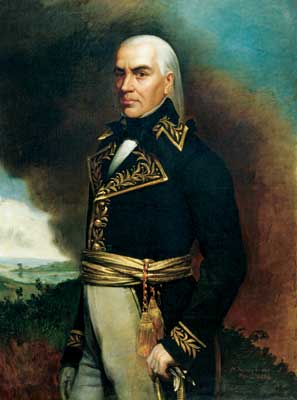
Francisco de Miranda
78Francisco de Miranda was the Venezuelan revolutionary who became the forerunner of Spanish American independence, fighting across three continents before returning home to lead Venezuela's first republic — a visionary who preceded Bolívar and inspired the liberation of Latin America.
Why Also a revolutionary & statesman · Active in the same era

Alexander Hamilton
87Alexander Hamilton was the American Founding Father who designed the United States financial system, co-wrote the Federalist Papers, founded the first national bank, served as the first Secretary of the Treasury, and was killed in a duel by Vice President Aaron Burr in 1804.
Why Also a statesman · Active in the same era

Abraham Lincoln
92Abraham Lincoln was the 16th President of the United States, who led the nation through its Civil War, preserved the Union, and abolished slavery before his assassination in 1865.
Why Also a statesman · Active in the same era

Charles de Gaulle
89Charles de Gaulle was the French military and political leader who refused to accept France's defeat in 1940, led the Free French resistance from London, liberated Paris, and later founded the Fifth Republic as president, restoring French national pride and global standing.
Why Also a statesman · Active in the same era

Che Guevara
83Che Guevara was the Argentine Marxist revolutionary who helped Fidel Castro seize power in Cuba, theorized guerrilla warfare as the path to revolution in the developing world, and became an iconic symbol of rebellion after his execution in Bolivia in 1967.
Why Also a revolutionary · Active in the same era

Duke of Wellington
87The Duke of Wellington was the British general who defeated Napoleon Bonaparte at the Battle of Waterloo in 1815, ending the Napoleonic Wars, and who subsequently served as Prime Minister of Britain — the only man to hold both the highest military and civilian offices in British history.
Why Also a statesman · Active in the same era

Franklin D. Roosevelt
92Franklin D. Roosevelt was the 32nd President of the United States who led the country through the Great Depression with the New Deal and through most of World War II, serving an unprecedented four terms and reshaping the role of the federal government in American life.
Why Also a statesman · Active in the same era

Giuseppe Garibaldi
84Giuseppe Garibaldi was the Italian nationalist military leader who united southern Italy with the north through his bold expedition of the Thousand, becoming the military hero of Italian unification and one of the most celebrated revolutionary figures of the 19th century.
Why Also a revolutionary · Active in the same era

Jawaharlal Nehru
88Jawaharlal Nehru was India's first Prime Minister, who guided the country's independence from Britain, built its democratic institutions, launched industrialization and scientific development, and co-founded the Non-Aligned Movement of nations uncommitted to either Cold War superpower.
Why Also a statesman · Active in the same era