Theologian · 1369 – 1415
Jan Hus
If you're interested in Jan Hus, these historical figures share a similar impact, discipline, philosophy, or era. Each recommendation explains why the connection exists.
Similar Impact & Significance
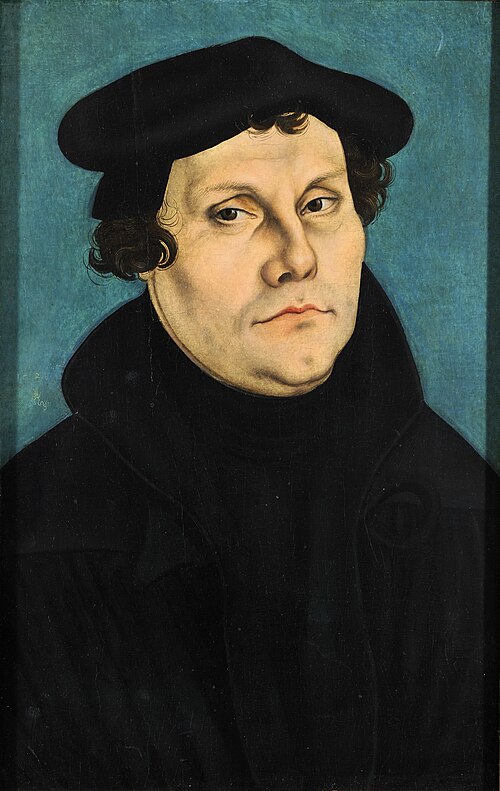
Martin Luther
91Martin Luther was a German theologian and reformer whose challenge to the Catholic Church sparked the Protestant Reformation and reshaped the religious, political and cultural landscape of Europe.
Why His direct spiritual successor who launched the Reformation a century later, explicitly calling himself a Hussite and citing Hus's martyrdom as his inspiration.

Erasmus
80Erasmus was a Dutch humanist, scholar and writer, the leading intellectual of the Northern Renaissance, whose satire In Praise of Folly and pioneering edition of the Greek New Testament shaped both literature and the coming Reformation.
Why A later reformer who shared Hus's desire to cleanse the church from within — though Erasmus, unlike Hus and Luther, refused to break from Rome.

Thomas Aquinas
91Thomas Aquinas was a medieval Italian theologian and philosopher whose synthesis of Christian theology and Aristotelian philosophy became central to Catholic thought and the high point of scholasticism.
Why The great scholastic theologian whose tradition Hus was trained in and eventually challenged, representing the institutional church Hus sought to reform.

John Calvin
86John Calvin was the French theologian and reformer who developed Calvinism, founded the Reformed tradition of Protestantism, and governed Geneva as a theocracy whose model of disciplined Christian community shaped Puritanism, Presbyterianism, and ultimately the foundations of modern democracy.
Why Also a theologian & reformer · Comparable historical impact

Augustine of Hippo
92Augustine of Hippo was a Roman North African theologian and philosopher whose works, including Confessions and City of God, shaped Western Christianity and laid intellectual foundations for medieval and modern thought.
Why Also a theologian · Comparable historical impact

Florence Nightingale
86Florence Nightingale was an English social reformer and statistician, the founder of modern nursing, whose work in the Crimean War and pioneering use of data transformed hospital care and public health.
Why Also a reformer · Comparable historical impact

Sojourner Truth
85Sojourner Truth was the American abolitionist and women's rights activist who escaped slavery and became one of the most powerful orators of the 19th century, famous for her "Ain't I a Woman?" speech challenging the intersection of race and gender oppression.
Why Also a preacher · Comparable historical impact

Woodrow Wilson
84Woodrow Wilson was the 28th President of the United States who led the country through World War I, proposed the League of Nations — the first international organization for collective security — and articulated the principle of national self-determination that reshaped the post-war world.
Why Also a academic · Comparable historical impact

Charles Martel
81Charles Martel was the Frankish military leader who halted the Muslim advance into Western Europe at the Battle of Tours in 732, laying the foundations of the Carolingian dynasty that his grandson Charlemagne would raise to empire.
Why Active in the same era · Comparable historical impact

Clovis I
80Clovis I was the king who united the Frankish tribes into a single kingdom and converted to Catholic Christianity, founding the Merovingian dynasty and laying the foundations of medieval France.
Why Active in the same era · Comparable historical impact

El Cid
81El Cid was the Castilian knight and military leader who conquered Valencia and held it as an independent principality, becoming the greatest hero of medieval Spain and the subject of the earliest Spanish epic poem.
Why Active in the same era · Comparable historical impact

Eleanor of Aquitaine
86Eleanor of Aquitaine was the most powerful woman of 12th-century Europe — queen of France, then queen of England, mother of Richard the Lionheart and King John, patron of troubadour culture, and crusader — who wielded political power across seven decades.
Why Active in the same era · Comparable historical impact

Frederick Barbarossa
80Frederick Barbarossa was the Holy Roman Emperor who sought to restore imperial power over Germany and Italy, a towering figure of the 12th century whose long reign and legendary death on crusade made him a German national myth.
Why Active in the same era · Comparable historical impact

Mary Queen of Scots
82Mary Queen of Scots was the queen of Scotland and briefly queen of France whose Catholic faith, claim to the English throne, and tragic fate made her the central figure in the religious and political struggles of 16th-century Britain — executed by her cousin Elizabeth I after nineteen years of imprisonment.
Why From the same civilization · Comparable historical impact
Same Field or Discipline

Francis of Assisi
87Francis of Assisi was the Italian friar who founded the Franciscan order, embraced radical poverty, preached to birds and animals, and created a spirituality of joy, simplicity, and care for all creation that became one of the most beloved expressions of Christianity.
Why Also a theologian & preacher · Active in the same era

Hildegard of Bingen
84Hildegard of Bingen was a German Benedictine abbess and one of the most remarkable polymaths of the Middle Ages — a visionary, composer, writer, healer and natural philosopher.
Why Also a theologian · Active in the same era

Rumi
81Rumi was a 13th-century Persian poet and Sufi mystic whose ecstatic verse on divine love became some of the most beloved poetry in the world and made him, centuries later, one of the most widely read poets in the West.
Why Also a theologian · Active in the same era
Same Era or Civilization

Thomas Becket
82Thomas Becket was the Archbishop of Canterbury who was murdered in his own cathedral on the orders (implied or direct) of King Henry II, becoming an instant martyr and saint whose shrine at Canterbury became medieval Europe's most visited pilgrimage site.
Why Active in the same era · From the same civilization

Alfred the Great
80Alfred the Great was the king of Wessex who defended Anglo-Saxon England against the Vikings, reformed law, learning and defense, and is the only English monarch ever called "the Great".
Why Active in the same era · From the same civilization

Geoffrey Chaucer
81Geoffrey Chaucer was an English poet and civil servant of the 14th century, called the "Father of English literature", whose Canterbury Tales established English as a language worthy of great poetry.
Why Active in the same era · From the same civilization

Richard the Lionheart
80Richard the Lionheart was the king of England and a leading commander of the Third Crusade, a warrior-king whose courage and skill in battle against Saladin made him one of the most famous monarchs of the Middle Ages.
Why Active in the same era · From the same civilization

Robert the Bruce
83Robert the Bruce was the Scottish king who won Scottish independence from England, defeating Edward II's army at the Battle of Bannockburn in 1314 and securing recognition of Scottish sovereignty in the Treaty of Edinburgh-Northampton in 1328.
Why Active in the same era · From the same civilization
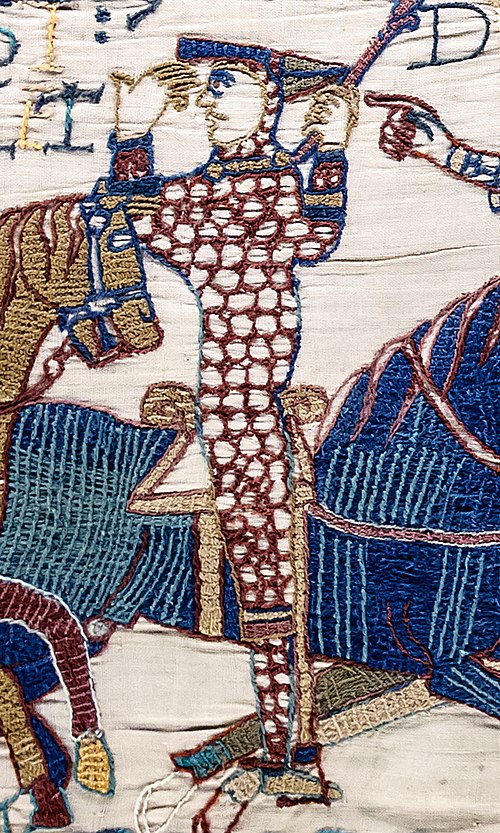
William the Conqueror
84William the Conqueror was the Duke of Normandy who invaded England in 1066, won the Battle of Hastings, and became its king, transforming English society, language and government in one of the most consequential conquests in history.
Why Active in the same era · From the same civilization

William Wallace
82William Wallace was the Scottish knight who led the first great uprising against English rule, winning the Battle of Stirling Bridge in 1297, serving as Guardian of Scotland, and enduring a brutal execution that made him the enduring martyr-hero of Scottish independence.
Why Active in the same era · From the same civilization