Composer · 1098 – 1179
Hildegard of Bingen
If you're interested in Hildegard of Bingen, these historical figures share a similar impact, discipline, philosophy, or era. Each recommendation explains why the connection exists.
Similar Impact & Significance

Thomas Aquinas
91Thomas Aquinas was a medieval Italian theologian and philosopher whose synthesis of Christian theology and Aristotelian philosophy became central to Catholic thought and the high point of scholasticism.
Why A fellow towering figure of medieval Christian intellectual life, in a different generation and mode.
Hypatia
84Hypatia was a mathematician, astronomer and Neoplatonist philosopher of late-antique Alexandria, the most prominent woman scholar of the ancient world, whose brutal murder came to symbolize the end of classical learning.
Why An earlier woman scholar who, like Hildegard, achieved rare intellectual prominence in a male-dominated world.

Augustine of Hippo
92Augustine of Hippo was a Roman North African theologian and philosopher whose works, including Confessions and City of God, shaped Western Christianity and laid intellectual foundations for medieval and modern thought.
Why Also a theologian & writer · Comparable historical impact
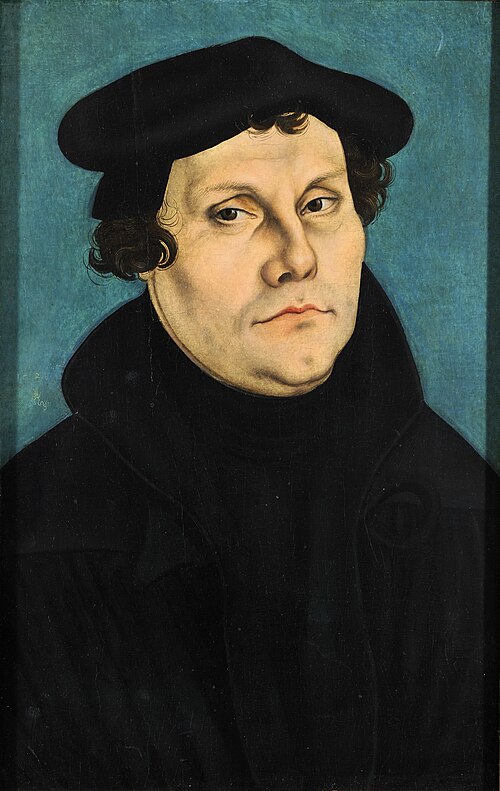
Martin Luther
91Martin Luther was a German theologian and reformer whose challenge to the Catholic Church sparked the Protestant Reformation and reshaped the religious, political and cultural landscape of Europe.
Why Also a theologian & writer · Comparable historical impact

Erasmus
80Erasmus was a Dutch humanist, scholar and writer, the leading intellectual of the Northern Renaissance, whose satire In Praise of Folly and pioneering edition of the Greek New Testament shaped both literature and the coming Reformation.
Why Also a writer & theologian · Comparable historical impact

Jean-Jacques Rousseau
90Jean-Jacques Rousseau was a Genevan-French philosopher, writer, and composer whose ideas on the social contract, the general will, and natural human goodness shaped modern political thought, education, and the Romantic movement.
Why Also a writer & composer · Comparable historical impact

Rabindranath Tagore
81Rabindranath Tagore was a Bengali poet, writer, composer and polymath who reshaped Indian literature and music and, in 1913, became the first non-European to win the Nobel Prize in Literature.
Why Also a writer & composer · Comparable historical impact

Emily Dickinson
80Emily Dickinson was an American poet who lived in near-seclusion and published almost nothing in her lifetime, yet whose nearly 1,800 original, compressed poems made her, after her death, one of the most important poets in the English language.
Why Also a writer · Comparable historical impact

Frédéric Chopin
88Frédéric Chopin was a Polish-French Romantic composer and virtuoso pianist whose deeply expressive works for solo piano — nocturnes, études, polonaises and mazurkas — made him one of the most influential composers for the instrument.
Why Also a composer · Comparable historical impact
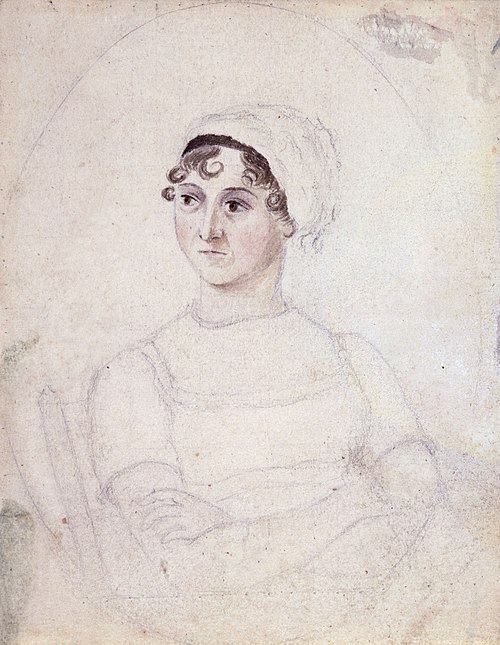
Jane Austen
88Jane Austen was an English novelist whose witty, incisive novels of manners, including Pride and Prejudice and Emma, are masterpieces of English literature and remain enduringly popular.
Why Also a writer · Comparable historical impact

Mary Wollstonecraft
85Mary Wollstonecraft was an English Enlightenment writer and philosopher, a pioneer of feminist thought whose A Vindication of the Rights of Woman argued for the education and equality of women.
Why Also a writer · Comparable historical impact
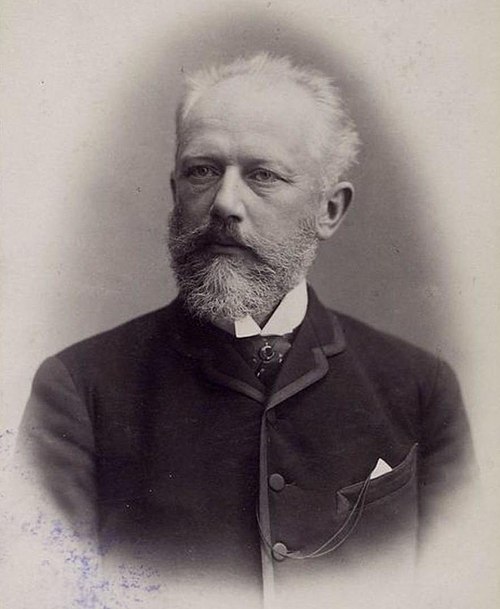
Pyotr Ilyich Tchaikovsky
89Pyotr Ilyich Tchaikovsky was a Russian Romantic composer whose richly emotional music — including the ballets Swan Lake and The Nutcracker and the 1812 Overture — made him one of the most popular and widely performed composers in the world.
Why Also a composer · Comparable historical impact

Agatha Christie
81Agatha Christie was an English writer, the best-selling novelist of all time, whose ingenious detective stories featuring Hercule Poirot and Miss Marple made her the undisputed "Queen of Crime".
Why Also a writer · Comparable historical impact

Aldous Huxley
80Aldous Huxley was an English writer and philosopher whose dystopian novel Brave New World became one of the most influential warnings of the 20th century, imagining a future enslaved not by terror but by pleasure and conditioning.
Why Also a writer · Comparable historical impact

Alexandre Dumas
81Alexandre Dumas was a French writer whose swashbuckling historical novels — The Three Musketeers and The Count of Monte Cristo — became some of the most popular and widely adapted stories in the world.
Why Also a writer · Comparable historical impact
Same Field or Discipline

Averroes
87Averroes was a philosopher and polymath of Al-Andalus whose commentaries on Aristotle profoundly shaped medieval European philosophy and the relationship between reason and faith.
Why Also a polymath · Worked in medicine

Avicenna
90Avicenna was a Persian polymath of the Islamic Golden Age, one of the greatest physicians and philosophers of the medieval world, whose Canon of Medicine was a standard text for six centuries.
Why Also a polymath · Worked in medicine
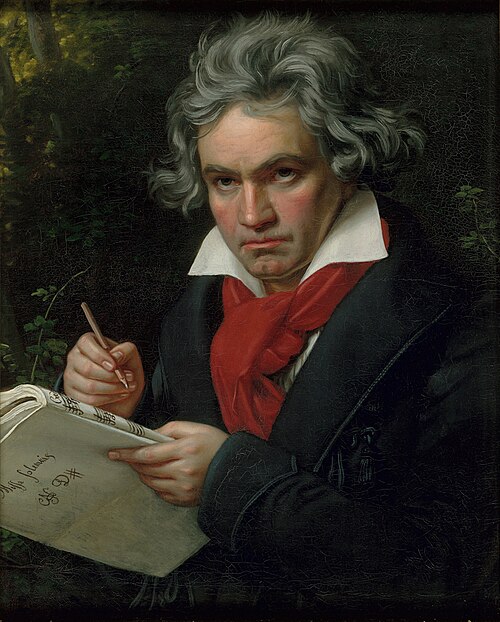
Ludwig van Beethoven
94Ludwig van Beethoven was a German composer and pianist, one of the greatest musicians in history, who bridged the Classical and Romantic eras and composed masterpieces even after going deaf.
Why Also a composer · Worked in music

Alexander von Humboldt
81Alexander von Humboldt was a Prussian naturalist and explorer whose pioneering expeditions and best-selling books — including the vast Cosmos — founded modern geography and ecology and made him one of the most famous scientists and authors of his age.
Why Also a writer · Worked in natural history

Dante Alighieri
93Dante Alighieri was an Italian poet of the late Middle Ages whose masterpiece, the Divine Comedy, is considered one of the greatest works of world literature and helped establish the Italian language.
Why Also a writer · Active in the same era

Marco Polo
84Marco Polo was a Venetian merchant and explorer whose travels across Asia to the court of Kublai Khan, recorded in The Travels of Marco Polo, gave medieval Europe its most influential account of the East.
Why Also a writer · Active in the same era

Geoffrey Chaucer
81Geoffrey Chaucer was an English poet and civil servant of the 14th century, called the "Father of English literature", whose Canterbury Tales established English as a language worthy of great poetry.
Why Also a writer · Active in the same era

Murasaki Shikibu
80Murasaki Shikibu was a Japanese noblewoman and writer of the Heian court whose Tale of Genji, written around 1010, is often called the world's first novel and a masterpiece of world literature.
Why Also a writer · Active in the same era

Rumi
81Rumi was a 13th-century Persian poet and Sufi mystic whose ecstatic verse on divine love became some of the most beloved poetry in the world and made him, centuries later, one of the most widely read poets in the West.
Why Also a theologian · Active in the same era