Nurse · 1820 – 1910
Florence Nightingale
If you're interested in Florence Nightingale, these historical figures share a similar impact, discipline, philosophy, or era. Each recommendation explains why the connection exists.
Similar Impact & Significance

Hippocrates
88Hippocrates was an ancient Greek physician regarded as the father of Western medicine, who established medicine as a rational discipline distinct from superstition and inspired the Hippocratic Oath.
Why The ancient founder of rational medicine, a tradition Nightingale advanced into the modern hospital.

Mary Wollstonecraft
85Mary Wollstonecraft was an English Enlightenment writer and philosopher, a pioneer of feminist thought whose A Vindication of the Rights of Woman argued for the education and equality of women.
Why An earlier reformer who, like Nightingale, expanded the public roles open to women.
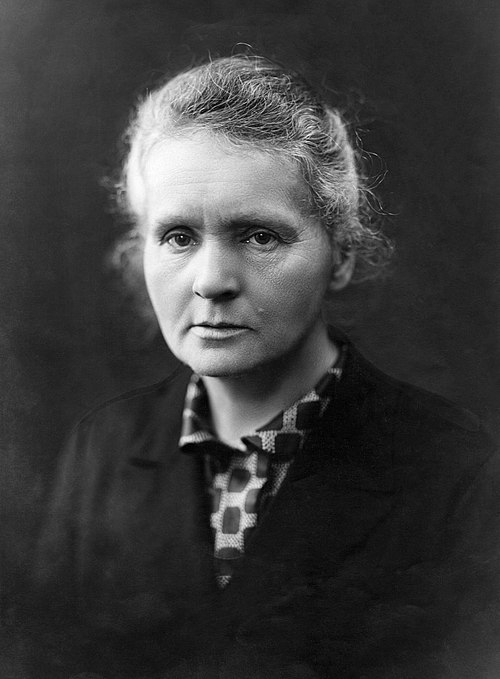
Marie Curie
92Marie Curie was a Polish-French physicist and chemist who pioneered research on radioactivity and became the first person to win Nobel Prizes in two different sciences.
Why Another woman whose scientific work transformed medicine and saved lives.

Avicenna
90Avicenna was a Persian polymath of the Islamic Golden Age, one of the greatest physicians and philosophers of the medieval world, whose Canon of Medicine was a standard text for six centuries.
Why Worked in medicine · Comparable historical impact

Hildegard of Bingen
84Hildegard of Bingen was a German Benedictine abbess and one of the most remarkable polymaths of the Middle Ages — a visionary, composer, writer, healer and natural philosopher.
Why Worked in medicine · Comparable historical impact
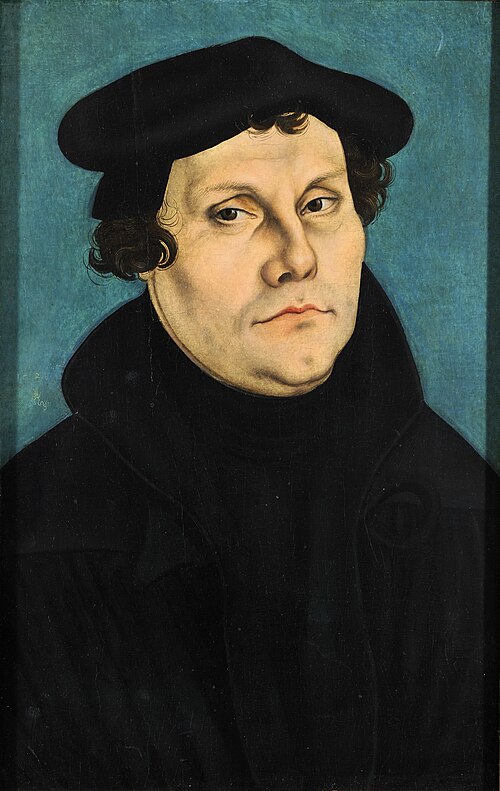
Martin Luther
91Martin Luther was a German theologian and reformer whose challenge to the Catholic Church sparked the Protestant Reformation and reshaped the religious, political and cultural landscape of Europe.
Why Also a reformer · Comparable historical impact
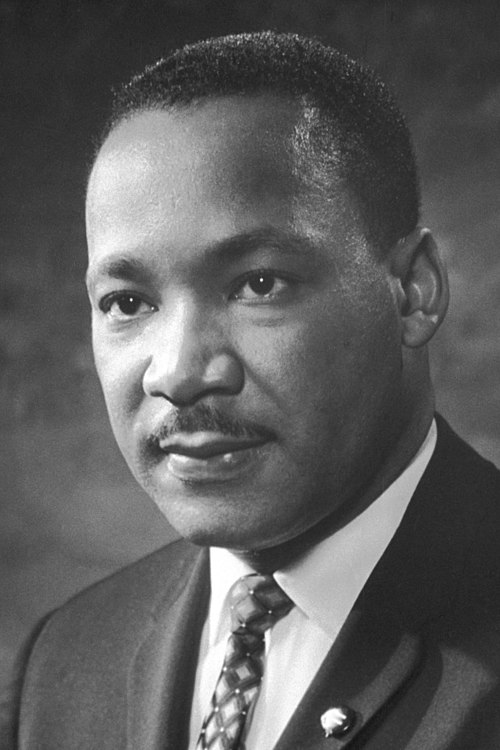
Martin Luther King Jr.
95Martin Luther King Jr. was an American Baptist minister and civil rights leader who championed nonviolent resistance to racial injustice and became the most prominent voice of the movement for equality in the United States.
Why Also a reformer · Comparable historical impact

Averroes
87Averroes was a philosopher and polymath of Al-Andalus whose commentaries on Aristotle profoundly shaped medieval European philosophy and the relationship between reason and faith.
Why Worked in medicine · Comparable historical impact
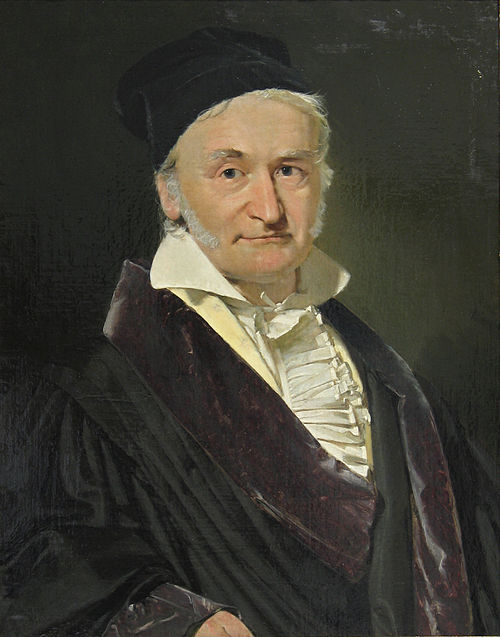
Carl Friedrich Gauss
95Carl Friedrich Gauss was a German mathematician and physicist whose profound contributions to number theory, statistics, geometry, astronomy and magnetism earned him the title "Prince of Mathematicians."
Why Active in the same era · Comparable historical impact

Dmitri Mendeleev
88Dmitri Mendeleev was a Russian chemist who created the periodic table of the elements, one of the most important organizing principles in all of science.
Why Active in the same era · Comparable historical impact

Gregor Mendel
84Gregor Mendel was an Austrian friar and scientist whose experiments on pea plants revealed the basic laws of heredity, earning him recognition as the father of modern genetics.
Why Active in the same era · Comparable historical impact

Karl Marx
95Karl Marx was a German philosopher, economist, and revolutionary whose theories of historical materialism and class struggle, set out in The Communist Manifesto and Das Kapital, became among the most influential and contested ideas in modern history.
Why Active in the same era · Comparable historical impact
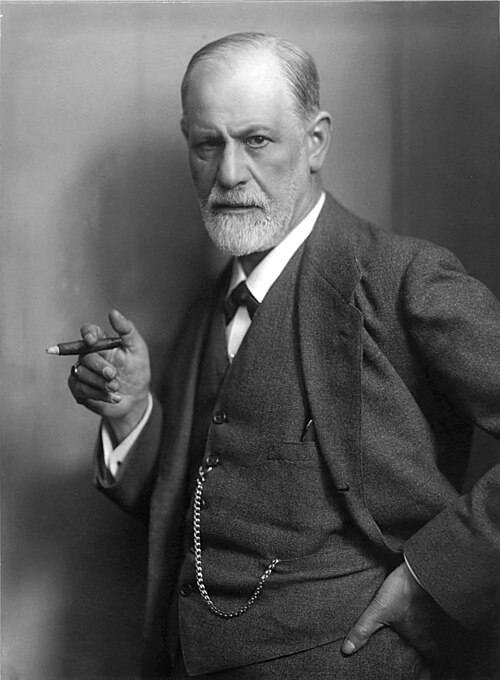
Sigmund Freud
86Sigmund Freud was an Austrian neurologist who founded psychoanalysis, a revolutionary theory and therapy of the unconscious mind whose ideas about dreams, sexuality and the self transformed psychology, medicine and modern culture.
Why Worked in medicine · Comparable historical impact

Thomas Edison
88Thomas Edison was an American inventor and businessman whose innovations — including a practical electric light, the phonograph and systems for distributing electricity — helped create the modern industrial world.
Why Active in the same era · Comparable historical impact

Agatha Christie
81Agatha Christie was an English writer, the best-selling novelist of all time, whose ingenious detective stories featuring Hercule Poirot and Miss Marple made her the undisputed "Queen of Crime".
Why From the same civilization · Comparable historical impact

Alan Turing
91Alan Turing was an English mathematician and computer scientist who founded theoretical computer science, helped break the German Enigma cipher in World War II, and pioneered the study of artificial intelligence.
Why From the same civilization · Comparable historical impact
Same Field or Discipline

Same Era or Civilization

Ada Lovelace
84Ada Lovelace was an English mathematician widely regarded as the first computer programmer, who saw that Charles Babbage's Analytical Engine could go beyond calculation to manipulate symbols of any kind.
Why Active in the same era · From the same civilization

Charles Darwin
96Charles Darwin was an English naturalist whose theory of evolution by natural selection became the unifying foundation of modern biology and transformed humanity's understanding of life.
Why Active in the same era · From the same civilization

James Clerk Maxwell
92James Clerk Maxwell was a Scottish physicist whose equations unified electricity, magnetism and light into a single electromagnetic theory, one of the greatest achievements in the history of physics.
Why Active in the same era · From the same civilization
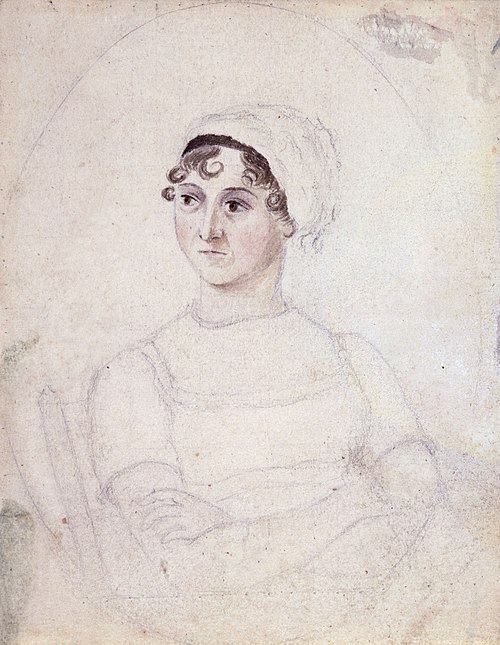
Jane Austen
88Jane Austen was an English novelist whose witty, incisive novels of manners, including Pride and Prejudice and Emma, are masterpieces of English literature and remain enduringly popular.
Why Active in the same era · From the same civilization

Michael Faraday
93Michael Faraday was an English scientist whose discoveries in electromagnetism and electrochemistry, above all electromagnetic induction, laid the experimental foundation of the electrical age.
Why Active in the same era · From the same civilization

Charles Dickens
86Charles Dickens was an English novelist of the Victorian age, the most popular writer of his time and one of the greatest in the English language, whose vivid characters and social conscience defined the 19th-century novel.
Why Active in the same era · From the same civilization
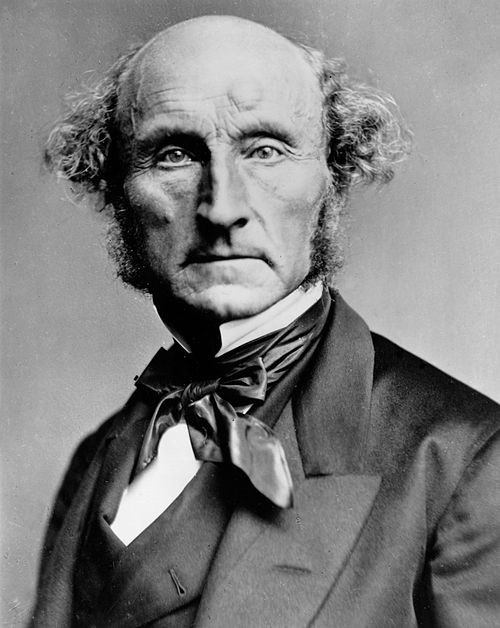
John Stuart Mill
87John Stuart Mill was an English philosopher and economist, the leading liberal thinker of the nineteenth century, whose works on utilitarianism, liberty, and the rights of women shaped modern political and ethical thought.
Why Active in the same era · From the same civilization