Caliph · 584 – 644
Umar ibn al-Khattab
If you're interested in Umar ibn al-Khattab, these historical figures share a similar impact, discipline, philosophy, or era. Each recommendation explains why the connection exists.
Similar Impact & Significance

Khalid ibn al-Walid
80Khalid ibn al-Walid was one of the greatest military commanders in history, the general whose undefeated campaigns won the early Islamic conquests of Arabia, Persia and the Roman Levant for the first caliphs.
Why The brilliant general whose victories won the conquests during Umar's caliphate.

Harun al-Rashid
81Harun al-Rashid was the fifth Abbasid caliph, under whom the Islamic empire reached the height of its wealth, power and cultural splendor, ruling from Baghdad in an age immortalized in the tales of the Thousand and One Nights.
Why A later caliph of the Abbasid golden age that grew from the empire Umar expanded.

Cyrus the Great
90Cyrus the Great was the founder of the Achaemenid Persian Empire, the largest empire the ancient world had yet seen, remembered for his military genius and his tolerance toward conquered peoples.
Why The founder of the Persian Empire that fell to the Muslim armies under Umar.

Augustus
94Augustus was the first Roman emperor, the heir of Julius Caesar who ended a century of civil war, established the Roman Empire, and inaugurated the Pax Romana.
Why Also a ruler & statesman · Comparable historical impact

Catherine II of Russia
87Catherine the Great was Empress of Russia for more than three decades, an enlightened despot who expanded the empire, modernized its administration, and made her court a brilliant centre of art and learning.
Why Also a ruler & statesman · Comparable historical impact

Charles Martel
81Charles Martel was the Frankish military leader who halted the Muslim advance into Western Europe at the Battle of Tours in 732, laying the foundations of the Carolingian dynasty that his grandson Charlemagne would raise to empire.
Why Also a statesman & ruler · Comparable historical impact

Chiang Kai-shek
82Chiang Kai-shek was the Chinese Nationalist leader who unified China in the late 1920s, led the country through the Japanese invasion in World War II, but lost the Chinese Civil War to Mao Zedong and retreated to Taiwan, which he ruled until his death.
Why Also a statesman & ruler · Comparable historical impact
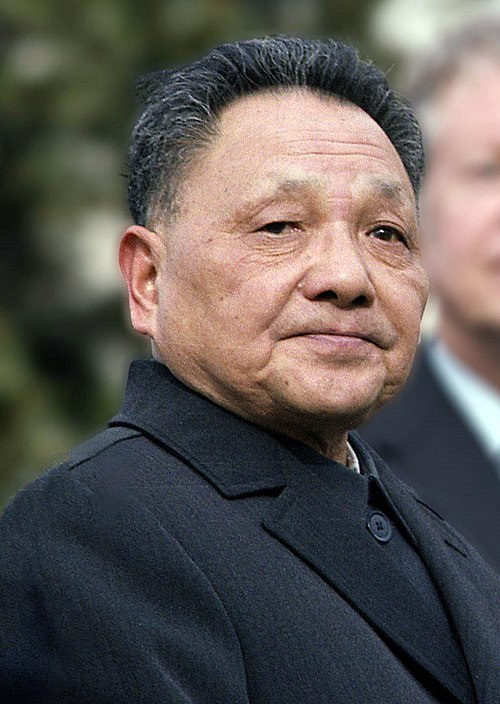
Deng Xiaoping
89Deng Xiaoping was the Chinese leader who reversed Mao Zedong's catastrophic policies after 1978, opening China to market reforms that transformed it from a poor agrarian country into the world's second-largest economy.
Why Also a statesman & ruler · Comparable historical impact
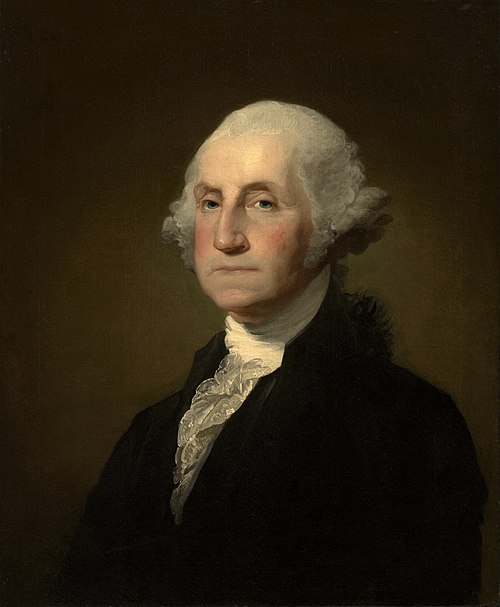
George Washington
91George Washington was the commander of the Continental Army in the American Revolution and the first President of the United States, whose leadership and restraint shaped the new republic.
Why Also a statesman & ruler · Comparable historical impact

Haile Selassie I
85Haile Selassie was the Emperor of Ethiopia who modernized his country, became the symbol of African resistance to European colonialism after surviving Mussolini's invasion, championed African unity at the UN and as founder of the African Union, and is venerated as a messiah by the Rastafari movement.
Why Also a ruler & statesman · Comparable historical impact

Mao Zedong
90Mao Zedong was the founder of the People's Republic of China, who led the Chinese Communist Party to victory in the civil war, proclaimed the PRC in 1949, and then imposed radical revolutionary policies that caused tens of millions of deaths.
Why Also a statesman & ruler · Comparable historical impact
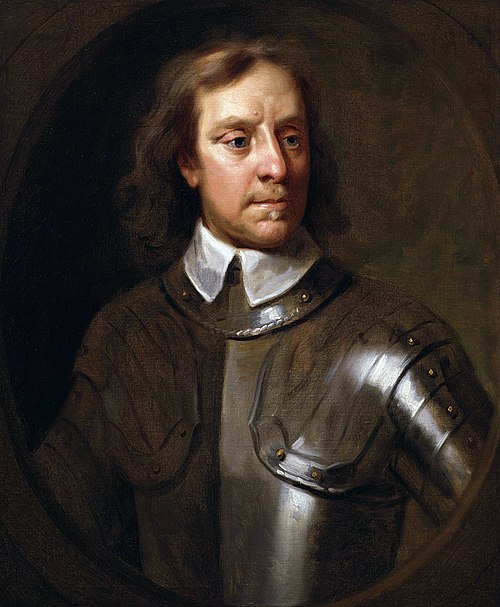
Oliver Cromwell
81Oliver Cromwell was the English military and political leader who helped overthrow and execute King Charles I in the English Civil War, then ruled England as Lord Protector in its only period as a republic — a deeply divisive figure ever since.
Why Also a statesman & ruler · Comparable historical impact

Simón Bolívar
88Simón Bolívar was the South American general and statesman who liberated six nations from Spanish colonial rule, earning the title El Libertador and shaping the independence of Venezuela, Colombia, Ecuador, Peru, Panama, and Bolivia.
Why Also a statesman & ruler · Comparable historical impact
Suleiman I
90Suleiman the Magnificent was the longest-reigning sultan of the Ottoman Empire, who led it to the height of its power through military conquest, legal reform and a brilliant flowering of art and architecture.
Why Also a ruler & statesman · Comparable historical impact

Toyotomi Hideyoshi
81Toyotomi Hideyoshi was the warrior-statesman who completed the unification of Japan begun by Oda Nobunaga, rising from peasant origins to rule the entire country before launching ambitious and ill-fated invasions of Korea.
Why Also a statesman & ruler · Comparable historical impact

Mehmed II
88Mehmed II was the Ottoman sultan who conquered Constantinople in 1453, ending the Byzantine Empire and the Middle Ages, transforming the city into Istanbul and making the Ottoman Empire the dominant power of the Eastern Mediterranean.
Why Also a ruler · Comparable historical impact

Atahualpa
78Atahualpa was the last independent ruler of the Inca Empire, who had just won a civil war for the throne when he was captured and executed by the Spanish conquistador Francisco Pizarro, ending Inca rule over the Andes.
Why Also a ruler · Comparable historical impact

Babur
81Babur was the Central Asian conqueror who founded the Mughal Empire, a descendant of Tamerlane and Genghis Khan who, after losing his ancestral lands, invaded India and established one of the greatest empires in its history.
Why Also a ruler · Comparable historical impact

Montezuma II
79Montezuma II was the ninth ruler of the Aztec Empire, who presided over its greatest extent and splendor before the arrival of the Spanish under Hernán Cortés led to his death and the empire's fall.
Why Also a ruler · Comparable historical impact

Tamerlane
81Tamerlane was a Turco-Mongol conqueror who built a vast empire from Central Asia, the last of the great steppe conquerors, whose brilliant and brutal campaigns made him master of much of the Islamic world while his capital Samarkand flourished.
Why Also a ruler · Comparable historical impact
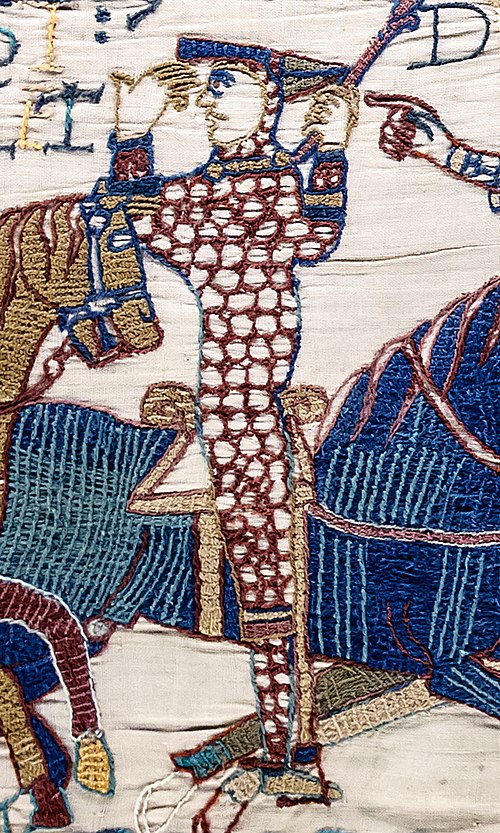
William the Conqueror
84William the Conqueror was the Duke of Normandy who invaded England in 1066, won the Battle of Hastings, and became its king, transforming English society, language and government in one of the most consequential conquests in history.
Why Also a ruler · Comparable historical impact

Abraham Lincoln
92Abraham Lincoln was the 16th President of the United States, who led the nation through its Civil War, preserved the Union, and abolished slavery before his assassination in 1865.
Why Also a statesman · Comparable historical impact

Abu'l-Fath Jalal-ud-din Muhammad Akbar
88Akbar was the third Mughal emperor, who expanded the empire across much of the Indian subcontinent and is remembered for his administrative reforms, religious tolerance and patronage of the arts during a long and powerful reign.
Why Also a ruler · Comparable historical impact

Akhenaten
78Akhenaten was an Egyptian pharaoh of the Eighteenth Dynasty who launched a religious revolution, replacing Egypt's many gods with the worship of a single deity, the sun-disc Aten — one of the earliest experiments with monotheism.
Why Also a ruler · Comparable historical impact