Empress · 1717 – 1780
Maria Theresa
If you're interested in Maria Theresa, these historical figures share a similar impact, discipline, philosophy, or era. Each recommendation explains why the connection exists.
Similar Impact & Significance

Frederick the Great
83Frederick the Great was the king of Prussia who made it a major European power through brilliant generalship and enlightened reform, a warrior-king and patron of the arts who embodied the ideal of the "enlightened despot".
Why Her great rival, who seized Silesia from her and fought her in two major wars.

Catherine II of Russia
87Catherine the Great was Empress of Russia for more than three decades, an enlightened despot who expanded the empire, modernized its administration, and made her court a brilliant centre of art and learning.
Why A contemporary female ruler and fellow reforming monarch of the age.

Peter the Great
85Peter the Great was the Russian tsar who transformed Russia into a major European power, modernizing its army, government and society along Western lines and founding the new capital of Saint Petersburg.
Why An earlier reforming monarch whose modernization of his empire paralleled her own.

Queen Victoria
85Queen Victoria was the longest-reigning British monarch of her era, who presided over the height of the British Empire and the Victorian age of industrialization, reform, and global expansion, becoming a grandmother to most of Europe's royal houses.
Why Also a queen & empress · Comparable historical impact

Boudicca
80Boudicca was the queen of the Iceni tribe who led a major uprising against Roman rule in Britain around 60–61 CE, sacking Camulodunum, Londinium, and Verulamium before being defeated by the Roman governor Paulinus.
Why Also a queen & ruler · Comparable historical impact

Cleopatra VII
90Cleopatra VII was the last active ruler of the Ptolemaic Kingdom of Egypt, a shrewd and learned monarch whose alliances with Julius Caesar and Mark Antony placed her at the center of Roman politics.
Why Also a ruler & queen · Comparable historical impact

Eleanor of Aquitaine
86Eleanor of Aquitaine was the most powerful woman of 12th-century Europe — queen of France, then queen of England, mother of Richard the Lionheart and King John, patron of troubadour culture, and crusader — who wielded political power across seven decades.
Why Also a queen & ruler · Comparable historical impact

Elizabeth I
89Elizabeth I was Queen of England from 1558 to 1603, whose long and stable reign — the Elizabethan era — saw a golden age of culture, the defeat of the Spanish Armada, and England's rise as a sea power.
Why Also a queen & ruler · Comparable historical impact

Hatshepsut
83Hatshepsut was one of the few women to rule ancient Egypt as pharaoh in her own right, a peaceful and prosperous reign marked by ambitious building projects and far-reaching trade.
Why Also a ruler & queen · Comparable historical impact

Isabella I of Castile
83Isabella I of Castile was the queen whose marriage to Ferdinand of Aragon united Spain, who completed the Reconquista by conquering Granada, and who sponsored the voyage of Christopher Columbus that opened the Americas to Europe.
Why Also a queen & ruler · Comparable historical impact

Mary Queen of Scots
82Mary Queen of Scots was the queen of Scotland and briefly queen of France whose Catholic faith, claim to the English throne, and tragic fate made her the central figure in the religious and political struggles of 16th-century Britain — executed by her cousin Elizabeth I after nineteen years of imprisonment.
Why Also a queen & ruler · Comparable historical impact

Nefertiti
79Nefertiti was an Egyptian queen, principal wife of the pharaoh Akhenaten, who wielded unusual power during his religious revolution and whose painted limestone bust is one of the most admired images of the ancient world.
Why Also a queen & ruler · Comparable historical impact

Theodora
84Theodora was the Byzantine empress who co-ruled with Justinian I, saved his throne through her courage at the Nika riots, influenced imperial policy on women's rights and religious affairs, and rose from humble origins to become one of antiquity's most powerful women.
Why Also a empress & ruler · Comparable historical impact

Wu Zetian
86Wu Zetian was the only woman in Chinese history to rule as emperor in her own name, founding the Zhou dynasty, governing China at the height of Tang power, and expanding the civil examination system to build a meritocratic bureaucracy.
Why Also a empress & ruler · Comparable historical impact
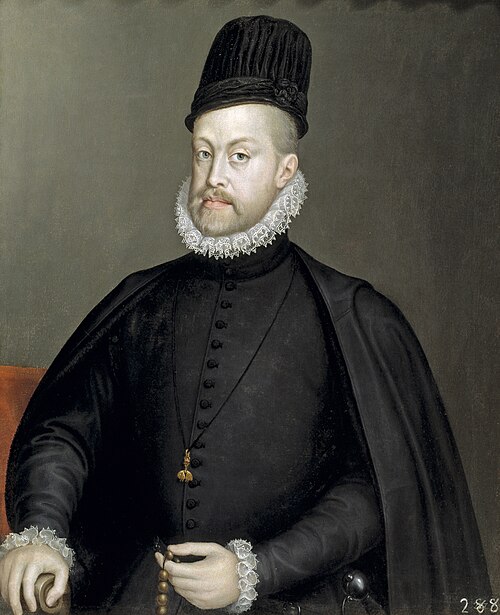
Philip II of Spain
83Philip II was the king of Spain who ruled the first global empire "on which the sun never set", a devout and powerful monarch whose reign marked the height of Spanish power, the defense of Catholicism, and the famous defeat of the Spanish Armada.
Why Also a ruler · Comparable historical impact

Abu'l-Fath Jalal-ud-din Muhammad Akbar
88Akbar was the third Mughal emperor, who expanded the empire across much of the Indian subcontinent and is remembered for his administrative reforms, religious tolerance and patronage of the arts during a long and powerful reign.
Why Also a ruler · Comparable historical impact

Akhenaten
78Akhenaten was an Egyptian pharaoh of the Eighteenth Dynasty who launched a religious revolution, replacing Egypt's many gods with the worship of a single deity, the sun-disc Aten — one of the earliest experiments with monotheism.
Why Also a ruler · Comparable historical impact

Alfred the Great
80Alfred the Great was the king of Wessex who defended Anglo-Saxon England against the Vikings, reformed law, learning and defense, and is the only English monarch ever called "the Great".
Why Also a ruler · Comparable historical impact

Ashoka the Great
90Ashoka was the third emperor of the Maurya Empire who, after a devastating war, embraced Buddhism and non-violence, becoming one of history's most remarkable rulers.
Why Also a ruler · Comparable historical impact
Same Field or Discipline
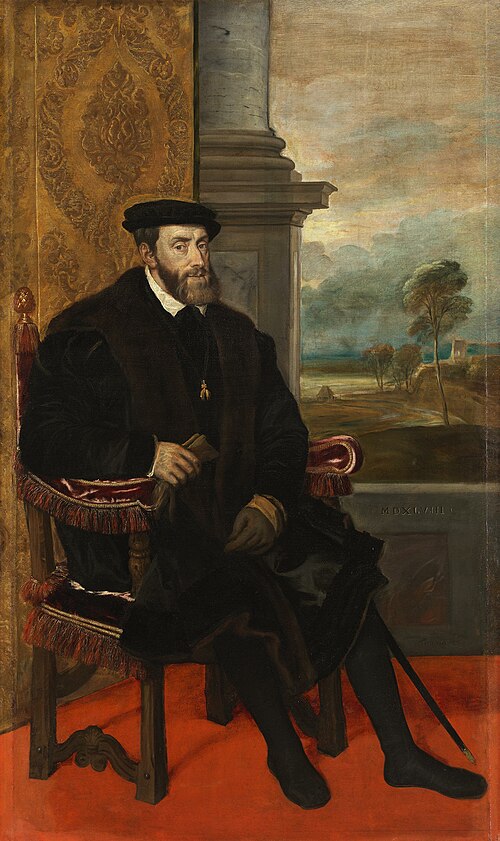
Charles V
83Charles V was the Holy Roman Emperor and king of Spain who ruled the largest European empire since Charlemagne, struggling to hold together a vast realm against the rise of Protestantism, France, and the Ottoman Empire before abdicating his crowns.
Why Also a ruler · From the same civilization

Frederick Barbarossa
80Frederick Barbarossa was the Holy Roman Emperor who sought to restore imperial power over Germany and Italy, a towering figure of the 12th century whose long reign and legendary death on crusade made him a German national myth.
Why Also a ruler · From the same civilization
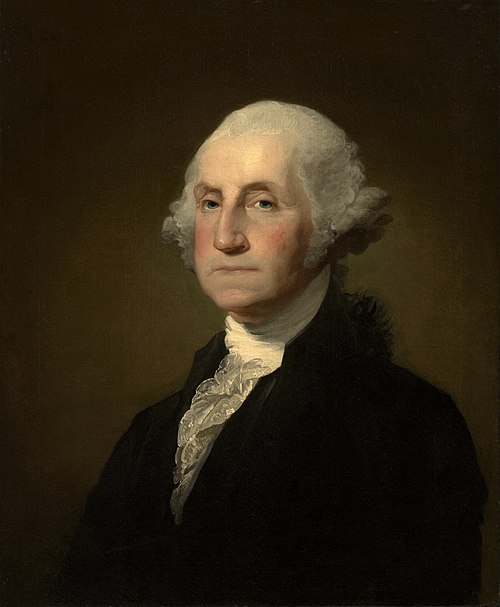
George Washington
91George Washington was the commander of the Continental Army in the American Revolution and the first President of the United States, whose leadership and restraint shaped the new republic.
Why Also a ruler · Active in the same era

Kangxi Emperor
81The Kangxi Emperor was the longest-reigning emperor in Chinese history, a ruler of the Qing dynasty who consolidated Manchu rule over China, expanded the empire, and presided over an era of prosperity, stability and learning.
Why Also a ruler · Active in the same era

Tipu Sultan
80Tipu Sultan was the ruler of the Kingdom of Mysore who became Britain's most formidable adversary in 18th-century India, fighting four Anglo-Mysore Wars and pioneering the use of rockets in warfare before dying in battle defending his capital.
Why Also a ruler · Active in the same era