Queen · 1122 – 1204
Eleanor of Aquitaine
If you're interested in Eleanor of Aquitaine, these historical figures share a similar impact, discipline, philosophy, or era. Each recommendation explains why the connection exists.
Similar Impact & Significance

Richard the Lionheart
80Richard the Lionheart was the king of England and a leading commander of the Third Crusade, a warrior-king whose courage and skill in battle against Saladin made him one of the most famous monarchs of the Middle Ages.
Why Her favorite son, for whose release from captivity she tirelessly negotiated and raised enormous ransom.

Saladin
86Saladin was a Kurdish Muslim sultan who founded the Ayyubid dynasty, united Egypt and Syria, and famously recaptured Jerusalem from the Crusaders, earning renown even among his enemies for his chivalry.
Why The Muslim sultan against whom her son Richard led the Third Crusade.

Frederick Barbarossa
80Frederick Barbarossa was the Holy Roman Emperor who sought to restore imperial power over Germany and Italy, a towering figure of the 12th century whose long reign and legendary death on crusade made him a German national myth.
Why A contemporary ruler and fellow participant in the politics of 12th-century Europe.

Elizabeth I
89Elizabeth I was Queen of England from 1558 to 1603, whose long and stable reign — the Elizabethan era — saw a golden age of culture, the defeat of the Spanish Armada, and England's rise as a sea power.
Why Also a queen & ruler · Comparable historical impact

Mary Queen of Scots
82Mary Queen of Scots was the queen of Scotland and briefly queen of France whose Catholic faith, claim to the English throne, and tragic fate made her the central figure in the religious and political struggles of 16th-century Britain — executed by her cousin Elizabeth I after nineteen years of imprisonment.
Why Also a queen & ruler · Comparable historical impact

Boudicca
80Boudicca was the queen of the Iceni tribe who led a major uprising against Roman rule in Britain around 60–61 CE, sacking Camulodunum, Londinium, and Verulamium before being defeated by the Roman governor Paulinus.
Why Also a queen & ruler · Comparable historical impact

Cleopatra VII
90Cleopatra VII was the last active ruler of the Ptolemaic Kingdom of Egypt, a shrewd and learned monarch whose alliances with Julius Caesar and Mark Antony placed her at the center of Roman politics.
Why Also a ruler & queen · Comparable historical impact

Hatshepsut
83Hatshepsut was one of the few women to rule ancient Egypt as pharaoh in her own right, a peaceful and prosperous reign marked by ambitious building projects and far-reaching trade.
Why Also a ruler & queen · Comparable historical impact

Nefertiti
79Nefertiti was an Egyptian queen, principal wife of the pharaoh Akhenaten, who wielded unusual power during his religious revolution and whose painted limestone bust is one of the most admired images of the ancient world.
Why Also a queen & ruler · Comparable historical impact

Isabella I of Castile
83Isabella I of Castile was the queen whose marriage to Ferdinand of Aragon united Spain, who completed the Reconquista by conquering Granada, and who sponsored the voyage of Christopher Columbus that opened the Americas to Europe.
Why Also a queen & ruler · Comparable historical impact
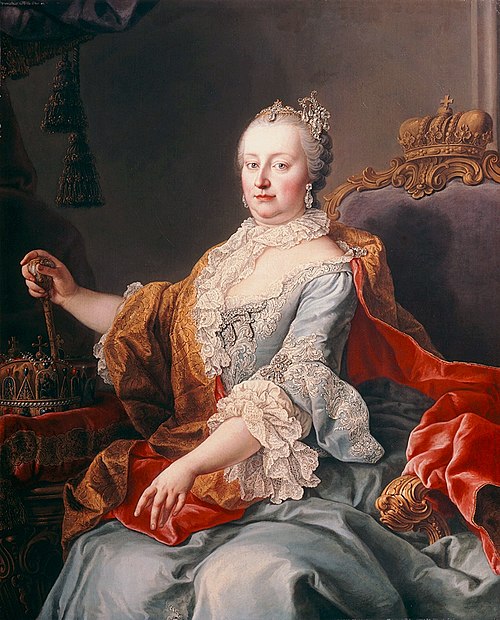
Maria Theresa
81Maria Theresa was the only female ruler of the Habsburg domains, a formidable empress who defended and reformed her vast inheritance against powerful enemies and reshaped Austria into a modern state while raising sixteen children.
Why Also a ruler & queen · Comparable historical impact

Queen Victoria
85Queen Victoria was the longest-reigning British monarch of her era, who presided over the height of the British Empire and the Victorian age of industrialization, reform, and global expansion, becoming a grandmother to most of Europe's royal houses.
Why Also a queen & ruler · Comparable historical impact
Same Field or Discipline

Catherine de' Medici
84Catherine de' Medici was the Italian-born queen consort and regent of France who governed the kingdom through three of her sons' reigns, navigated the devastating Wars of Religion between Catholics and Huguenots, and shaped French politics for thirty years.
Why Also a ruler · From the same civilization

Alfred the Great
80Alfred the Great was the king of Wessex who defended Anglo-Saxon England against the Vikings, reformed law, learning and defense, and is the only English monarch ever called "the Great".
Why Also a ruler · Active in the same era

Charles Martel
81Charles Martel was the Frankish military leader who halted the Muslim advance into Western Europe at the Battle of Tours in 732, laying the foundations of the Carolingian dynasty that his grandson Charlemagne would raise to empire.
Why Also a ruler · Active in the same era

Clovis I
80Clovis I was the king who united the Frankish tribes into a single kingdom and converted to Catholic Christianity, founding the Merovingian dynasty and laying the foundations of medieval France.
Why Also a ruler · Active in the same era

El Cid
81El Cid was the Castilian knight and military leader who conquered Valencia and held it as an independent principality, becoming the greatest hero of medieval Spain and the subject of the earliest Spanish epic poem.
Why Also a ruler · Active in the same era

Louis XIV
85Louis XIV was the king of France whose 72-year reign, the longest of any major European monarch, made him the supreme symbol of absolute monarchy, centralizing power, building Versailles, and dominating the politics of Europe.
Why Also a ruler · From the same civilization

Robert the Bruce
83Robert the Bruce was the Scottish king who won Scottish independence from England, defeating Edward II's army at the Battle of Bannockburn in 1314 and securing recognition of Scottish sovereignty in the Treaty of Edinburgh-Northampton in 1328.
Why Also a ruler · Active in the same era

Vlad the Impaler
79Vlad the Impaler was the 15th-century ruler of Wallachia (in modern Romania) who became notorious for impaling his enemies on stakes, defended his land against Ottoman expansion, and became the historical inspiration for Bram Stoker's fictional Dracula.
Why Also a ruler · Active in the same era
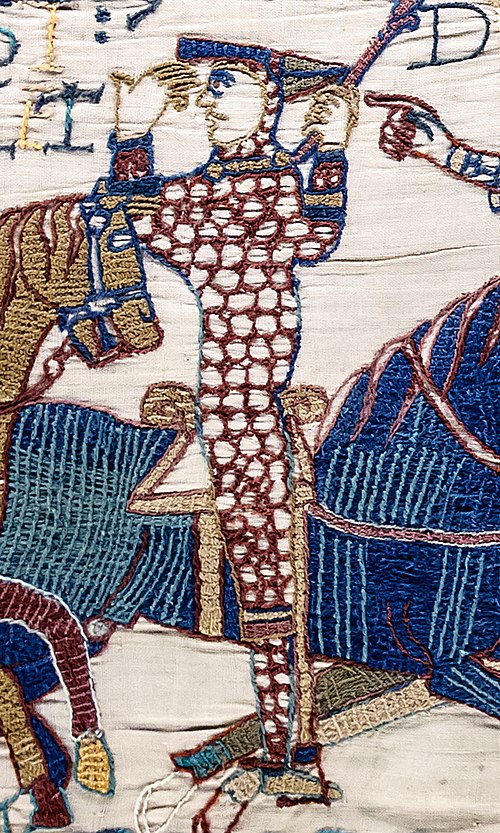
William the Conqueror
84William the Conqueror was the Duke of Normandy who invaded England in 1066, won the Battle of Hastings, and became its king, transforming English society, language and government in one of the most consequential conquests in history.
Why Also a ruler · Active in the same era

Wu Zetian
86Wu Zetian was the only woman in Chinese history to rule as emperor in her own name, founding the Zhou dynasty, governing China at the height of Tang power, and expanding the civil examination system to build a meritocratic bureaucracy.
Why Also a ruler · Active in the same era

Babur
81Babur was the Central Asian conqueror who founded the Mughal Empire, a descendant of Tamerlane and Genghis Khan who, after losing his ancestral lands, invaded India and established one of the greatest empires in its history.
Why Also a ruler · Active in the same era

Charlemagne
89Charlemagne was the King of the Franks who united much of Western Europe and was crowned Emperor in 800 AD, reviving the idea of a Roman empire in the West and sparking a cultural revival.
Why Also a ruler · Active in the same era