King · 1638 – 1715
Louis XIV
Key Takeaways
- Louis XIV reigned for 72 years, the longest of any major European monarch.
- He was the supreme symbol of absolute monarchy in Europe.
- He built the magnificent palace of Versailles.
- He made France the dominant power of 17th-century Europe.
For seventy-two years — longer than any other major European monarch — Louis XIV ruled France as the very embodiment of absolute power. The Sun King made his court the dazzling center of Europe and his style of kingship the model others scrambled to imitate.
The Sun King
Louis took the sun as his emblem: like the sun, all of France revolved around him. He centralized the state in his own hands, governing without a chief minister and, by tradition, declaring “L’état, c’est moi” — “I am the state.” He patronized a golden age of French culture, the age of the playwright Molière.
Versailles and Europe
Louis transformed a hunting lodge into the colossal palace of Versailles, drawing the nobility into a gilded world where they competed for his favor instead of plotting against him. His wars expanded France’s borders and made it the dominant power of the Baroque era. Admired and envied by rulers like Peter the Great, and a forerunner of Napoleon’s concentrated power, the Sun King remains the supreme symbol of the age of absolute monarchy.
Influence
Louis XIV perfected absolute monarchy, his Versailles and his style of kingship imitated by rulers across Europe, while his wars and grandeur shaped the age.
Legacy
The very image of the absolute monarch, his phrase 'L'état, c'est moi' ('I am the state') captures an entire era of royal power.
Connections
Frequently Asked Questions
Who was Louis XIV?
Louis XIV (1638–1715), the Sun King, was the king of France whose 72-year reign made him the supreme symbol of absolute monarchy and built the palace of Versailles.
Why is Louis XIV called the Sun King?
He adopted the sun as his emblem, symbolizing that, like the sun, everything in France revolved around him — the embodiment of his absolute power.
Citations & Sources
People Like Louis
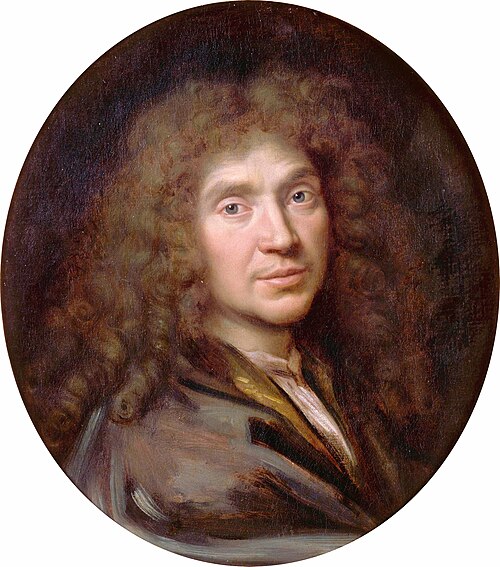
Molière
80Molière was a French playwright and actor of the 17th century, the supreme master of comedy in the French language, whose satires of hypocrisy and vanity remain among the most performed plays in the world.
Why The great playwright whom Louis XIV patronized at his court.

Napoleon Bonaparte
94Napoleon Bonaparte was a French military and political leader who rose during the French Revolution, crowned himself Emperor, and dominated European affairs for over a decade.
Why A later French ruler who, like Louis, concentrated power and dominated Europe.

Peter the Great
85Peter the Great was the Russian tsar who transformed Russia into a major European power, modernizing its army, government and society along Western lines and founding the new capital of Saint Petersburg.
Why A contemporary monarch who admired and sought to rival the grandeur of Louis's France.

Alfred the Great
80Alfred the Great was the king of Wessex who defended Anglo-Saxon England against the Vikings, reformed law, learning and defense, and is the only English monarch ever called "the Great".
Why Also a king & ruler · Comparable historical impact

Charlemagne
89Charlemagne was the King of the Franks who united much of Western Europe and was crowned Emperor in 800 AD, reviving the idea of a Roman empire in the West and sparking a cultural revival.
Why Also a ruler & king · Comparable historical impact
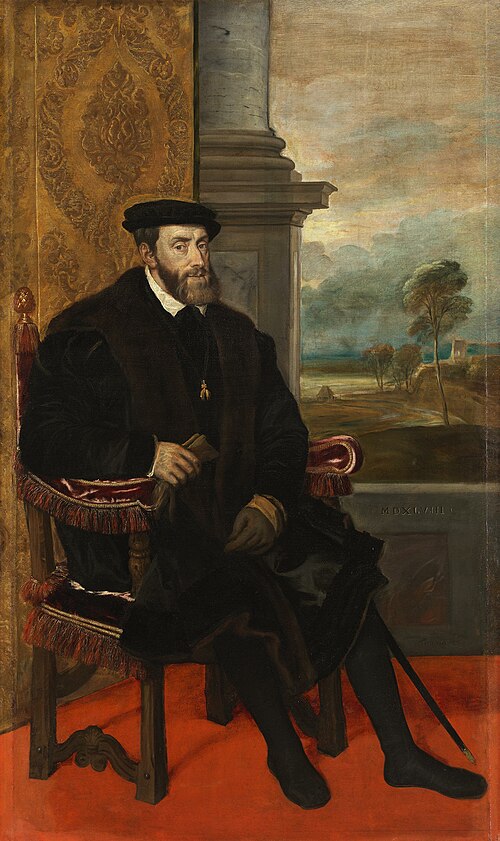
Charles V
83Charles V was the Holy Roman Emperor and king of Spain who ruled the largest European empire since Charlemagne, struggling to hold together a vast realm against the rise of Protestantism, France, and the Ottoman Empire before abdicating his crowns.
Why Also a king & ruler · Comparable historical impact