Statesman · 524 BC – 459 BC
Themistocles
If you're interested in Themistocles, these historical figures share a similar impact, discipline, philosophy, or era. Each recommendation explains why the connection exists.
Similar Impact & Significance

Xerxes I
80Xerxes I was the Achaemenid king of Persia who launched the massive second invasion of Greece, winning at Thermopylae but ultimately defeated at Salamis and Plataea, in one of the most famous conflicts of the ancient world.
Why The Persian king whose fleet Themistocles destroyed at Salamis.

Leonidas I
80Leonidas I was a king of Sparta who led a small Greek force in a legendary last stand against the vast Persian army at the Battle of Thermopylae in 480 BC, becoming an enduring symbol of courage and sacrifice.
Why The Spartan king whose stand at Thermopylae preceded Themistocles's victory at sea.

Pericles
84Pericles was an Athenian statesman who led the city during its golden age, strengthening its democracy, building the Parthenon and championing the arts, in an era so brilliant it is often called the Age of Pericles.
Why The later Athenian leader who built on the naval power Themistocles created.

Alexander Hamilton
87Alexander Hamilton was the American Founding Father who designed the United States financial system, co-wrote the Federalist Papers, founded the first national bank, served as the first Secretary of the Treasury, and was killed in a duel by Vice President Aaron Burr in 1804.
Why Also a statesman & military leader · Comparable historical impact

Charles Martel
81Charles Martel was the Frankish military leader who halted the Muslim advance into Western Europe at the Battle of Tours in 732, laying the foundations of the Carolingian dynasty that his grandson Charlemagne would raise to empire.
Why Also a military leader & statesman · Comparable historical impact

Mark Antony
80Mark Antony was a Roman general and statesman, a close ally of Julius Caesar who, after Caesar's assassination, ruled much of the Roman world and allied with Cleopatra, before his defeat by Octavian ended the Roman Republic for good.
Why Also a statesman & politician · Comparable historical impact
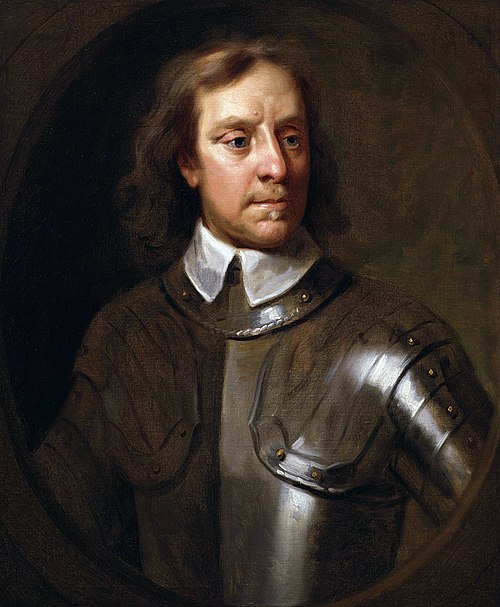
Oliver Cromwell
81Oliver Cromwell was the English military and political leader who helped overthrow and execute King Charles I in the English Civil War, then ruled England as Lord Protector in its only period as a republic — a deeply divisive figure ever since.
Why Also a statesman & military leader · Comparable historical impact

Pompey
80Pompey the Great was a Roman general and statesman, one of the leading figures of the late Republic, whose conquests in the East made him Rome's greatest soldier before he was defeated by Julius Caesar in a civil war that ended the Republic.
Why Also a statesman & politician · Comparable historical impact

Scipio Africanus
81Scipio Africanus was a Roman general who defeated Hannibal at the Battle of Zama to win the Second Punic War, one of the greatest commanders of antiquity and the savior of the Roman Republic in its darkest hour.
Why Also a military leader & statesman · Comparable historical impact

Tecumseh
83Tecumseh was the Shawnee leader who built the largest Native American confederacy in history to resist US expansion, allied with the British in the War of 1812, and was killed at the Battle of the Thames — becoming the greatest pan-Indian leader America ever faced.
Why Also a military leader & statesman · Comparable historical impact

Toyotomi Hideyoshi
81Toyotomi Hideyoshi was the warrior-statesman who completed the unification of Japan begun by Oda Nobunaga, rising from peasant origins to rule the entire country before launching ambitious and ill-fated invasions of Korea.
Why Also a statesman & military leader · Comparable historical impact

Horatio Nelson
86Horatio Nelson was the British naval commander whose victory at the Battle of Trafalgar in 1805 destroyed the French and Spanish combined fleet, secured British naval supremacy for a century, and made him the greatest hero of British military history — killed at the moment of his triumph.
Why Also a military leader · Comparable historical impact
Same Field or Discipline

Julius Caesar
95Julius Caesar was a Roman general and statesman whose conquest of Gaul and victory in civil war made him dictator of Rome, ending the Republic and paving the way for the Empire.
Why Also a military leader & politician

Alexander the Great
96Alexander the Great was the king of Macedon who built one of the largest empires in history by his early thirties, spreading Greek culture across three continents.
Why Also a military leader · Active in the same era

Philip II of Macedon
82Philip II of Macedon was the king who transformed Macedon into the dominant power of Greece, reforming its army into a fearsome military machine and laying the foundations for the conquests of his son, Alexander the Great.
Why Also a military leader · Active in the same era

Abraham Lincoln
92Abraham Lincoln was the 16th President of the United States, who led the nation through its Civil War, preserved the Union, and abolished slavery before his assassination in 1865.
Why Also a statesman & politician

Adolf Hitler
90Adolf Hitler was the dictator of Nazi Germany from 1933 to 1945, whose ideology of racial supremacy and aggressive expansionism plunged the world into World War II and caused the Holocaust — the genocide of six million Jews and millions of others.
Why Also a military leader & politician
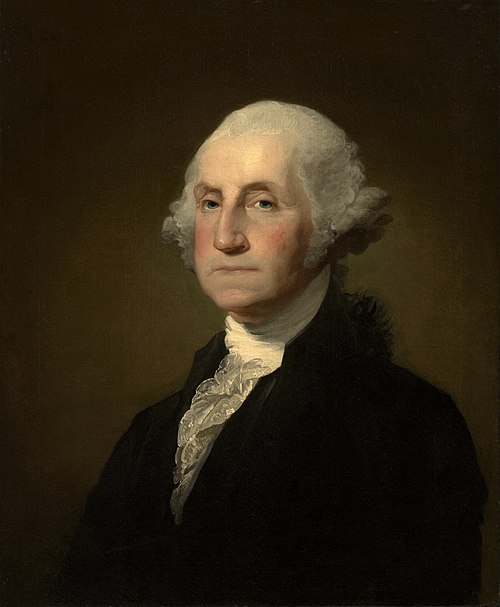
George Washington
91George Washington was the commander of the Continental Army in the American Revolution and the first President of the United States, whose leadership and restraint shaped the new republic.
Why Also a statesman & military leader

Muhammad
98Muhammad was the founder of Islam and regarded by Muslims as the last prophet of God, whose revelations form the Quran and whose life and teachings shaped the religion now followed by 1.8 billion people across the world.
Why Also a statesman & military leader

Napoleon Bonaparte
94Napoleon Bonaparte was a French military and political leader who rose during the French Revolution, crowned himself Emperor, and dominated European affairs for over a decade.
Why Also a military leader & politician
Suleiman I
90Suleiman the Magnificent was the longest-reigning sultan of the Ottoman Empire, who led it to the height of its power through military conquest, legal reform and a brilliant flowering of art and architecture.
Why Also a military leader & statesman
Same Era or Civilization

Euripides
79Euripides was one of the three great tragedians of classical Athens, whose psychologically searching, often unsettling plays such as Medea and The Bacchae made him the most modern-feeling dramatist of the ancient world.
Why Active in the same era · From the same civilization
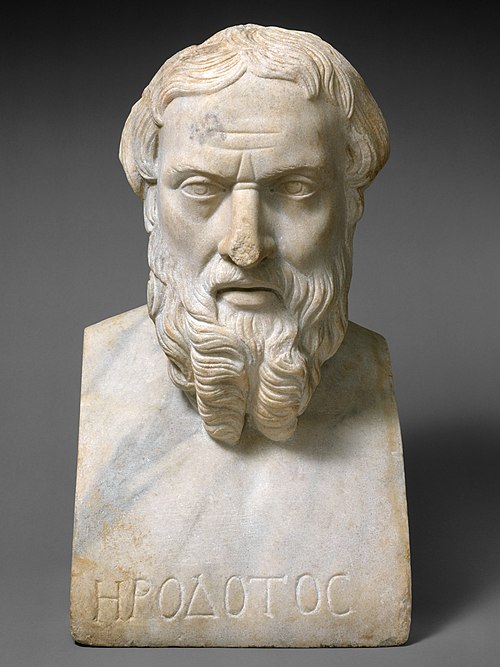
Herodotus
83Herodotus was a Greek writer of the 5th century BC, called the "Father of History" for his Histories, the first known work to systematically investigate and narrate past events as a connected inquiry.
Why Active in the same era · From the same civilization

Hippocrates
88Hippocrates was an ancient Greek physician regarded as the father of Western medicine, who established medicine as a rational discipline distinct from superstition and inspired the Hippocratic Oath.
Why Active in the same era · From the same civilization