Historian · 484 BC – 425 BC
Herodotus
Key Takeaways
- Herodotus is called the "Father of History" for inventing systematic historical inquiry.
- His Histories chronicle the Greco-Persian Wars and the peoples of the ancient world.
- He travelled widely and gathered stories, customs and geography from many lands.
- His work blends careful inquiry with vivid storytelling and the occasional tall tale.
Before Herodotus, there were chronicles and legends but no history. By setting out to inquire into the past and write down what he found, this Greek traveller of the 5th century BC earned a lasting title: the Father of History.
The Histories
His great work, the Histories, set out to explain the epic conflict between the Greek city-states and the Persian Empire founded by Cyrus the Great. Along the way Herodotus described the customs, geography and legends of the Greek world, Egypt, Persia and beyond, blending careful reporting with irresistible storytelling.
A new way of knowing the past
The Greek word he used for his project — historia, “inquiry” — became our word “history.” Writing in classical Greece, Herodotus opened a path that the sterner Thucydides and later writers like Plutarch would follow, founding a discipline that has never stopped.
Influence
Herodotus transformed scattered memory into a written inquiry into the past, founding the discipline of history and giving the ancient world its first great prose narrative.
Legacy
Two and a half millennia later he is still read as both the first historian and a matchless storyteller of the ancient world.
Major Works
- The Histories
Connections
Frequently Asked Questions
Who was Herodotus?
Herodotus (c. 484–425 BC) was a Greek writer called the 'Father of History', author of the Histories, the first systematic account of past events.
Why is Herodotus called the Father of History?
He was the first known writer to investigate past events methodically, gather evidence and weave it into a connected prose narrative — the foundation of the discipline of history.
Citations & Sources
People Like Herodotus

Thucydides
82Thucydides was an Athenian historian and general whose History of the Peloponnesian War set the standard for rigorous, evidence-based history and remains a foundational text of political and military analysis.
Why The younger historian who followed and sharpened the discipline Herodotus founded.

Cyrus the Great
90Cyrus the Great was the founder of the Achaemenid Persian Empire, the largest empire the ancient world had yet seen, remembered for his military genius and his tolerance toward conquered peoples.
Why A central figure in the Histories' account of the rise of the Persian Empire.

Plutarch
80Plutarch was a Greek philosopher and biographer of the Roman era whose Parallel Lives paired famous Greeks and Romans and became one of the most read and influential works of biography in history.
Why A later Greek writer who, like Herodotus, narrated the lives and deeds of the past.

Euripides
79Euripides was one of the three great tragedians of classical Athens, whose psychologically searching, often unsettling plays such as Medea and The Bacchae made him the most modern-feeling dramatist of the ancient world.
Why Also a writer · Active in the same era
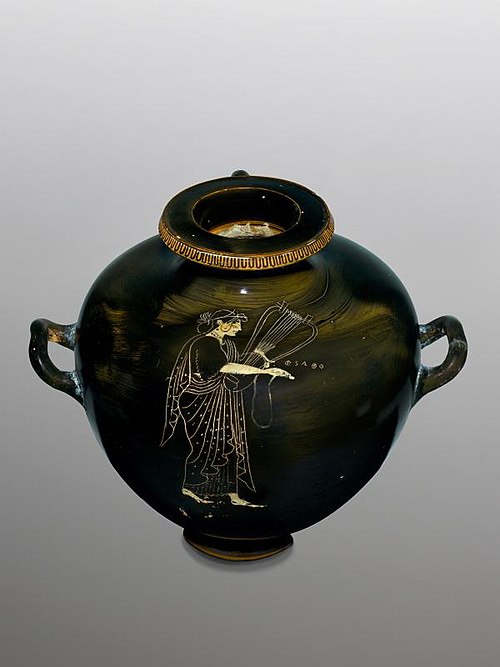
Sappho
78Sappho was an ancient Greek lyric poet from the island of Lesbos, celebrated in antiquity as one of the greatest of all poets and revered for her intimate, intensely personal verse on love and longing.
Why Also a writer · Active in the same era

Sophocles
81Sophocles was one of the three great tragedians of classical Athens, author of Oedipus Rex and Antigone, whose dramas shaped Western theatre and gave us some of its most enduring stories.
Why Also a writer · Active in the same era