Playwright · 497 BC – 406 BC
Sophocles
Key Takeaways
- Sophocles was one of the three great tragedians of ancient Athens.
- His plays include Oedipus Rex, Antigone and Electra.
- He won the Athenian drama festivals more often than his rivals.
- He introduced innovations such as a third actor, deepening dramatic conflict.
In the open-air theatres of Athens, Sophocles brought Greek tragedy to its peak. His dramas of fate and moral conflict still grip audiences and thinkers more than two millennia later.
Master of tragedy
Sophocles is said to have written some 120 plays, of which seven survive — among them Oedipus Rex, Antigone and Electra. He deepened drama by adding a third actor and richer characterization, and he won the Athenian festivals more often than either of his great rivals. Aristotle later held up Oedipus Rex as the very model of tragedy.
An enduring shadow
His stories outlived their age. The tale of Oedipus — who fulfils a terrible prophecy without knowing it — became a touchstone for philosophy and, much later, gave Sigmund Freud the name for the “Oedipus complex.” Alongside his younger contemporary Euripides, this playwright of classical Greece helped invent Western drama itself.
Influence
Sophocles brought Greek tragedy to its height, and his Oedipus and Antigone have shaped drama, philosophy and psychology for over two thousand years.
Legacy
Only seven of his plays survive, yet they remain among the most performed and studied works of world theatre.
Major Works
- Oedipus Rex
- Antigone
- Electra
Connections
Frequently Asked Questions
Who was Sophocles?
Sophocles (c. 497–406 BC) was a great tragedian of classical Athens, author of Oedipus Rex and Antigone, whose plays shaped Western theatre.
What is Oedipus Rex about?
Oedipus Rex follows King Oedipus as he unknowingly fulfils a prophecy that he would kill his father and marry his mother, a tragedy of fate and self-discovery.
Citations & Sources
People Like Sophocles

Euripides
79Euripides was one of the three great tragedians of classical Athens, whose psychologically searching, often unsettling plays such as Medea and The Bacchae made him the most modern-feeling dramatist of the ancient world.
Why A fellow Athenian tragedian and younger contemporary of Sophocles.

Aristotle
98Aristotle was a Greek philosopher and polymath whose writings on logic, ethics, biology, politics and metaphysics shaped Western thought for over two millennia.
Why Aristotle held up Sophocles' Oedipus Rex as the model of perfect tragedy in his Poetics.

Socrates
95Socrates was a classical Greek philosopher credited as a founder of Western philosophy, famous for the Socratic method of questioning and for his trial and execution in Athens.
Why A contemporary in the golden age of Athens whose era Sophocles' theatre defined.
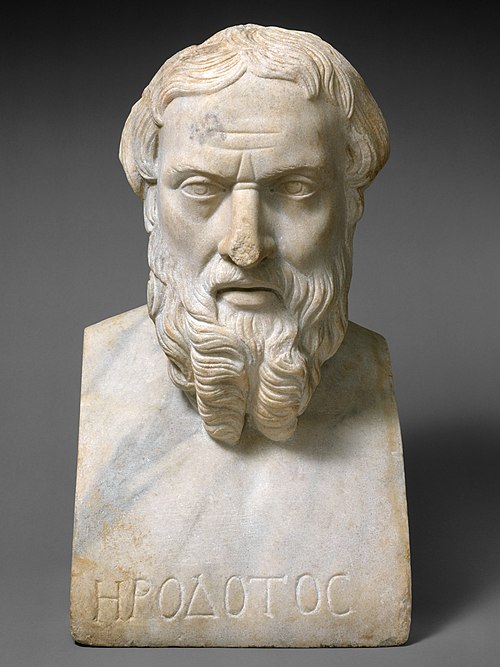
Herodotus
83Herodotus was a Greek writer of the 5th century BC, called the "Father of History" for his Histories, the first known work to systematically investigate and narrate past events as a connected inquiry.
Why Also a writer · Active in the same era
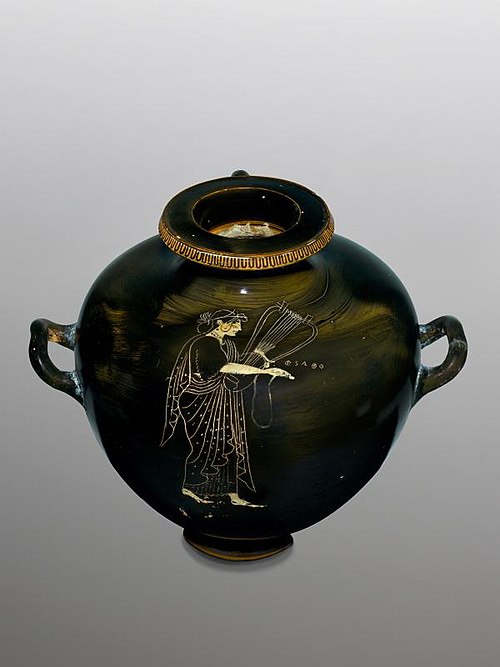
Sappho
78Sappho was an ancient Greek lyric poet from the island of Lesbos, celebrated in antiquity as one of the greatest of all poets and revered for her intimate, intensely personal verse on love and longing.
Why Also a writer · Active in the same era

Anton Chekhov
81Anton Chekhov was a Russian playwright and short-story writer — and a practising physician — widely regarded as among the greatest masters of both the short story and modern drama, whose plays like The Cherry Orchard transformed the theatre.
Why Also a playwright & writer · Comparable historical impact