Playwright · 480 BC – 406 BC
Euripides
Key Takeaways
- Euripides was the youngest of Athens' three great tragedians.
- His plays gave unusually complex and sympathetic roles to women and outsiders.
- He questioned the gods, war and tradition more sharply than his rivals.
- Works like Medea and The Bacchae remain widely performed today.
Of the three great tragedians of Athens, Euripides was the youngest and the most unsettling. Where others affirmed the order of gods and heroes, he asked hard questions — about war, justice, and the people history usually ignored.
A more human tragedy
Euripides gave the stage some of its most unforgettable figures, especially women and outsiders: the vengeful Medea, the grieving captives of The Trojan Women, the ecstatic followers of Dionysus in The Bacchae. His characters feel startlingly real, driven by passion, doubt and despair rather than simple fate.
Ahead of his time
He won the Athenian festivals less often than Sophocles, yet more of his plays survive than those of any other tragedian — a sign of how deeply later ages valued him. Sharing the questioning spirit of his contemporary Socrates, this playwright of classical Greece anticipated the psychological theatre of two thousand years later.
Influence
Euripides made tragedy more human and more sceptical, giving voice to women, slaves and the defeated, and anticipating the psychological drama of much later ages.
Legacy
More of his plays survive than those of any other Greek tragedian, and they remain among the most staged works of ancient theatre.
Major Works
- Medea
- The Bacchae
- The Trojan Women
Connections
Frequently Asked Questions
Who was Euripides?
Euripides (c. 480–406 BC) was one of the three great tragedians of classical Athens, author of Medea and The Bacchae, known for his psychological depth and questioning spirit.
What is Medea about?
Medea dramatizes a betrayed wife who takes terrible revenge on her unfaithful husband, exploring passion, gender and justice with shocking intensity.
Citations & Sources
People Like Euripides

Sophocles
81Sophocles was one of the three great tragedians of classical Athens, author of Oedipus Rex and Antigone, whose dramas shaped Western theatre and gave us some of its most enduring stories.
Why The older tragedian against whom Euripides competed in the Athenian festivals.

Socrates
95Socrates was a classical Greek philosopher credited as a founder of Western philosophy, famous for the Socratic method of questioning and for his trial and execution in Athens.
Why A friend and contemporary whose questioning spirit Euripides shared.

Aristotle
98Aristotle was a Greek philosopher and polymath whose writings on logic, ethics, biology, politics and metaphysics shaped Western thought for over two millennia.
Why Aristotle analysed Euripides' tragedies in his influential Poetics.
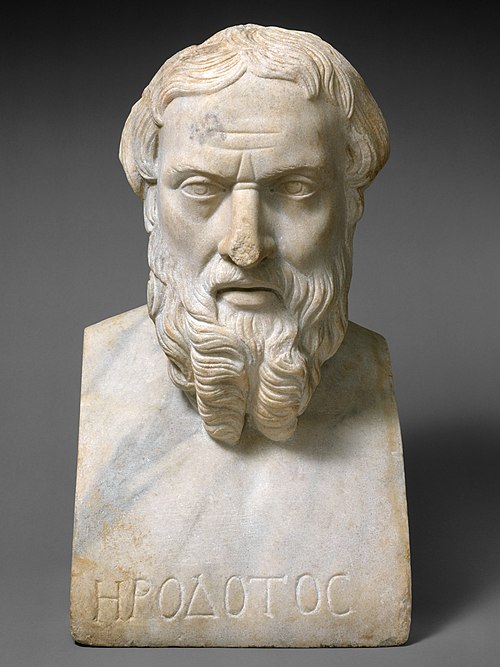
Herodotus
83Herodotus was a Greek writer of the 5th century BC, called the "Father of History" for his Histories, the first known work to systematically investigate and narrate past events as a connected inquiry.
Why Also a writer · Active in the same era
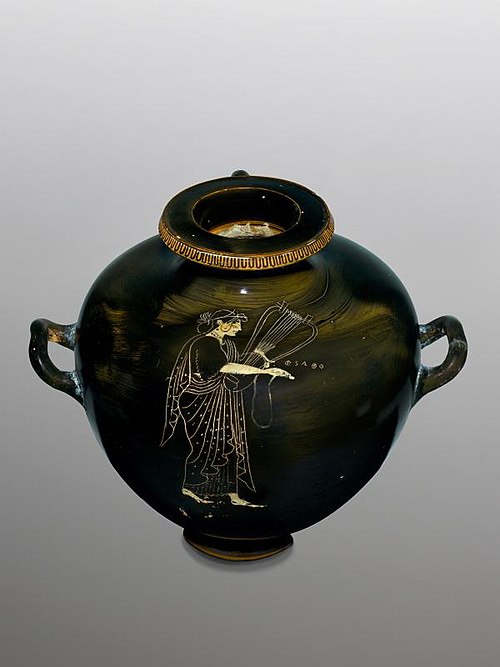
Sappho
78Sappho was an ancient Greek lyric poet from the island of Lesbos, celebrated in antiquity as one of the greatest of all poets and revered for her intimate, intensely personal verse on love and longing.
Why Also a writer · Active in the same era

Anton Chekhov
81Anton Chekhov was a Russian playwright and short-story writer — and a practising physician — widely regarded as among the greatest masters of both the short story and modern drama, whose plays like The Cherry Orchard transformed the theatre.
Why Also a playwright & writer · Comparable historical impact