Historical Figures from London
The most influential historical figures born in or associated with London.

Ada Lovelace
84Ada Lovelace was an English mathematician widely regarded as the first computer programmer, who saw that Charles Babbage's Analytical Engine could go beyond calculation to manipulate symbols of any kind.

Alan Turing
91Alan Turing was an English mathematician and computer scientist who founded theoretical computer science, helped break the German Enigma cipher in World War II, and pioneered the study of artificial intelligence.

Francis Bacon
82Francis Bacon was an English philosopher, statesman and writer who served as Lord Chancellor and, in works such as the Novum Organum and his Essays, founded the modern scientific method of reasoning from evidence and experiment.

Geoffrey Chaucer
81Geoffrey Chaucer was an English poet and civil servant of the 14th century, called the "Father of English literature", whose Canterbury Tales established English as a language worthy of great poetry.

John Keats
79John Keats was an English Romantic poet who, despite dying at just 25, produced some of the most beautiful and enduring poetry in the language, including a series of great odes that secured his place among the immortals of English verse.

John Milton
83John Milton was an English poet and political writer of the 17th century whose epic Paradise Lost is considered the greatest long poem in the English language and one of the supreme achievements of world literature.
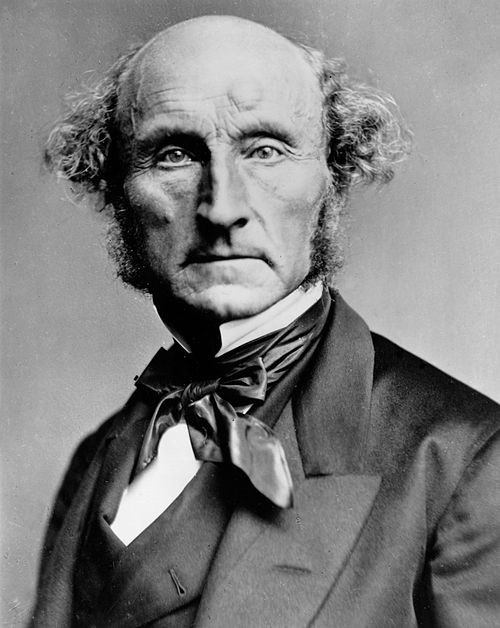
John Stuart Mill
87John Stuart Mill was an English philosopher and economist, the leading liberal thinker of the nineteenth century, whose works on utilitarianism, liberty, and the rights of women shaped modern political and ethical thought.

Lord Byron
80Lord Byron was an English Romantic poet, one of the most famous and scandalous figures of his age, whose works such as Don Juan and Childe Harold's Pilgrimage created the brooding "Byronic hero" and made him a celebrity across Europe.
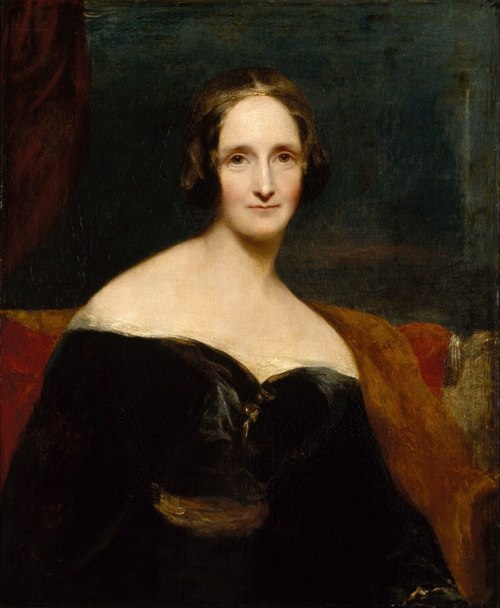
Mary Shelley
80Mary Shelley was an English writer who, at just eighteen, conceived Frankenstein — a novel often called the first work of science fiction — and went on to a notable literary career while editing the works of her husband, the poet Percy Bysshe Shelley.

Mary Wollstonecraft
85Mary Wollstonecraft was an English Enlightenment writer and philosopher, a pioneer of feminist thought whose A Vindication of the Rights of Woman argued for the education and equality of women.

Rosalind Franklin
85Rosalind Franklin was an English chemist and X-ray crystallographer whose images of DNA were crucial to discovering its double-helix structure, a contribution long under-recognized.
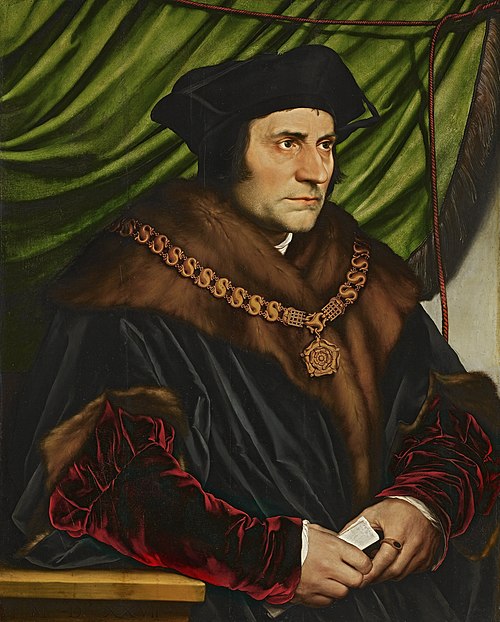
Thomas More
79Thomas More was an English statesman, lawyer and Renaissance humanist who served as Lord Chancellor and coined the word "utopia" in his book of that name — and who was executed for refusing to accept King Henry VIII's break with Rome.

Virginia Woolf
81Virginia Woolf was an English writer, a central figure of literary modernism, whose novels Mrs Dalloway and To the Lighthouse pioneered stream of consciousness, and whose essay A Room of One's Own became a landmark of feminist thought.