Chieftain · 72 BC – 46 BC
Vercingetorix
If you're interested in Vercingetorix, these historical figures share a similar impact, discipline, philosophy, or era. Each recommendation explains why the connection exists.
Similar Impact & Significance

Julius Caesar
95Julius Caesar was a Roman general and statesman whose conquest of Gaul and victory in civil war made him dictator of Rome, ending the Republic and paving the way for the Empire.
Why The Roman general he led the Gallic revolt against, who ultimately defeated and captured him.

Boudicca
80Boudicca was the queen of the Iceni tribe who led a major uprising against Roman rule in Britain around 60–61 CE, sacking Camulodunum, Londinium, and Verulamium before being defeated by the Roman governor Paulinus.
Why A later Celtic leader who similarly led a major revolt against Roman rule, in Britain.

Geronimo
81Geronimo was the Apache leader whose decade-long guerrilla resistance against the United States and Mexico made him the most feared and pursued Native American fighter of the 19th century, requiring 5,000 US troops to finally capture 38 warriors.
Why Also a military leader · Comparable historical impact

Gjergj Kastrioti Skanderbeg
81Skanderbeg was the Albanian nobleman who defected from the Ottoman army, united the Albanian princes, and defended Albania against three decades of Ottoman campaigns — becoming the symbol of Albanian national identity and a celebrated Christian hero across 15th-century Europe.
Why Also a military leader · Comparable historical impact

Joan of Arc
85Joan of Arc was a peasant girl who, believing herself guided by divine visions, led French forces to crucial victories in the Hundred Years' War before being captured, tried and burned at the stake — and later made a saint.
Why Also a military leader · Comparable historical impact
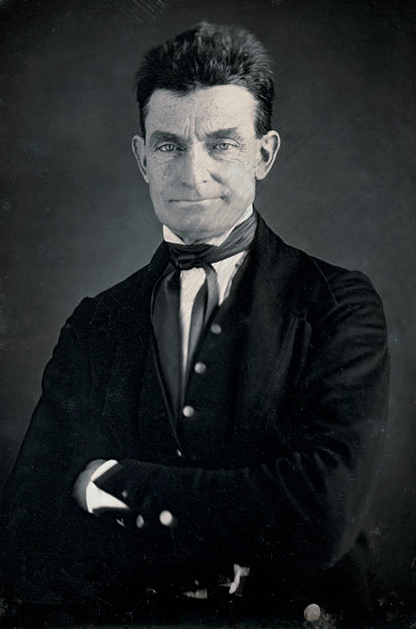
John Brown
81John Brown was the American abolitionist who believed that slavery could only be ended by armed violence, led the raid on the federal arsenal at Harpers Ferry in 1859, was hanged for treason, and became the most polarizing and prophetic figure of the American antislavery movement.
Why Also a military leader · Comparable historical impact

Nzinga of Matamba
83Nzinga of Matamba was the 17th-century queen of Ndongo and Matamba (in modern Angola) who resisted Portuguese colonial expansion for decades through military force and diplomacy, becoming one of Africa's greatest rulers and a symbol of anti-colonial resistance.
Why Also a military leader · Comparable historical impact

Sitting Bull
84Sitting Bull was the Hunkpapa Lakota chief and holy man who united the Sioux nations against American expansion, led the coalition that defeated Custer at the Little Bighorn in 1876, and became a symbol of Native American resistance to US conquest.
Why Also a military leader · Comparable historical impact

Tecumseh
83Tecumseh was the Shawnee leader who built the largest Native American confederacy in history to resist US expansion, allied with the British in the War of 1812, and was killed at the Battle of the Thames — becoming the greatest pan-Indian leader America ever faced.
Why Also a military leader · Comparable historical impact

Tipu Sultan
80Tipu Sultan was the ruler of the Kingdom of Mysore who became Britain's most formidable adversary in 18th-century India, fighting four Anglo-Mysore Wars and pioneering the use of rockets in warfare before dying in battle defending his capital.
Why Also a military leader · Comparable historical impact

Abu'l-Fath Jalal-ud-din Muhammad Akbar
88Akbar was the third Mughal emperor, who expanded the empire across much of the Indian subcontinent and is remembered for his administrative reforms, religious tolerance and patronage of the arts during a long and powerful reign.
Why Also a military leader · Comparable historical impact

Alexander Hamilton
87Alexander Hamilton was the American Founding Father who designed the United States financial system, co-wrote the Federalist Papers, founded the first national bank, served as the first Secretary of the Treasury, and was killed in a duel by Vice President Aaron Burr in 1804.
Why Also a military leader · Comparable historical impact

Alfred the Great
80Alfred the Great was the king of Wessex who defended Anglo-Saxon England against the Vikings, reformed law, learning and defense, and is the only English monarch ever called "the Great".
Why Also a military leader · Comparable historical impact

Attila the Hun
80Attila the Hun was the fearsome ruler of the Hunnic Empire who terrorized the late Roman world in the 5th century, leading devastating invasions across Europe that earned him the name the "Scourge of God".
Why Also a military leader · Comparable historical impact

Babur
81Babur was the Central Asian conqueror who founded the Mughal Empire, a descendant of Tamerlane and Genghis Khan who, after losing his ancestral lands, invaded India and established one of the greatest empires in its history.
Why Also a military leader · Comparable historical impact

Chandragupta Maurya
85Chandragupta Maurya was the founder of the Maurya Empire, who united most of the Indian subcontinent for the first time and established one of the ancient world's great states.
Why Also a military leader · Comparable historical impact

Charlemagne
89Charlemagne was the King of the Franks who united much of Western Europe and was crowned Emperor in 800 AD, reviving the idea of a Roman empire in the West and sparking a cultural revival.
Why Also a military leader · Comparable historical impact
Same Field or Discipline

Scipio Africanus
81Scipio Africanus was a Roman general who defeated Hannibal at the Battle of Zama to win the Second Punic War, one of the greatest commanders of antiquity and the savior of the Roman Republic in its darkest hour.
Why Also a military leader · Active in the same era

Spartacus
79Spartacus was a Thracian gladiator who led the largest slave uprising in the history of the Roman Republic, defeating several Roman armies before his rebellion was crushed — becoming an enduring symbol of resistance to oppression.
Why Also a military leader · Active in the same era

Constantine the Great
87Constantine the Great was the Roman emperor who became the first to embrace Christianity, ended its persecution, and founded Constantinople as a new capital — decisions that reshaped the Roman world and the future of Europe.
Why Also a military leader · From the same civilization

Trajan
81Trajan was a Roman emperor under whom the Roman Empire reached its greatest territorial extent, a soldier-emperor remembered as one of the "Five Good Emperors" and celebrated by Romans as the best of all rulers.
Why Also a military leader · From the same civilization
Same Era or Civilization

Cicero
88Cicero was a Roman statesman, orator and philosopher whose speeches and writings defined Latin prose, transmitted Greek philosophy to Rome, and championed the values of the Roman Republic.
Why Active in the same era · From the same civilization

Mark Antony
80Mark Antony was a Roman general and statesman, a close ally of Julius Caesar who, after Caesar's assassination, ruled much of the Roman world and allied with Cleopatra, before his defeat by Octavian ended the Roman Republic for good.
Why Active in the same era · From the same civilization

Pompey
80Pompey the Great was a Roman general and statesman, one of the leading figures of the late Republic, whose conquests in the East made him Rome's greatest soldier before he was defeated by Julius Caesar in a civil war that ended the Republic.
Why Active in the same era · From the same civilization