Statesman · 1537 – 1598
Toyotomi Hideyoshi
If you're interested in Toyotomi Hideyoshi, these historical figures share a similar impact, discipline, philosophy, or era. Each recommendation explains why the connection exists.
Similar Impact & Significance
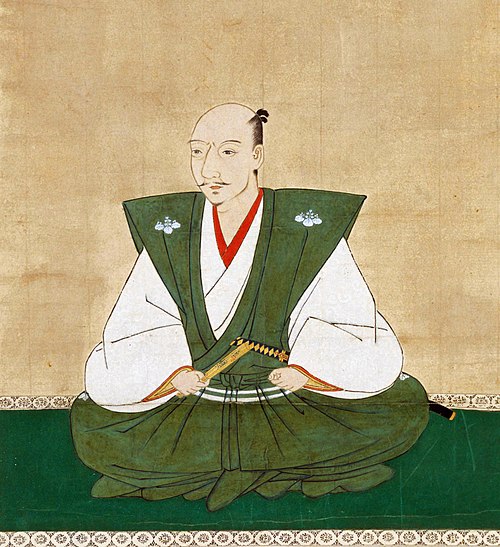
Oda Nobunaga
81Oda Nobunaga was the warlord who began the unification of Japan, a ruthless and innovative military leader who broke the power of rival lords and the warrior monks and embraced firearms and new tactics before his betrayal and death.
Why His lord, whose unification of Japan Hideyoshi continued after avenging his death.

Tokugawa Ieyasu
83Tokugawa Ieyasu was the patient, cunning warlord who won the final struggle to rule Japan, founding the Tokugawa shogunate that brought over 250 years of peace and stability after a century of civil war.
Why His ally and rival, who seized power after Hideyoshi's death and founded the Tokugawa shogunate.

Liu Bang
83Liu Bang was a peasant who rose to become the founder of the Han dynasty, one of the longest and greatest dynasties in Chinese history, establishing a model of imperial government that would endure for two thousand years.
Why Another leader who rose from peasant origins to supreme power.
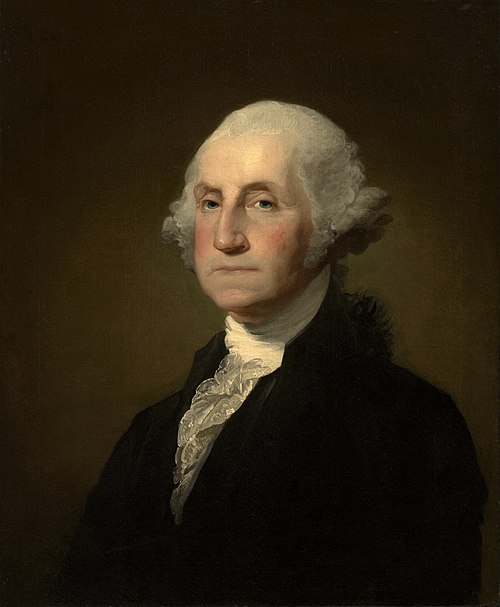
George Washington
91George Washington was the commander of the Continental Army in the American Revolution and the first President of the United States, whose leadership and restraint shaped the new republic.
Why Also a statesman & military leader · Comparable historical impact
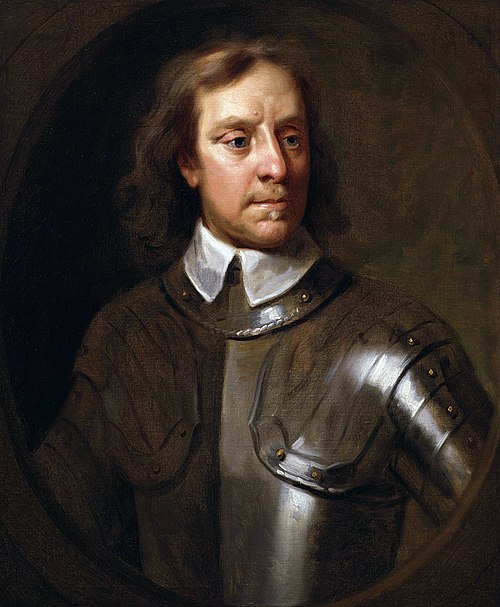
Oliver Cromwell
81Oliver Cromwell was the English military and political leader who helped overthrow and execute King Charles I in the English Civil War, then ruled England as Lord Protector in its only period as a republic — a deeply divisive figure ever since.
Why Also a statesman & military leader · Comparable historical impact
Suleiman I
90Suleiman the Magnificent was the longest-reigning sultan of the Ottoman Empire, who led it to the height of its power through military conquest, legal reform and a brilliant flowering of art and architecture.
Why Also a ruler & military leader · Comparable historical impact

Abu'l-Fath Jalal-ud-din Muhammad Akbar
88Akbar was the third Mughal emperor, who expanded the empire across much of the Indian subcontinent and is remembered for his administrative reforms, religious tolerance and patronage of the arts during a long and powerful reign.
Why Also a ruler & military leader · Comparable historical impact
Same Field or Discipline

Charles Martel
81Charles Martel was the Frankish military leader who halted the Muslim advance into Western Europe at the Battle of Tours in 732, laying the foundations of the Carolingian dynasty that his grandson Charlemagne would raise to empire.
Why Also a military leader & statesman · Active in the same era

Alfred the Great
80Alfred the Great was the king of Wessex who defended Anglo-Saxon England against the Vikings, reformed law, learning and defense, and is the only English monarch ever called "the Great".
Why Also a military leader & ruler · Active in the same era

Babur
81Babur was the Central Asian conqueror who founded the Mughal Empire, a descendant of Tamerlane and Genghis Khan who, after losing his ancestral lands, invaded India and established one of the greatest empires in its history.
Why Also a military leader & ruler · Active in the same era

Charlemagne
89Charlemagne was the King of the Franks who united much of Western Europe and was crowned Emperor in 800 AD, reviving the idea of a Roman empire in the West and sparking a cultural revival.
Why Also a ruler & military leader · Active in the same era

Clovis I
80Clovis I was the king who united the Frankish tribes into a single kingdom and converted to Catholic Christianity, founding the Merovingian dynasty and laying the foundations of medieval France.
Why Also a military leader & ruler · Active in the same era

El Cid
81El Cid was the Castilian knight and military leader who conquered Valencia and held it as an independent principality, becoming the greatest hero of medieval Spain and the subject of the earliest Spanish epic poem.
Why Also a military leader & ruler · Active in the same era

Emperor Taizong of Tang
82Emperor Taizong of Tang was one of the greatest emperors in Chinese history, whose reign launched the golden age of the Tang dynasty, combining military conquest with wise, benevolent government that became a model for later rulers.
Why Also a ruler & military leader · Active in the same era

Frederick Barbarossa
80Frederick Barbarossa was the Holy Roman Emperor who sought to restore imperial power over Germany and Italy, a towering figure of the 12th century whose long reign and legendary death on crusade made him a German national myth.
Why Also a military leader & ruler · Active in the same era

Kublai Khan
83Kublai Khan was the grandson of Genghis Khan who completed the Mongol conquest of China and founded the Yuan dynasty, ruling the largest realm of his age and welcoming travelers such as Marco Polo to his fabled court.
Why Also a ruler & military leader · Active in the same era

Mehmed II
88Mehmed II was the Ottoman sultan who conquered Constantinople in 1453, ending the Byzantine Empire and the Middle Ages, transforming the city into Istanbul and making the Ottoman Empire the dominant power of the Eastern Mediterranean.
Why Also a military leader & ruler · Active in the same era

Robert the Bruce
83Robert the Bruce was the Scottish king who won Scottish independence from England, defeating Edward II's army at the Battle of Bannockburn in 1314 and securing recognition of Scottish sovereignty in the Treaty of Edinburgh-Northampton in 1328.
Why Also a military leader & ruler · Active in the same era

Saladin
86Saladin was a Kurdish Muslim sultan who founded the Ayyubid dynasty, united Egypt and Syria, and famously recaptured Jerusalem from the Crusaders, earning renown even among his enemies for his chivalry.
Why Also a military leader & ruler · Active in the same era

Shivaji
80Shivaji was the warrior-king who founded the Maratha Empire in western India, a brilliant guerrilla commander who challenged the mighty Mughal Empire and built a state celebrated for its administration and naval power.
Why Also a military leader & ruler · Active in the same era
Sundiata Keita
80Sundiata Keita was the founder of the Mali Empire, a warrior-prince who overcame disability and exile to defeat his rivals and unite the Mandinka peoples, creating the West African empire later made famous by Mansa Musa.
Why Also a military leader & ruler · Active in the same era

Tamerlane
81Tamerlane was a Turco-Mongol conqueror who built a vast empire from Central Asia, the last of the great steppe conquerors, whose brilliant and brutal campaigns made him master of much of the Islamic world while his capital Samarkand flourished.
Why Also a military leader & ruler · Active in the same era

Vlad the Impaler
79Vlad the Impaler was the 15th-century ruler of Wallachia (in modern Romania) who became notorious for impaling his enemies on stakes, defended his land against Ottoman expansion, and became the historical inspiration for Bram Stoker's fictional Dracula.
Why Also a military leader & ruler · Active in the same era
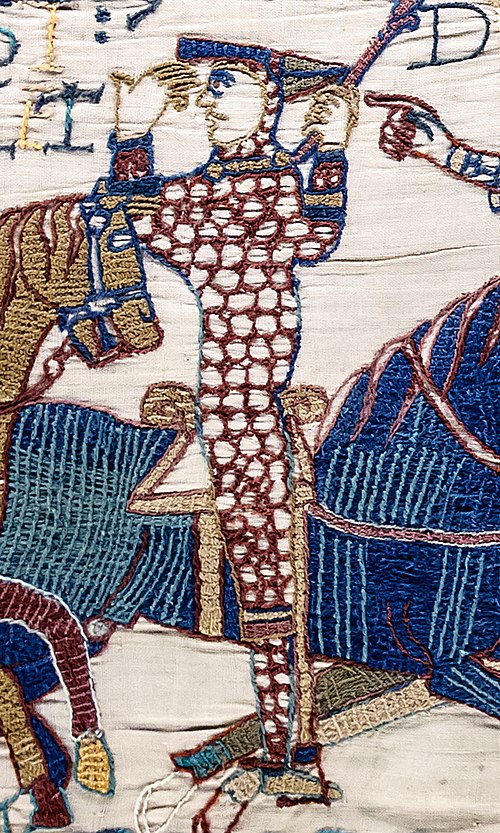
William the Conqueror
84William the Conqueror was the Duke of Normandy who invaded England in 1066, won the Battle of Hastings, and became its king, transforming English society, language and government in one of the most consequential conquests in history.
Why Also a military leader & ruler · Active in the same era