civilization · c. 1185–1868 AD
Feudal Japan
Feudal Japan was the era of samurai, shoguns and warring domains that lasted from the late 12th to the 19th century, when real power lay with military rulers rather than the emperor, culminating in the unification of the country.
Key Takeaways
- In feudal Japan real power lay with military rulers (shoguns), not the emperor.
- The samurai were the warrior class at the heart of this society.
- The Sengoku period was an age of civil war between rival domains.
- Three unifiers — Nobunaga, Hideyoshi and Ieyasu — ended the wars and unified Japan.
- Rulers
- Shoguns and samurai
- Civil-war era
- The Sengoku period
- Unified under
- The Tokugawa shogunate
For nearly seven centuries Japan was ruled not by its emperors but by a warrior class of samurai under military rulers called shoguns, an age of civil war, honor codes and castle towns that ended only with the great unifiers and the Tokugawa peace.
For almost seven centuries, Japan was ruled by the sword. Though an emperor reigned in Kyoto, true power belonged to the samurai warrior class and the military rulers called shoguns — the world of feudal Japan.
The age reached its most turbulent in the Sengoku period, when rival warlords fought for control of a fractured country. Out of that chaos came three great unifiers — Oda Nobunaga, Toyotomi Hideyoshi and Tokugawa Ieyasu — whose victories ended the wars and ushered in the long Tokugawa peace that lasted into the 19th century.
Key Achievements
- Developed the samurai warrior culture and the code of bushido.
- Unified a fractured country under the Tokugawa shogunate.
- Produced a long peace and flourishing of arts under Tokugawa rule.
Notable Figures of Feudal Japan
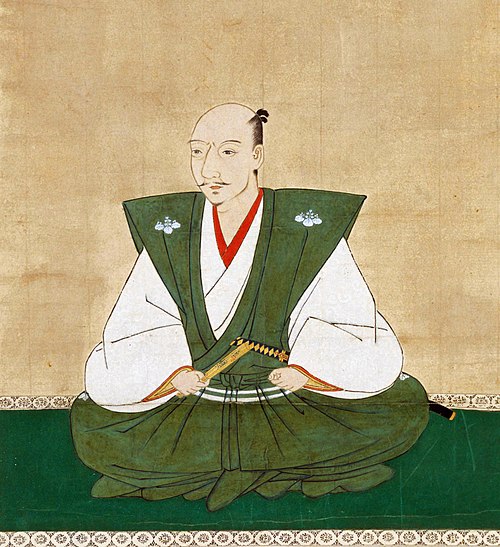
Oda Nobunaga
81Oda Nobunaga was the warlord who began the unification of Japan, a ruthless and innovative military leader who broke the power of rival lords and the warrior monks and embraced firearms and new tactics before his betrayal and death.

Toyotomi Hideyoshi
81Toyotomi Hideyoshi was the warrior-statesman who completed the unification of Japan begun by Oda Nobunaga, rising from peasant origins to rule the entire country before launching ambitious and ill-fated invasions of Korea.

Tokugawa Ieyasu
83Tokugawa Ieyasu was the patient, cunning warlord who won the final struggle to rule Japan, founding the Tokugawa shogunate that brought over 250 years of peace and stability after a century of civil war.
Oda Nobunaga
81Oda Nobunaga was the warlord who began the unification of Japan, a ruthless and innovative military leader who broke the power of rival lords and the warrior monks and embraced firearms and new tactics before his betrayal and death.
Tokugawa Ieyasu
83Tokugawa Ieyasu was the patient, cunning warlord who won the final struggle to rule Japan, founding the Tokugawa shogunate that brought over 250 years of peace and stability after a century of civil war.
Toyotomi Hideyoshi
81Toyotomi Hideyoshi was the warrior-statesman who completed the unification of Japan begun by Oda Nobunaga, rising from peasant origins to rule the entire country before launching ambitious and ill-fated invasions of Korea.

Yi Sun-sin
86Yi Sun-sin was the Korean admiral who defended Korea against the Japanese invasions of 1592–98, winning 23 naval battles without a single defeat, developing the ironclad turtle ship, and dying in his final victory — one of the greatest naval commanders in history.
Frequently Asked Questions
Who really ruled feudal Japan?
Although Japan had an emperor, real political and military power lay with the shogun and the samurai class for most of the feudal era.