King · 540 BC – 480 BC
Leonidas I
If you're interested in Leonidas I, these historical figures share a similar impact, discipline, philosophy, or era. Each recommendation explains why the connection exists.
Similar Impact & Significance

Xerxes I
80Xerxes I was the Achaemenid king of Persia who launched the massive second invasion of Greece, winning at Thermopylae but ultimately defeated at Salamis and Plataea, in one of the most famous conflicts of the ancient world.
Why The Persian king whose massive army Leonidas resisted at Thermopylae.

Themistocles
79Themistocles was an Athenian statesman and general whose foresight built the navy that saved Greece, and whose brilliant strategy at the Battle of Salamis destroyed the Persian fleet and turned back Xerxes's invasion.
Why The Athenian leader whose naval victory at Salamis followed Leonidas's stand.

Alexander the Great
96Alexander the Great was the king of Macedon who built one of the largest empires in history by his early thirties, spreading Greek culture across three continents.
Why A later Greek conqueror who would ultimately overthrow the Persian Empire.

Attila the Hun
80Attila the Hun was the fearsome ruler of the Hunnic Empire who terrorized the late Roman world in the 5th century, leading devastating invasions across Europe that earned him the name the "Scourge of God".
Why Also a king & military leader · Comparable historical impact

Frederick the Great
83Frederick the Great was the king of Prussia who made it a major European power through brilliant generalship and enlightened reform, a warrior-king and patron of the arts who embodied the ideal of the "enlightened despot".
Why Also a king & military leader · Comparable historical impact

Richard the Lionheart
80Richard the Lionheart was the king of England and a leading commander of the Third Crusade, a warrior-king whose courage and skill in battle against Saladin made him one of the most famous monarchs of the Middle Ages.
Why Also a king & military leader · Comparable historical impact

Shaka Zulu
80Shaka Zulu was the founder and greatest king of the Zulu Kingdom, a military revolutionary whose new tactics and weapons transformed warfare in southern Africa and forged a small clan into a powerful nation.
Why Also a king & military leader · Comparable historical impact

Shivaji
80Shivaji was the warrior-king who founded the Maratha Empire in western India, a brilliant guerrilla commander who challenged the mighty Mughal Empire and built a state celebrated for its administration and naval power.
Why Also a king & military leader · Comparable historical impact

Alfred the Great
80Alfred the Great was the king of Wessex who defended Anglo-Saxon England against the Vikings, reformed law, learning and defense, and is the only English monarch ever called "the Great".
Why Also a king & military leader · Comparable historical impact

Charlemagne
89Charlemagne was the King of the Franks who united much of Western Europe and was crowned Emperor in 800 AD, reviving the idea of a Roman empire in the West and sparking a cultural revival.
Why Also a king & military leader · Comparable historical impact

Clovis I
80Clovis I was the king who united the Frankish tribes into a single kingdom and converted to Catholic Christianity, founding the Merovingian dynasty and laying the foundations of medieval France.
Why Also a king & military leader · Comparable historical impact

Cyrus the Great
90Cyrus the Great was the founder of the Achaemenid Persian Empire, the largest empire the ancient world had yet seen, remembered for his military genius and his tolerance toward conquered peoples.
Why Also a king & military leader · Comparable historical impact

Darius the Great
84Darius the Great was the third king of the Achaemenid Persian Empire, who brought it to its greatest extent and organized it into an efficient system of provinces, becoming one of the most capable rulers of the ancient world.
Why Also a king & military leader · Comparable historical impact

Robert the Bruce
83Robert the Bruce was the Scottish king who won Scottish independence from England, defeating Edward II's army at the Battle of Bannockburn in 1314 and securing recognition of Scottish sovereignty in the Treaty of Edinburgh-Northampton in 1328.
Why Also a king & military leader · Comparable historical impact
Sundiata Keita
80Sundiata Keita was the founder of the Mali Empire, a warrior-prince who overcame disability and exile to defeat his rivals and unite the Mandinka peoples, creating the West African empire later made famous by Mansa Musa.
Why Also a king & military leader · Comparable historical impact
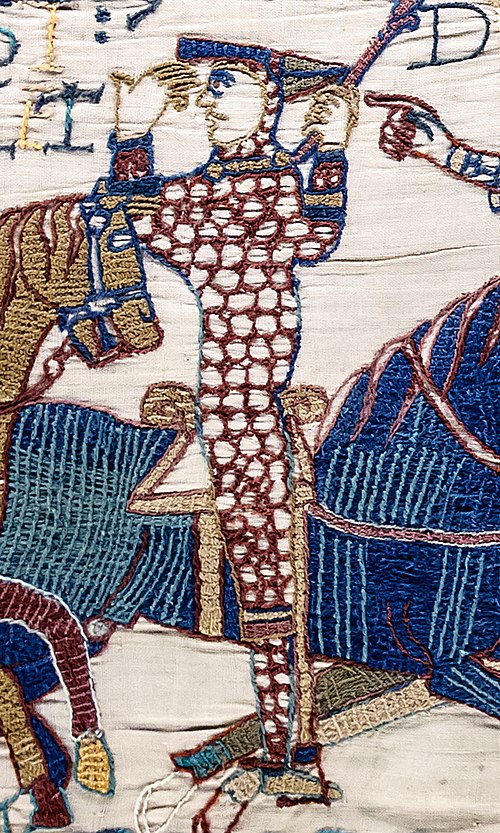
William the Conqueror
84William the Conqueror was the Duke of Normandy who invaded England in 1066, won the Battle of Hastings, and became its king, transforming English society, language and government in one of the most consequential conquests in history.
Why Also a king & military leader · Comparable historical impact

Charles Martel
81Charles Martel was the Frankish military leader who halted the Muslim advance into Western Europe at the Battle of Tours in 732, laying the foundations of the Carolingian dynasty that his grandson Charlemagne would raise to empire.
Why Also a military leader · Comparable historical impact

Geronimo
81Geronimo was the Apache leader whose decade-long guerrilla resistance against the United States and Mexico made him the most feared and pursued Native American fighter of the 19th century, requiring 5,000 US troops to finally capture 38 warriors.
Why Also a military leader · Comparable historical impact

Gjergj Kastrioti Skanderbeg
81Skanderbeg was the Albanian nobleman who defected from the Ottoman army, united the Albanian princes, and defended Albania against three decades of Ottoman campaigns — becoming the symbol of Albanian national identity and a celebrated Christian hero across 15th-century Europe.
Why Also a military leader · Comparable historical impact

Joan of Arc
85Joan of Arc was a peasant girl who, believing herself guided by divine visions, led French forces to crucial victories in the Hundred Years' War before being captured, tried and burned at the stake — and later made a saint.
Why Also a military leader · Comparable historical impact
Same Field or Discipline

Same Era or Civilization

Euripides
79Euripides was one of the three great tragedians of classical Athens, whose psychologically searching, often unsettling plays such as Medea and The Bacchae made him the most modern-feeling dramatist of the ancient world.
Why Active in the same era · From the same civilization
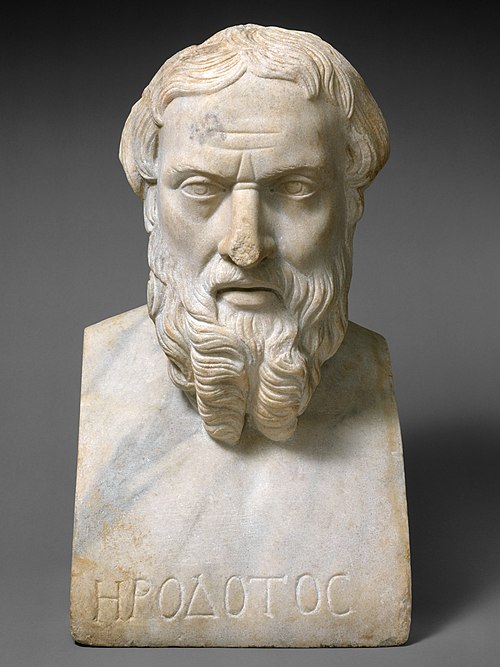
Herodotus
83Herodotus was a Greek writer of the 5th century BC, called the "Father of History" for his Histories, the first known work to systematically investigate and narrate past events as a connected inquiry.
Why Active in the same era · From the same civilization

Hippocrates
88Hippocrates was an ancient Greek physician regarded as the father of Western medicine, who established medicine as a rational discipline distinct from superstition and inspired the Hippocratic Oath.
Why Active in the same era · From the same civilization