Caliph · 763 – 809
Harun al-Rashid
If you're interested in Harun al-Rashid, these historical figures share a similar impact, discipline, philosophy, or era. Each recommendation explains why the connection exists.
Similar Impact & Significance

Charlemagne
89Charlemagne was the King of the Franks who united much of Western Europe and was crowned Emperor in 800 AD, reviving the idea of a Roman empire in the West and sparking a cultural revival.
Why The Frankish emperor with whom Harun famously exchanged embassies and gifts.

Umar ibn al-Khattab
84Umar ibn al-Khattab was the second Rashidun caliph, one of the most powerful and influential leaders in Islamic history, under whom the early Muslim state expanded into a vast empire and developed its foundational institutions of government.
Why An earlier caliph whose conquests built the empire Harun later ruled at its height.

Al-Khwarizmi
89Al-Khwarizmi was a Persian mathematician and scholar of the Islamic Golden Age, the "father of algebra", whose name gave us the word "algorithm".
Why A scholar of the Abbasid golden age that Harun's patronage helped make possible.

Emperor Taizong of Tang
82Emperor Taizong of Tang was one of the greatest emperors in Chinese history, whose reign launched the golden age of the Tang dynasty, combining military conquest with wise, benevolent government that became a model for later rulers.
Why Also a ruler · Comparable historical impact

Mehmed II
88Mehmed II was the Ottoman sultan who conquered Constantinople in 1453, ending the Byzantine Empire and the Middle Ages, transforming the city into Istanbul and making the Ottoman Empire the dominant power of the Eastern Mediterranean.
Why Also a ruler · Comparable historical impact

Abu'l-Fath Jalal-ud-din Muhammad Akbar
88Akbar was the third Mughal emperor, who expanded the empire across much of the Indian subcontinent and is remembered for his administrative reforms, religious tolerance and patronage of the arts during a long and powerful reign.
Why Also a ruler · Comparable historical impact

Akhenaten
78Akhenaten was an Egyptian pharaoh of the Eighteenth Dynasty who launched a religious revolution, replacing Egypt's many gods with the worship of a single deity, the sun-disc Aten — one of the earliest experiments with monotheism.
Why Also a ruler · Comparable historical impact

Alfred the Great
80Alfred the Great was the king of Wessex who defended Anglo-Saxon England against the Vikings, reformed law, learning and defense, and is the only English monarch ever called "the Great".
Why Also a ruler · Comparable historical impact

Ashoka the Great
90Ashoka was the third emperor of the Maurya Empire who, after a devastating war, embraced Buddhism and non-violence, becoming one of history's most remarkable rulers.
Why Also a ruler · Comparable historical impact

Atahualpa
78Atahualpa was the last independent ruler of the Inca Empire, who had just won a civil war for the throne when he was captured and executed by the Spanish conquistador Francisco Pizarro, ending Inca rule over the Andes.
Why Also a ruler · Comparable historical impact

Babur
81Babur was the Central Asian conqueror who founded the Mughal Empire, a descendant of Tamerlane and Genghis Khan who, after losing his ancestral lands, invaded India and established one of the greatest empires in its history.
Why Also a ruler · Comparable historical impact

Boudicca
80Boudicca was the queen of the Iceni tribe who led a major uprising against Roman rule in Britain around 60–61 CE, sacking Camulodunum, Londinium, and Verulamium before being defeated by the Roman governor Paulinus.
Why Also a ruler · Comparable historical impact

Catherine de' Medici
84Catherine de' Medici was the Italian-born queen consort and regent of France who governed the kingdom through three of her sons' reigns, navigated the devastating Wars of Religion between Catholics and Huguenots, and shaped French politics for thirty years.
Why Also a ruler · Comparable historical impact

Catherine II of Russia
87Catherine the Great was Empress of Russia for more than three decades, an enlightened despot who expanded the empire, modernized its administration, and made her court a brilliant centre of art and learning.
Why Also a ruler · Comparable historical impact

Chandragupta Maurya
85Chandragupta Maurya was the founder of the Maurya Empire, who united most of the Indian subcontinent for the first time and established one of the ancient world's great states.
Why Also a ruler · Comparable historical impact

Charles Martel
81Charles Martel was the Frankish military leader who halted the Muslim advance into Western Europe at the Battle of Tours in 732, laying the foundations of the Carolingian dynasty that his grandson Charlemagne would raise to empire.
Why Also a ruler · Comparable historical impact
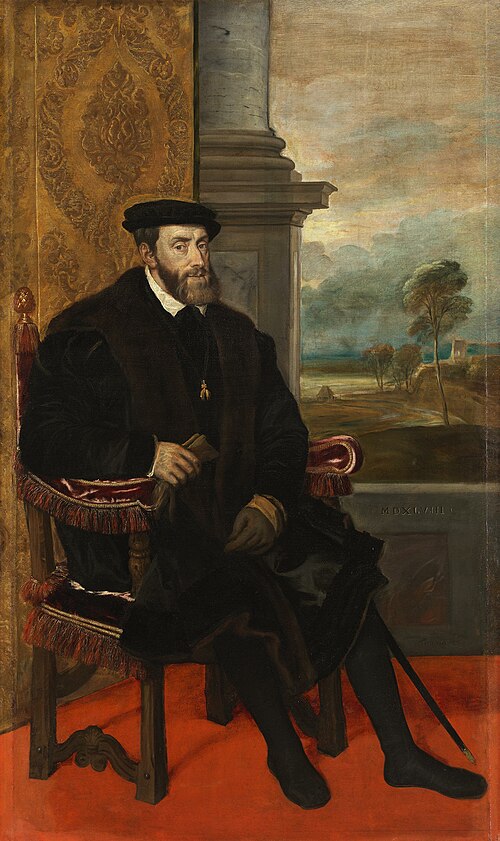
Charles V
83Charles V was the Holy Roman Emperor and king of Spain who ruled the largest European empire since Charlemagne, struggling to hold together a vast realm against the rise of Protestantism, France, and the Ottoman Empire before abdicating his crowns.
Why Also a ruler · Comparable historical impact

Chiang Kai-shek
82Chiang Kai-shek was the Chinese Nationalist leader who unified China in the late 1920s, led the country through the Japanese invasion in World War II, but lost the Chinese Civil War to Mao Zedong and retreated to Taiwan, which he ruled until his death.
Why Also a ruler · Comparable historical impact

Cleopatra VII
90Cleopatra VII was the last active ruler of the Ptolemaic Kingdom of Egypt, a shrewd and learned monarch whose alliances with Julius Caesar and Mark Antony placed her at the center of Roman politics.
Why Also a ruler · Comparable historical impact

Clovis I
80Clovis I was the king who united the Frankish tribes into a single kingdom and converted to Catholic Christianity, founding the Merovingian dynasty and laying the foundations of medieval France.
Why Also a ruler · Comparable historical impact

Constantine the Great
87Constantine the Great was the Roman emperor who became the first to embrace Christianity, ended its persecution, and founded Constantinople as a new capital — decisions that reshaped the Roman world and the future of Europe.
Why Also a ruler · Comparable historical impact

Cyrus the Great
90Cyrus the Great was the founder of the Achaemenid Persian Empire, the largest empire the ancient world had yet seen, remembered for his military genius and his tolerance toward conquered peoples.
Why Also a ruler · Comparable historical impact

Darius the Great
84Darius the Great was the third king of the Achaemenid Persian Empire, who brought it to its greatest extent and organized it into an efficient system of provinces, becoming one of the most capable rulers of the ancient world.
Why Also a ruler · Comparable historical impact
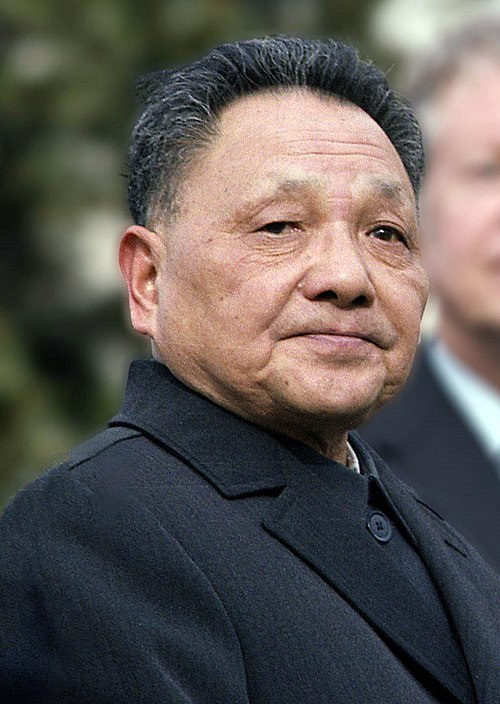
Deng Xiaoping
89Deng Xiaoping was the Chinese leader who reversed Mao Zedong's catastrophic policies after 1978, opening China to market reforms that transformed it from a poor agrarian country into the world's second-largest economy.
Why Also a ruler · Comparable historical impact