Tsar · 1530 – 1584
Ivan the Terrible
If you're interested in Ivan the Terrible, these historical figures share a similar impact, discipline, philosophy, or era. Each recommendation explains why the connection exists.
Similar Impact & Significance

Peter the Great
85Peter the Great was the Russian tsar who transformed Russia into a major European power, modernizing its army, government and society along Western lines and founding the new capital of Saint Petersburg.
Why His successor a century later, who completed the transformation of Russia into a great European power Ivan had begun.

Catherine II of Russia
87Catherine the Great was Empress of Russia for more than three decades, an enlightened despot who expanded the empire, modernized its administration, and made her court a brilliant centre of art and learning.
Why A later Russian ruler whose reforming reign contrasted sharply with Ivan's paranoid terror.

Alfred the Great
80Alfred the Great was the king of Wessex who defended Anglo-Saxon England against the Vikings, reformed law, learning and defense, and is the only English monarch ever called "the Great".
Why Also a military leader & ruler · Comparable historical impact

Babur
81Babur was the Central Asian conqueror who founded the Mughal Empire, a descendant of Tamerlane and Genghis Khan who, after losing his ancestral lands, invaded India and established one of the greatest empires in its history.
Why Also a military leader & ruler · Comparable historical impact

Boudicca
80Boudicca was the queen of the Iceni tribe who led a major uprising against Roman rule in Britain around 60–61 CE, sacking Camulodunum, Londinium, and Verulamium before being defeated by the Roman governor Paulinus.
Why Also a military leader & ruler · Comparable historical impact

Chandragupta Maurya
85Chandragupta Maurya was the founder of the Maurya Empire, who united most of the Indian subcontinent for the first time and established one of the ancient world's great states.
Why Also a ruler & military leader · Comparable historical impact

Charlemagne
89Charlemagne was the King of the Franks who united much of Western Europe and was crowned Emperor in 800 AD, reviving the idea of a Roman empire in the West and sparking a cultural revival.
Why Also a ruler & military leader · Comparable historical impact

Charles Martel
81Charles Martel was the Frankish military leader who halted the Muslim advance into Western Europe at the Battle of Tours in 732, laying the foundations of the Carolingian dynasty that his grandson Charlemagne would raise to empire.
Why Also a military leader & ruler · Comparable historical impact

Clovis I
80Clovis I was the king who united the Frankish tribes into a single kingdom and converted to Catholic Christianity, founding the Merovingian dynasty and laying the foundations of medieval France.
Why Also a military leader & ruler · Comparable historical impact

Constantine the Great
87Constantine the Great was the Roman emperor who became the first to embrace Christianity, ended its persecution, and founded Constantinople as a new capital — decisions that reshaped the Roman world and the future of Europe.
Why Also a ruler & military leader · Comparable historical impact

Cyrus the Great
90Cyrus the Great was the founder of the Achaemenid Persian Empire, the largest empire the ancient world had yet seen, remembered for his military genius and his tolerance toward conquered peoples.
Why Also a ruler & military leader · Comparable historical impact

Darius the Great
84Darius the Great was the third king of the Achaemenid Persian Empire, who brought it to its greatest extent and organized it into an efficient system of provinces, becoming one of the most capable rulers of the ancient world.
Why Also a ruler & military leader · Comparable historical impact

El Cid
81El Cid was the Castilian knight and military leader who conquered Valencia and held it as an independent principality, becoming the greatest hero of medieval Spain and the subject of the earliest Spanish epic poem.
Why Also a military leader & ruler · Comparable historical impact

Emperor Taizong of Tang
82Emperor Taizong of Tang was one of the greatest emperors in Chinese history, whose reign launched the golden age of the Tang dynasty, combining military conquest with wise, benevolent government that became a model for later rulers.
Why Also a ruler & military leader · Comparable historical impact

Frederick Barbarossa
80Frederick Barbarossa was the Holy Roman Emperor who sought to restore imperial power over Germany and Italy, a towering figure of the 12th century whose long reign and legendary death on crusade made him a German national myth.
Why Also a military leader & ruler · Comparable historical impact

Frederick the Great
83Frederick the Great was the king of Prussia who made it a major European power through brilliant generalship and enlightened reform, a warrior-king and patron of the arts who embodied the ideal of the "enlightened despot".
Why Also a military leader & ruler · Comparable historical impact
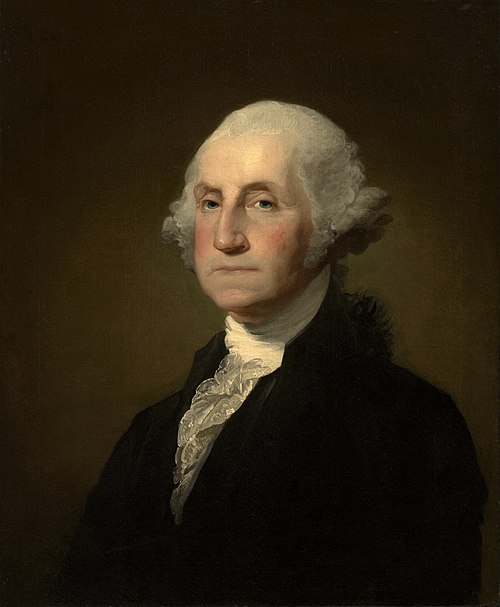
George Washington
91George Washington was the commander of the Continental Army in the American Revolution and the first President of the United States, whose leadership and restraint shaped the new republic.
Why Also a military leader & ruler · Comparable historical impact

Kublai Khan
83Kublai Khan was the grandson of Genghis Khan who completed the Mongol conquest of China and founded the Yuan dynasty, ruling the largest realm of his age and welcoming travelers such as Marco Polo to his fabled court.
Why Also a ruler & military leader · Comparable historical impact

Liu Bang
83Liu Bang was a peasant who rose to become the founder of the Han dynasty, one of the longest and greatest dynasties in Chinese history, establishing a model of imperial government that would endure for two thousand years.
Why Also a ruler & military leader · Comparable historical impact
Same Field or Discipline

Nicholas II
80Nicholas II was the last Tsar of Russia whose failures of leadership — autocratic rigidity, military catastrophe in World War I, and refusal to reform — led to his abdication in 1917, the Bolshevik seizure of power, and his execution with his family by the Soviets in 1918.
Why Also a tsar & ruler · From the same civilization

Abu'l-Fath Jalal-ud-din Muhammad Akbar
88Akbar was the third Mughal emperor, who expanded the empire across much of the Indian subcontinent and is remembered for his administrative reforms, religious tolerance and patronage of the arts during a long and powerful reign.
Why Also a ruler & military leader · Active in the same era

Mehmed II
88Mehmed II was the Ottoman sultan who conquered Constantinople in 1453, ending the Byzantine Empire and the Middle Ages, transforming the city into Istanbul and making the Ottoman Empire the dominant power of the Eastern Mediterranean.
Why Also a military leader & ruler · Active in the same era
Suleiman I
90Suleiman the Magnificent was the longest-reigning sultan of the Ottoman Empire, who led it to the height of its power through military conquest, legal reform and a brilliant flowering of art and architecture.
Why Also a ruler & military leader · Active in the same era

Vlad the Impaler
79Vlad the Impaler was the 15th-century ruler of Wallachia (in modern Romania) who became notorious for impaling his enemies on stakes, defended his land against Ottoman expansion, and became the historical inspiration for Bram Stoker's fictional Dracula.
Why Also a military leader & ruler · Active in the same era