Military Leader · 1162 – 1227
Genghis Khan
If you're interested in Genghis Khan, these historical figures share a similar impact, discipline, philosophy, or era. Each recommendation explains why the connection exists.
Similar Impact & Significance

Alexander the Great
96Alexander the Great was the king of Macedon who built one of the largest empires in history by his early thirties, spreading Greek culture across three continents.
Why A fellow conqueror whose empire rivals Genghis Khan's in fame, though far smaller in extent.

Napoleon Bonaparte
94Napoleon Bonaparte was a French military and political leader who rose during the French Revolution, crowned himself Emperor, and dominated European affairs for over a decade.
Why Another military genius who built and lost a vast empire through bold campaigning.

Qin Shi Huang
92Qin Shi Huang was the founder of the Qin dynasty and the first emperor of a unified China, who standardized the state, began the Great Wall, and built the Terracotta Army.
Why Both reshaped Asia — one unifying China, the other conquering much of the continent.

Abu'l-Fath Jalal-ud-din Muhammad Akbar
88Akbar was the third Mughal emperor, who expanded the empire across much of the Indian subcontinent and is remembered for his administrative reforms, religious tolerance and patronage of the arts during a long and powerful reign.
Why Also a emperor & ruler · Comparable historical impact

Chandragupta Maurya
85Chandragupta Maurya was the founder of the Maurya Empire, who united most of the Indian subcontinent for the first time and established one of the ancient world's great states.
Why Also a emperor & ruler · Comparable historical impact

Ashoka the Great
90Ashoka was the third emperor of the Maurya Empire who, after a devastating war, embraced Buddhism and non-violence, becoming one of history's most remarkable rulers.
Why Also a emperor & ruler · Comparable historical impact

Augustus
94Augustus was the first Roman emperor, the heir of Julius Caesar who ended a century of civil war, established the Roman Empire, and inaugurated the Pax Romana.
Why Also a emperor & ruler · Comparable historical impact

Cyrus the Great
90Cyrus the Great was the founder of the Achaemenid Persian Empire, the largest empire the ancient world had yet seen, remembered for his military genius and his tolerance toward conquered peoples.
Why Also a ruler & military leader · Comparable historical impact
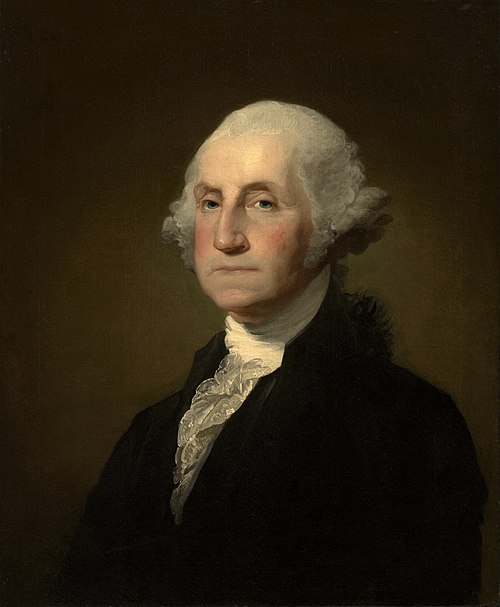
George Washington
91George Washington was the commander of the Continental Army in the American Revolution and the first President of the United States, whose leadership and restraint shaped the new republic.
Why Also a military leader & ruler · Comparable historical impact

Marcus Aurelius
90Marcus Aurelius was a Roman emperor and Stoic philosopher, the last of the "Five Good Emperors", whose private journal, the Meditations, is the most cherished work of Stoic thought.
Why Also a emperor & ruler · Comparable historical impact

Ramesses II
84Ramesses II was the most powerful pharaoh of Egypt's New Kingdom, whose 66-year reign brought military campaigns, colossal building projects and a prosperity that earned him the title Ramesses the Great.
Why Also a ruler & military leader · Comparable historical impact
Suleiman I
90Suleiman the Magnificent was the longest-reigning sultan of the Ottoman Empire, who led it to the height of its power through military conquest, legal reform and a brilliant flowering of art and architecture.
Why Also a ruler & military leader · Comparable historical impact

Hannibal Barca
91Hannibal Barca was a Carthaginian general regarded as one of the greatest military commanders in history, famed for crossing the Alps with war elephants to invade Italy during the Second Punic War.
Why Also a military leader · Comparable historical impact

Julius Caesar
95Julius Caesar was a Roman general and statesman whose conquest of Gaul and victory in civil war made him dictator of Rome, ending the Republic and paving the way for the Empire.
Why Also a military leader · Comparable historical impact

Catherine II of Russia
87Catherine the Great was Empress of Russia for more than three decades, an enlightened despot who expanded the empire, modernized its administration, and made her court a brilliant centre of art and learning.
Why Also a ruler · Comparable historical impact

Cleopatra VII
90Cleopatra VII was the last active ruler of the Ptolemaic Kingdom of Egypt, a shrewd and learned monarch whose alliances with Julius Caesar and Mark Antony placed her at the center of Roman politics.
Why Also a ruler · Comparable historical impact

Elizabeth I
89Elizabeth I was Queen of England from 1558 to 1603, whose long and stable reign — the Elizabethan era — saw a golden age of culture, the defeat of the Spanish Armada, and England's rise as a sea power.
Why Also a ruler · Comparable historical impact

Hammurabi
86Hammurabi was the sixth king of Babylon who united Mesopotamia under his rule and issued the Code of Hammurabi, one of the earliest and most complete written law codes in history.
Why Also a ruler · Comparable historical impact

Hatshepsut
83Hatshepsut was one of the few women to rule ancient Egypt as pharaoh in her own right, a peaceful and prosperous reign marked by ambitious building projects and far-reaching trade.
Why Also a ruler · Comparable historical impact

Dante Alighieri
93Dante Alighieri was an Italian poet of the late Middle Ages whose masterpiece, the Divine Comedy, is considered one of the greatest works of world literature and helped establish the Italian language.
Why Active in the same era · Comparable historical impact
Same Field or Discipline

Charlemagne
89Charlemagne was the King of the Franks who united much of Western Europe and was crowned Emperor in 800 AD, reviving the idea of a Roman empire in the West and sparking a cultural revival.
Why Also a emperor & ruler · Active in the same era

Saladin
86Saladin was a Kurdish Muslim sultan who founded the Ayyubid dynasty, united Egypt and Syria, and famously recaptured Jerusalem from the Crusaders, earning renown even among his enemies for his chivalry.
Why Also a military leader & ruler · Active in the same era

Mansa Musa
82Mansa Musa was the ruler of the Mali Empire at its height in the 14th century, remembered as one of the wealthiest individuals in history and famed for a lavish pilgrimage to Mecca that announced West Africa's riches to the world.
Why Also a emperor & ruler · Active in the same era

Joan of Arc
85Joan of Arc was a peasant girl who, believing herself guided by divine visions, led French forces to crucial victories in the Hundred Years' War before being captured, tried and burned at the stake — and later made a saint.
Why Also a military leader · Active in the same era