Conquistador · 1478 – 1541
Francisco Pizarro
If you're interested in Francisco Pizarro, these historical figures share a similar impact, discipline, philosophy, or era. Each recommendation explains why the connection exists.
Similar Impact & Significance

Atahualpa
78Atahualpa was the last independent ruler of the Inca Empire, who had just won a civil war for the throne when he was captured and executed by the Spanish conquistador Francisco Pizarro, ending Inca rule over the Andes.
Why The Inca emperor whom Pizarro captured and executed.

Hernán Cortés
80Hernán Cortés was a Spanish conquistador who led the expedition that overthrew the Aztec Empire, bringing much of Mexico under Spanish rule and inaugurating centuries of colonial domination.
Why The conquistador of the Aztecs, Pizarro's distant kinsman and inspiration.

Christopher Columbus
85Christopher Columbus was an Italian explorer who, sailing for Spain in 1492, opened sustained European contact with the Americas — a voyage of immense and deeply controversial consequence.
Why Whose voyages opened the Americas to the Spanish conquest Pizarro carried out.

Babur
81Babur was the Central Asian conqueror who founded the Mughal Empire, a descendant of Tamerlane and Genghis Khan who, after losing his ancestral lands, invaded India and established one of the greatest empires in its history.
Why Also a military leader · Comparable historical impact

Khalid ibn al-Walid
80Khalid ibn al-Walid was one of the greatest military commanders in history, the general whose undefeated campaigns won the early Islamic conquests of Arabia, Persia and the Roman Levant for the first caliphs.
Why Also a military leader · Comparable historical impact

Mehmed II
88Mehmed II was the Ottoman sultan who conquered Constantinople in 1453, ending the Byzantine Empire and the Middle Ages, transforming the city into Istanbul and making the Ottoman Empire the dominant power of the Eastern Mediterranean.
Why Also a military leader · Comparable historical impact

Tamerlane
81Tamerlane was a Turco-Mongol conqueror who built a vast empire from Central Asia, the last of the great steppe conquerors, whose brilliant and brutal campaigns made him master of much of the Islamic world while his capital Samarkand flourished.
Why Also a military leader · Comparable historical impact
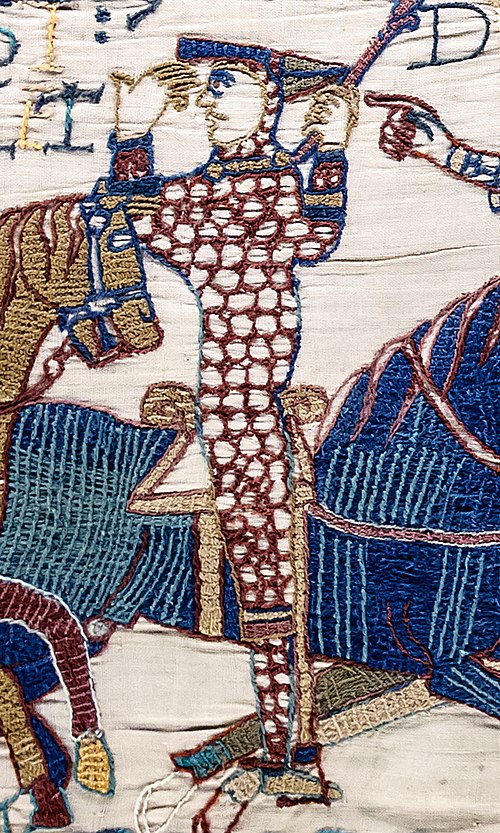
William the Conqueror
84William the Conqueror was the Duke of Normandy who invaded England in 1066, won the Battle of Hastings, and became its king, transforming English society, language and government in one of the most consequential conquests in history.
Why Also a military leader · Comparable historical impact

Abu'l-Fath Jalal-ud-din Muhammad Akbar
88Akbar was the third Mughal emperor, who expanded the empire across much of the Indian subcontinent and is remembered for his administrative reforms, religious tolerance and patronage of the arts during a long and powerful reign.
Why Also a military leader · Comparable historical impact

Alexander Hamilton
87Alexander Hamilton was the American Founding Father who designed the United States financial system, co-wrote the Federalist Papers, founded the first national bank, served as the first Secretary of the Treasury, and was killed in a duel by Vice President Aaron Burr in 1804.
Why Also a military leader · Comparable historical impact

Alexander von Humboldt
81Alexander von Humboldt was a Prussian naturalist and explorer whose pioneering expeditions and best-selling books — including the vast Cosmos — founded modern geography and ecology and made him one of the most famous scientists and authors of his age.
Why Also a explorer · Comparable historical impact

Alfred the Great
80Alfred the Great was the king of Wessex who defended Anglo-Saxon England against the Vikings, reformed law, learning and defense, and is the only English monarch ever called "the Great".
Why Also a military leader · Comparable historical impact

Attila the Hun
80Attila the Hun was the fearsome ruler of the Hunnic Empire who terrorized the late Roman world in the 5th century, leading devastating invasions across Europe that earned him the name the "Scourge of God".
Why Also a military leader · Comparable historical impact

Boudicca
80Boudicca was the queen of the Iceni tribe who led a major uprising against Roman rule in Britain around 60–61 CE, sacking Camulodunum, Londinium, and Verulamium before being defeated by the Roman governor Paulinus.
Why Also a military leader · Comparable historical impact

Chandragupta Maurya
85Chandragupta Maurya was the founder of the Maurya Empire, who united most of the Indian subcontinent for the first time and established one of the ancient world's great states.
Why Also a military leader · Comparable historical impact

Charlemagne
89Charlemagne was the King of the Franks who united much of Western Europe and was crowned Emperor in 800 AD, reviving the idea of a Roman empire in the West and sparking a cultural revival.
Why Also a military leader · Comparable historical impact

Charles Martel
81Charles Martel was the Frankish military leader who halted the Muslim advance into Western Europe at the Battle of Tours in 732, laying the foundations of the Carolingian dynasty that his grandson Charlemagne would raise to empire.
Why Also a military leader · Comparable historical impact

Che Guevara
83Che Guevara was the Argentine Marxist revolutionary who helped Fidel Castro seize power in Cuba, theorized guerrilla warfare as the path to revolution in the developing world, and became an iconic symbol of rebellion after his execution in Bolivia in 1967.
Why Also a military leader · Comparable historical impact
Same Field or Discipline

Ferdinand Magellan
86Ferdinand Magellan was a Portuguese explorer who, in the service of Spain, led the first expedition to circumnavigate the globe, proving the world could be sailed around even though he died midway through the voyage.
Why Also a explorer · Active in the same era

El Cid
81El Cid was the Castilian knight and military leader who conquered Valencia and held it as an independent principality, becoming the greatest hero of medieval Spain and the subject of the earliest Spanish epic poem.
Why Also a military leader · From the same civilization
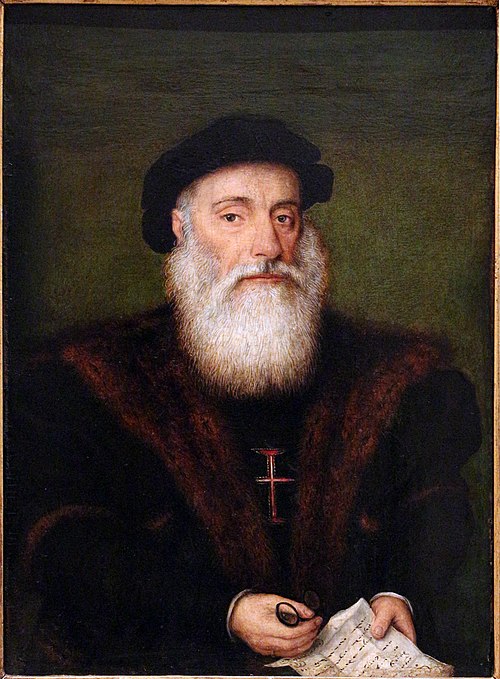
Vasco da Gama
82Vasco da Gama was a Portuguese explorer and navigator who opened the first sea route from Europe to India around the southern tip of Africa, transforming global trade.
Why Also a explorer · Active in the same era

Zheng He
83Zheng He was a Chinese admiral and explorer of the Ming dynasty who commanded vast treasure fleets on seven voyages across the Indian Ocean, reaching as far as Arabia and East Africa.
Why Also a explorer · Active in the same era
Same Era or Civilization

Isabella I of Castile
83Isabella I of Castile was the queen whose marriage to Ferdinand of Aragon united Spain, who completed the Reconquista by conquering Granada, and who sponsored the voyage of Christopher Columbus that opened the Americas to Europe.
Why Active in the same era · From the same civilization
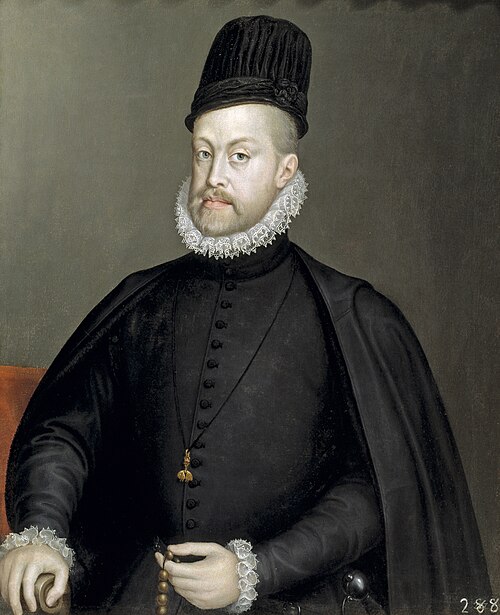
Philip II of Spain
83Philip II was the king of Spain who ruled the first global empire "on which the sun never set", a devout and powerful monarch whose reign marked the height of Spanish power, the defense of Catholicism, and the famous defeat of the Spanish Armada.
Why Active in the same era · From the same civilization