Explorer · 1451 – 1506
Christopher Columbus
Key Takeaways
- Columbus reached the Americas in 1492 while seeking a westward route to Asia.
- His voyages opened sustained contact between Europe and the Americas.
- He never realized he had reached a continent unknown to Europe.
- His legacy is deeply contested due to the colonization and suffering that followed.
Christopher Columbus is among the most consequential — and most controversial — figures in history. An ambitious Genoese navigator, he persuaded the Spanish crown to back a daring scheme: to reach Asia by sailing west across the open Atlantic.
The voyage of 1492
In October 1492, after weeks at sea, Columbus made landfall in the Caribbean. He believed he had reached the outskirts of Asia and died still insisting on it — never grasping that he had opened European contact with two entire continents unknown to the Old World.
The Columbian Exchange
His four voyages launched the Age of Exploration in earnest and the great Columbian Exchange of crops, animals, people and diseases between hemispheres — a transformation that reshaped global agriculture, demographics and power.
A contested legacy
That legacy is dark as well as momentous. Columbus’s rule over Hispaniola was brutal, and his voyages began the conquest, enslavement and catastrophic decline of the Americas’ indigenous peoples. Once celebrated without reservation, he is today remembered with profound ambivalence — a figure who opened a new era at a terrible human cost.
Influence
Columbus's voyages permanently linked the hemispheres, reshaping global trade, agriculture, demographics and power — while unleashing centuries of colonization that devastated the Americas' native civilizations.
Legacy
Once celebrated unreservedly as a heroic discoverer, Columbus is today a deeply contested figure, remembered both for opening a new era and for the suffering it brought.
Controversies
- His governance of Hispaniola was brutal, and his voyages began the conquest, enslavement and devastation of indigenous peoples.
- He died still insisting he had reached Asia, not a new continent.
Notable Quotes
“Following the light of the sun, we left the Old World.”
Connections
Frequently Asked Questions
Who was Christopher Columbus?
Christopher Columbus (c. 1451–1506) was an Italian explorer who, sailing for Spain in 1492, opened sustained European contact with the Americas.
Why is Columbus controversial?
Because his voyages, while historically momentous, began the European conquest, enslavement and devastation of the indigenous peoples of the Americas.
Citations & Sources
People Like Christopher

Elizabeth I
89Elizabeth I was Queen of England from 1558 to 1603, whose long and stable reign — the Elizabethan era — saw a golden age of culture, the defeat of the Spanish Armada, and England's rise as a sea power.
Why A monarch of the same era of European maritime expansion that Columbus helped begin.

Ferdinand Magellan
86Ferdinand Magellan was a Portuguese explorer who, in the service of Spain, led the first expedition to circumnavigate the globe, proving the world could be sailed around even though he died midway through the voyage.
Why Also a explorer & navigator · Active in the same era
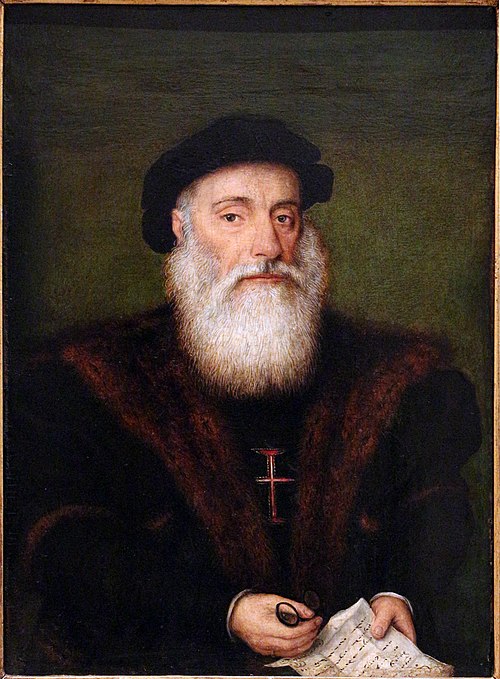
Vasco da Gama
82Vasco da Gama was a Portuguese explorer and navigator who opened the first sea route from Europe to India around the southern tip of Africa, transforming global trade.
Why Also a explorer & navigator · Active in the same era

Zheng He
83Zheng He was a Chinese admiral and explorer of the Ming dynasty who commanded vast treasure fleets on seven voyages across the Indian Ocean, reaching as far as Arabia and East Africa.
Why Also a explorer & navigator · Active in the same era

Hernán Cortés
80Hernán Cortés was a Spanish conquistador who led the expedition that overthrew the Aztec Empire, bringing much of Mexico under Spanish rule and inaugurating centuries of colonial domination.
Why Also a explorer · Active in the same era
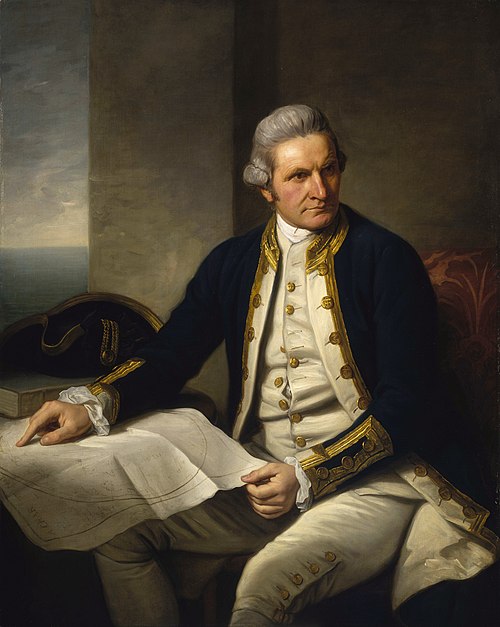
James Cook
84James Cook was a British explorer, navigator and cartographer whose three Pacific voyages charted New Zealand, the eastern coast of Australia and many Pacific islands with unprecedented accuracy.
Why Also a explorer & navigator · Comparable historical impact