Poet · 1888 – 1965
T. S. Eliot
Key Takeaways
- Eliot was a defining poet of literary modernism.
- His 1922 poem The Waste Land redefined 20th-century poetry.
- He was also a hugely influential literary critic.
- He won the Nobel Prize in Literature in 1948.
In 1922, two books remade modern literature: James Joyce’s Ulysses and T. S. Eliot’s poem The Waste Land. Both shattered old forms — and Eliot’s fragmented, haunted verse became the defining poem of literary modernism.
The Waste Land
Born in St. Louis but settled in Britain, Eliot built The Waste Land from fragments, quotations and many languages to capture the spiritual desolation of Europe after World War I. Earlier, “The Love Song of J. Alfred Prufrock” had already announced a startling new voice — anxious, ironic and modern.
Poet and critic
Eliot shaped his era twice over: as a poet and as a powerful literary critic who changed how readers judged the past. A friend of Virginia Woolf and a peer of W. B. Yeats, this Nobel-winning poet of the modern era reached even popular culture — his light verse became the musical Cats.
Influence
Eliot's fragmented, allusive style and his criticism reshaped both how poetry was written and how it was read, defining modernism for a generation.
Legacy
From The Waste Land to the musical Cats based on his light verse, Eliot's influence spans high modernism and popular culture alike.
Major Works
- The Waste Land
- The Love Song of J. Alfred Prufrock
- Four Quartets
Connections
Frequently Asked Questions
Who was T. S. Eliot?
T. S. Eliot (1888–1965) was an American-British poet and critic, a leader of literary modernism, author of The Waste Land and winner of the 1948 Nobel Prize in Literature.
What is The Waste Land about?
The Waste Land is a fragmented, allusive poem reflecting the spiritual desolation of Europe after World War I, widely seen as a landmark of modernist poetry.
Citations & Sources
People Like T.

William Butler Yeats
80William Butler Yeats was an Irish poet and dramatist, one of the greatest poets of the 20th century and a driving force of the Irish Literary Revival, who won the Nobel Prize in Literature and helped found Ireland's national theatre.
Why A leading modern poet of the same era, often considered alongside Eliot.

James Joyce
82James Joyce was an Irish novelist whose experimental masterpiece Ulysses is widely regarded as the greatest novel of the 20th century, and whose innovations in language and stream of consciousness transformed modern literature.
Why A fellow modernist whose Ulysses appeared the same year as The Waste Land.

Virginia Woolf
81Virginia Woolf was an English writer, a central figure of literary modernism, whose novels Mrs Dalloway and To the Lighthouse pioneered stream of consciousness, and whose essay A Room of One's Own became a landmark of feminist thought.
Why A modernist contemporary and friend whose Hogarth Press published Eliot's poetry.

Alexander Pushkin
81Alexander Pushkin was a Russian poet, playwright and novelist, regarded as the founder of modern Russian literature, whose verse novel Eugene Onegin and other works shaped the language and the writers who followed him.
Why Also a poet & playwright · Active in the same era

Edgar Allan Poe
81Edgar Allan Poe was an American writer and poet, a master of the macabre, who invented the detective story, helped shape the modern short story and science fiction, and gave the world haunting tales and poems such as "The Raven".
Why Also a poet & critic · Active in the same era
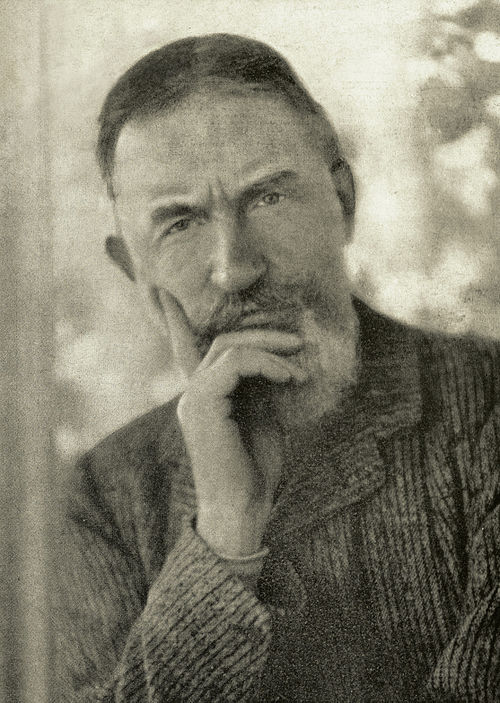
George Bernard Shaw
80George Bernard Shaw was an Irish playwright, critic and polemicist, the leading dramatist of his age after Shakespeare, whose witty, idea-driven plays such as Pygmalion won him the Nobel Prize in Literature and, uniquely, an Academy Award.
Why Also a playwright & critic · Active in the same era