King · 550 BC – 486 BC
Darius the Great
If you're interested in Darius the Great, these historical figures share a similar impact, discipline, philosophy, or era. Each recommendation explains why the connection exists.
Similar Impact & Significance

Cyrus the Great
90Cyrus the Great was the founder of the Achaemenid Persian Empire, the largest empire the ancient world had yet seen, remembered for his military genius and his tolerance toward conquered peoples.
Why The founder of the Persian Empire that Darius expanded and organized.

Xerxes I
80Xerxes I was the Achaemenid king of Persia who launched the massive second invasion of Greece, winning at Thermopylae but ultimately defeated at Salamis and Plataea, in one of the most famous conflicts of the ancient world.
Why His son and successor, who continued the war against Greece.

Alexander the Great
96Alexander the Great was the king of Macedon who built one of the largest empires in history by his early thirties, spreading Greek culture across three continents.
Why The Macedonian conqueror who would later destroy the empire Darius built.

Alfred the Great
80Alfred the Great was the king of Wessex who defended Anglo-Saxon England against the Vikings, reformed law, learning and defense, and is the only English monarch ever called "the Great".
Why Also a king & military leader · Comparable historical impact

Charlemagne
89Charlemagne was the King of the Franks who united much of Western Europe and was crowned Emperor in 800 AD, reviving the idea of a Roman empire in the West and sparking a cultural revival.
Why Also a ruler & king · Comparable historical impact

Clovis I
80Clovis I was the king who united the Frankish tribes into a single kingdom and converted to Catholic Christianity, founding the Merovingian dynasty and laying the foundations of medieval France.
Why Also a king & military leader · Comparable historical impact

Frederick the Great
83Frederick the Great was the king of Prussia who made it a major European power through brilliant generalship and enlightened reform, a warrior-king and patron of the arts who embodied the ideal of the "enlightened despot".
Why Also a king & military leader · Comparable historical impact

Robert the Bruce
83Robert the Bruce was the Scottish king who won Scottish independence from England, defeating Edward II's army at the Battle of Bannockburn in 1314 and securing recognition of Scottish sovereignty in the Treaty of Edinburgh-Northampton in 1328.
Why Also a king & military leader · Comparable historical impact

Shaka Zulu
80Shaka Zulu was the founder and greatest king of the Zulu Kingdom, a military revolutionary whose new tactics and weapons transformed warfare in southern Africa and forged a small clan into a powerful nation.
Why Also a king & military leader · Comparable historical impact

Shivaji
80Shivaji was the warrior-king who founded the Maratha Empire in western India, a brilliant guerrilla commander who challenged the mighty Mughal Empire and built a state celebrated for its administration and naval power.
Why Also a king & military leader · Comparable historical impact
Sundiata Keita
80Sundiata Keita was the founder of the Mali Empire, a warrior-prince who overcame disability and exile to defeat his rivals and unite the Mandinka peoples, creating the West African empire later made famous by Mansa Musa.
Why Also a king & military leader · Comparable historical impact
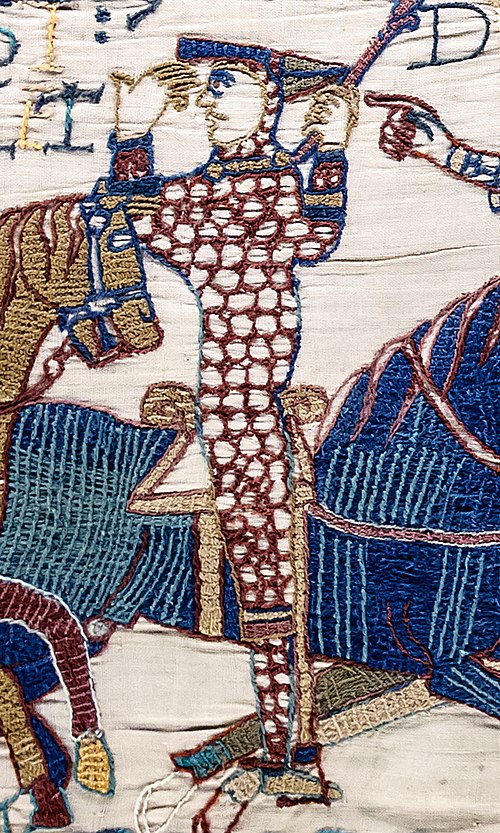
William the Conqueror
84William the Conqueror was the Duke of Normandy who invaded England in 1066, won the Battle of Hastings, and became its king, transforming English society, language and government in one of the most consequential conquests in history.
Why Also a king & military leader · Comparable historical impact
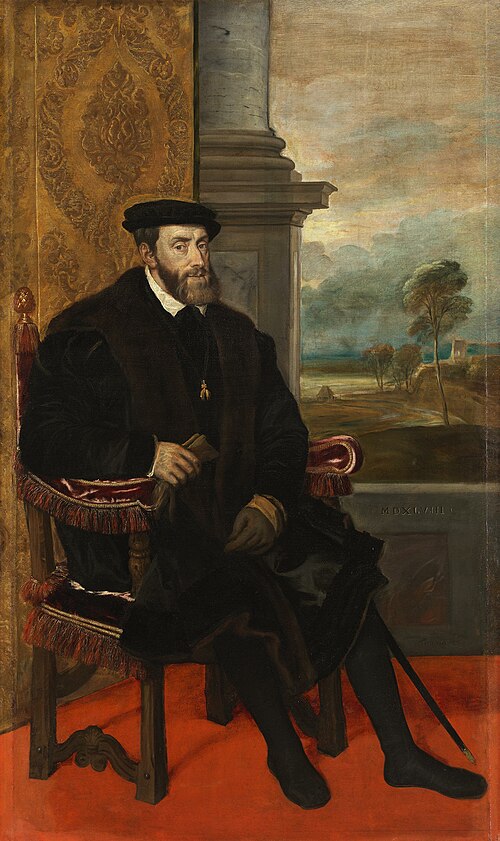
Charles V
83Charles V was the Holy Roman Emperor and king of Spain who ruled the largest European empire since Charlemagne, struggling to hold together a vast realm against the rise of Protestantism, France, and the Ottoman Empire before abdicating his crowns.
Why Also a king & ruler · Comparable historical impact

Kaiser Wilhelm II
82Kaiser Wilhelm II was the last German Emperor and King of Prussia, whose erratic and belligerent foreign policy helped plunge Europe into World War I, ending with his abdication in 1918 and the collapse of the German Empire.
Why Also a king & ruler · Comparable historical impact

Liu Bang
83Liu Bang was a peasant who rose to become the founder of the Han dynasty, one of the longest and greatest dynasties in Chinese history, establishing a model of imperial government that would endure for two thousand years.
Why Also a ruler & military leader · Comparable historical impact
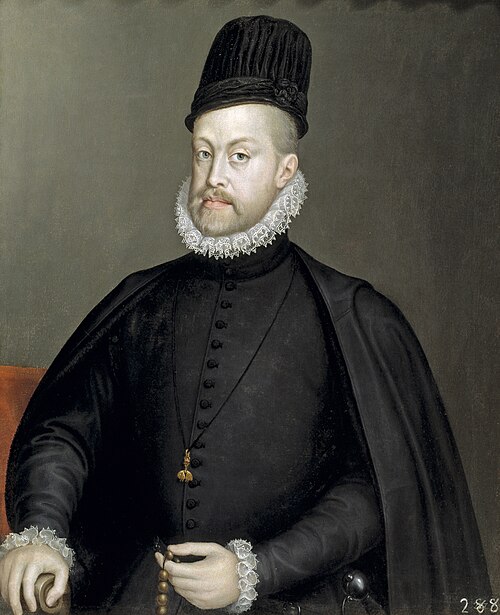
Philip II of Spain
83Philip II was the king of Spain who ruled the first global empire "on which the sun never set", a devout and powerful monarch whose reign marked the height of Spanish power, the defense of Catholicism, and the famous defeat of the Spanish Armada.
Why Also a king & ruler · Comparable historical impact

Abu'l-Fath Jalal-ud-din Muhammad Akbar
88Akbar was the third Mughal emperor, who expanded the empire across much of the Indian subcontinent and is remembered for his administrative reforms, religious tolerance and patronage of the arts during a long and powerful reign.
Why Also a ruler & military leader · Comparable historical impact

Attila the Hun
80Attila the Hun was the fearsome ruler of the Hunnic Empire who terrorized the late Roman world in the 5th century, leading devastating invasions across Europe that earned him the name the "Scourge of God".
Why Also a king & military leader · Comparable historical impact

Babur
81Babur was the Central Asian conqueror who founded the Mughal Empire, a descendant of Tamerlane and Genghis Khan who, after losing his ancestral lands, invaded India and established one of the greatest empires in its history.
Why Also a military leader & ruler · Comparable historical impact

Boudicca
80Boudicca was the queen of the Iceni tribe who led a major uprising against Roman rule in Britain around 60–61 CE, sacking Camulodunum, Londinium, and Verulamium before being defeated by the Roman governor Paulinus.
Why Also a military leader & ruler · Comparable historical impact

Chandragupta Maurya
85Chandragupta Maurya was the founder of the Maurya Empire, who united most of the Indian subcontinent for the first time and established one of the ancient world's great states.
Why Also a ruler & military leader · Comparable historical impact

Charles Martel
81Charles Martel was the Frankish military leader who halted the Muslim advance into Western Europe at the Battle of Tours in 732, laying the foundations of the Carolingian dynasty that his grandson Charlemagne would raise to empire.
Why Also a military leader & ruler · Comparable historical impact

Constantine the Great
87Constantine the Great was the Roman emperor who became the first to embrace Christianity, ended its persecution, and founded Constantinople as a new capital — decisions that reshaped the Roman world and the future of Europe.
Why Also a ruler & military leader · Comparable historical impact

El Cid
81El Cid was the Castilian knight and military leader who conquered Valencia and held it as an independent principality, becoming the greatest hero of medieval Spain and the subject of the earliest Spanish epic poem.
Why Also a military leader & ruler · Comparable historical impact