Historical Period · c. 1600 BC – 220 AD
Ancient China
Ancient China was one of the world's earliest and most enduring civilizations, the cradle of Confucianism, Daoism and Legalism and of innovations from writing and bronze-casting to the unified empire.
Key Takeaways
- Ancient China was the birthplace of Confucianism, Daoism and Legalism.
- The Zhou-era "Hundred Schools of Thought" was one of history's great philosophical flowerings.
- Qin Shi Huang unified the warring states into the first Chinese empire in 221 BC.
- Chinese inventions and bureaucratic statecraft influenced all of East Asia.
- Span
- c. 1600 BC – 220 AD
- Key dynasties
- Zhou, Qin, Han
- Defining ideas
- Confucianism, Daoism, Legalism
From the Zhou dynasty's "Hundred Schools of Thought" through the warring states and the first unification under the Qin, ancient China produced philosophies, statecraft and technologies that shaped East Asia for two millennia.
Ancient China was one of the longest-lived civilizations in human history. During the long Zhou dynasty, political fragmentation paradoxically produced an explosion of ideas known as the Hundred Schools of Thought, from which Confucianism, Daoism and Legalism all emerged.
These rival philosophies offered competing answers to a single urgent question: how should society be ordered amid the chaos of the Warring States? Confucius preached virtue and ritual, Laozi counseled harmony with the natural Way, and the Legalists demanded strict law.
The debate was settled by force when Qin Shi Huang unified the warring kingdoms into the first Chinese empire in 221 BC — standardizing writing, weights and currency and laying the administrative foundation that every later Chinese dynasty would inherit.
Key Events
- The Zhou dynasty and the Hundred Schools of Thought
- The Warring States period
- The unification of China under the Qin (221 BC)
Major Ideas
- Confucian ethics and the well-ordered society
- The Daoist Way (Dao)
- Legalist statecraft
Major Inventions
- Standardized writing and currency
- Large-scale bronze metallurgy
Important Figures of Ancient China

Confucius
97Confucius was a Chinese philosopher and teacher whose ideas on ethics, family and good government became the foundation of Confucianism and shaped East Asian civilization for over two thousand years.

Laozi
93Laozi was a semi-legendary ancient Chinese philosopher traditionally regarded as the founder of Daoism and the author of the Tao Te Ching, the foundational text on living in harmony with the Dao.
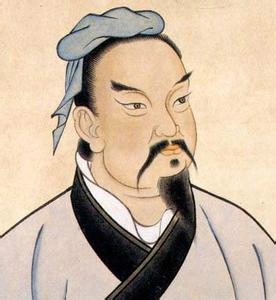
Sun Tzu
90Sun Tzu was an ancient Chinese general and strategist, traditionally the author of The Art of War, the most influential treatise on strategy ever written.

Qin Shi Huang
92Qin Shi Huang was the founder of the Qin dynasty and the first emperor of a unified China, who standardized the state, began the Great Wall, and built the Terracotta Army.
Confucius
97Confucius was a Chinese philosopher and teacher whose ideas on ethics, family and good government became the foundation of Confucianism and shaped East Asian civilization for over two thousand years.
Laozi
93Laozi was a semi-legendary ancient Chinese philosopher traditionally regarded as the founder of Daoism and the author of the Tao Te Ching, the foundational text on living in harmony with the Dao.
Qin Shi Huang
92Qin Shi Huang was the founder of the Qin dynasty and the first emperor of a unified China, who standardized the state, began the Great Wall, and built the Terracotta Army.
Sun Tzu
90Sun Tzu was an ancient Chinese general and strategist, traditionally the author of The Art of War, the most influential treatise on strategy ever written.
Frequently Asked Questions
What is Ancient China known for?
Ancient China is known for founding Confucianism, Daoism and Legalism, for the first unified Chinese empire under Qin Shi Huang, and for innovations in writing, bronze and statecraft.
What were the Hundred Schools of Thought?
They were the competing philosophical movements — including Confucianism, Daoism and Legalism — that flourished during the late Zhou dynasty and Warring States period.