Statesman · 1858 – 1919
Theodore Roosevelt
Key Takeaways
- Roosevelt was the 26th President of the United States.
- He was a champion of conservation, protecting vast lands as national parks and forests.
- He won the Nobel Peace Prize for mediating the end of the Russo-Japanese War.
- He wrote around forty books on history, nature, politics and exploration.
Theodore Roosevelt is remembered as a president, a soldier and the man who saved America’s wild places — but he was also one of the most prolific authors ever to occupy high office, writing some forty books between his many other careers.
A pen as busy as his life
Roosevelt published his first book, a respected naval history, while still in his twenties, and never stopped. He wrote multi-volume histories of the American frontier, books on hunting and natural history, political essays, and a vivid account of a near-fatal expedition through the Amazon. Few people have packed as much writing into so active a life.
President and conservationist
As the 26th president of the United States, Roosevelt battled monopolies, protected millions of acres as national parks and forests, and won the Nobel Peace Prize. Like Thomas Jefferson before him and Winston Churchill after, this statesman of the modern era proved that a writer’s mind and a man of action could be one and the same.
Influence
Roosevelt redefined the American presidency and the conservation movement, while proving that a man of action could also be a serious and prolific writer.
Legacy
His face is carved on Mount Rushmore, and his books and conservation legacy endure more than a century later.
Major Works
- The Naval War of 1812
- The Winning of the West
- Through the Brazilian Wilderness
Connections
Frequently Asked Questions
Who was Theodore Roosevelt?
Theodore Roosevelt (1858–1919) was the 26th U.S. President, a reformer and conservationist, Nobel Peace laureate, and the author of around forty books.
What did Theodore Roosevelt write about?
He wrote on naval and frontier history, hunting and natural history, politics, and his own expeditions, including a journey through the Amazon.
Citations & Sources
People Like Theodore

Thomas Jefferson
88Thomas Jefferson was an American statesman, the principal author of the Declaration of Independence and third President of the United States, who was also a prolific writer, architect and scholar whose Notes on the State of Virginia was a landmark of early American letters.
Why An earlier president who was likewise a serious author as well as a statesman.

Winston Churchill
90Winston Churchill was the British statesman who led the United Kingdom to victory in World War II — and a prolific historian and writer whose books and speeches won him the Nobel Prize in Literature, a rare honour for a man of action.
Why Another statesman of the era who wrote prolifically and won a Nobel Prize in part for his writing.

Charles Darwin
96Charles Darwin was an English naturalist whose theory of evolution by natural selection became the unifying foundation of modern biology and transformed humanity's understanding of life.
Why A naturalist whose work shaped the scientific spirit of Roosevelt's writings on wildlife.

Abraham Lincoln
92Abraham Lincoln was the 16th President of the United States, who led the nation through its Civil War, preserved the Union, and abolished slavery before his assassination in 1865.
Why Also a president & statesman · Active in the same era
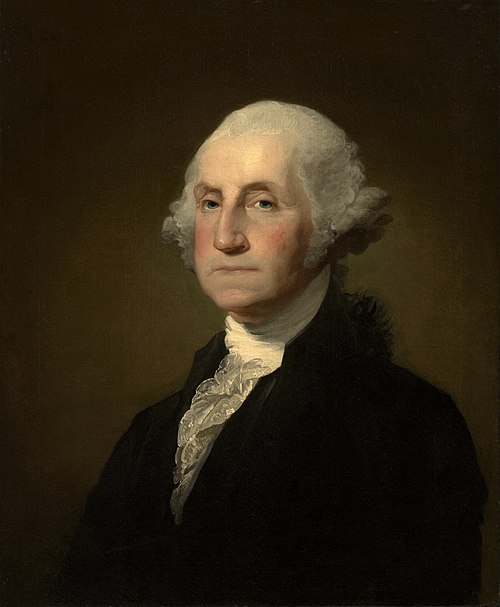
George Washington
91George Washington was the commander of the Continental Army in the American Revolution and the first President of the United States, whose leadership and restraint shaped the new republic.
Why Also a statesman & president · Active in the same era

Benjamin Franklin
90Benjamin Franklin was an American polymath — a founding father, scientist, inventor, writer and diplomat — whose work on electricity and statesmanship made him one of the most admired figures of the 18th century.
Why Also a statesman & writer · From the same civilization